

Incorporating reclaimed wood in Construction Projects
reclaimed wood refers to timber that has been salvaged from previous structures or unused materials. This approach to sourcing materials holds significant value in sustainable construction. By reusing wood, builders reduce the need for new lumber, thus minimizing deforestation and environmental impact. Such practices play a crucial role in promoting a greener planet.
Utilizing recycled wood comes with numerous benefits. For one, artists and builders can create stunning features in homes with unique textures and characteristics. Each piece tells a story, often adding charm and character that new wood simply cannot replicate. This eco-friendly material is not just aesthetically pleasing; it can also lead to cost savings. Sourcing timber from demolition sites or refurbishing older buildings can decrease overall expenses.
Incorporating this type of timber into building projects highlights the importance of eco-conscious decision-making. Every renovation or new build presents an opportunity to choose materials that support sustainability. Embracing reclaimed wood in interior design not only enhances beauty but also reflects a commitment to environmentally responsible practices. Whether used in flooring, furniture, or decorative fixtures, it can elevate the quality of any project.
As communities seek to reduce their carbon footprint, woodworking and carpentry with reclaimed materials have become essential in the home improvement industry. This choice signifies a step toward green building standards that prioritize waste reduction. Ultimately, the integration of salvaged wood into crafting endeavors fosters a culture of sustainability that resonates with many homeowners and builders alike.
Understanding Reclaimed Wood
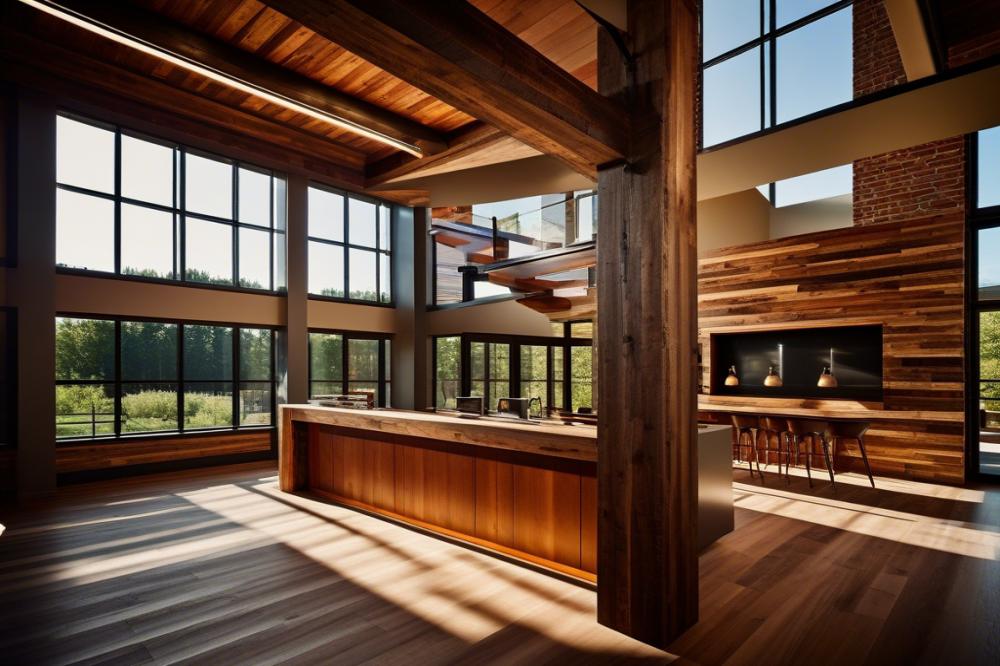
Reclaimed wood refers to timber salvaged from old structures. This include uses from dismantled buildings, barns, and even repurposed furniture. When it comes to construction projects, this type of wood has gained popularity as an eco-friendly material.
Sources of Reclaimed Wood
Many sources provide reclaimed timber. Antique homes often yield beautiful wood, rich with history. Old barns, particularly those made from sturdy species like oak, can also be disassembled to retrieve quality materials. Furniture from past decades frequently gets a second life in new woodworking endeavors. Consider checking for local sources or auctions to find potential treasure.
Reclaimed Wood vs. New Lumber
New lumber stands in stark contrast to recycled wood. While traditional timber comes from newly cut trees, reclaimed options promote sustainable practices. Using recycled materials reduces waste and minimizes the environmental impact of building projects. In the context of green building, reclaimed timber enhances the appeal of a structure while serving as a conversation starter.
Wood from older structures often carries a character and charm absent in freshly milled products. Unique grain patterns and rich colors can enhance any interior design scheme. Additionally, reclaimed wood tends to be more durable, given that it has already weathered time and varied conditions. For both carpentry and home improvement enthusiasts, working with this material allows for creative expression through crafting.
Ultimately, choosing reclaimed wood can transform renovation projects in unexpected ways. Its history adds depth to spaces, making them feel warm and inviting. Furthermore, it reflects a commitment to sustainability, which resonates with many consumers today.
Benefits of Using Reclaimed Wood

Choosing materials wisely can make a big difference in construction projects. One major advantage is the positive environmental impact. Using recycled wood plays a significant role in reducing deforestation. This approach also minimizes waste by giving old materials a new life. Rather than cutting down fresh trees, carpentry projects get a much-needed alternative.
Another benefit lies in the aesthetics. Wood that has been previously used carries a character that new timber often lacks. Its history adds a distinct charm to interior design. Every piece tells a story and brings warmth to spaces. That uniqueness can create inviting atmospheres in homes or offices. Designers frequently look to incorporate these elements in various renovation projects.
Durability is also a key point to consider. Aged wood is usually stronger than modern replacements. Years of exposure to elements can actually enhance its resilience. This quality often translates into long-lasting structures that withstand the test of time. Many builders appreciate the reliability that comes with older materials, making them fit for any construction endeavor.
Additionally, using reclaimed materials contributes to green building practices. It aligns with eco-friendly materials in the market today. This choice reflects a commitment to sustainability and can earn projects certifications. Consideration for the environment is increasingly important in home improvement strategies. Builders and homeowners alike see this as an essential part of their mission.
Incorporating Reclaimed Wood in Construction Projects
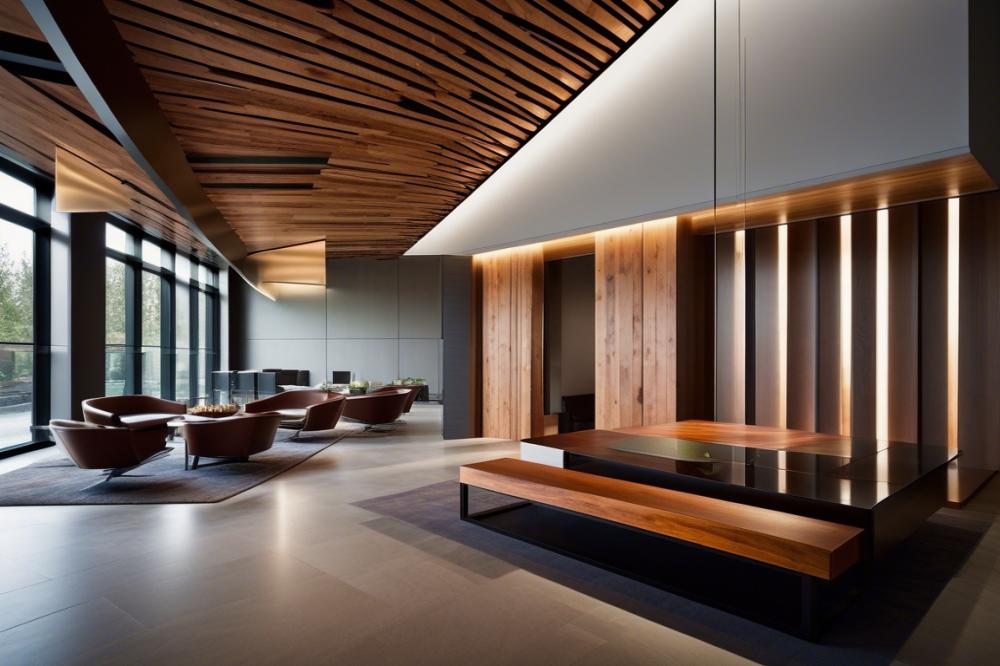
Techniques for Sourcing Reclaimed Wood for Building Projects
Finding recycled wood can be a rewarding experience. Start by exploring local salvage yards and demolition sites. Many of these places have wood that can be repurposed. Online marketplaces are another option. Websites dedicated to eco-friendly materials often list reclaimed timber. Networking with contractors can also yield leads. Often, they know where to find surplus materials. Community events focused on sustainability may have vendors who sell reused wood. Building relationships with local businesses can open doors to more choices.
Guidelines for Evaluating the Quality of Reclaimed Materials
Assessing the quality of recycled wood is essential for any home improvement project. Start by inspecting the wood for damage. Look out for signs of rot, insect infestation, or warping. Consider the age of the wood; older materials often have better character. You’ll want to check for stability as well. Functional integrity is crucial for long-lasting results. Measure twice and cut once. This old carpentry mantra applies here too. It’s wise to acquire samples for testing before finalizing any purchase.
Tips for Safe and Effective Woodworking with Reclaimed Wood
Working with reclaimed timber requires specific attention to safety. First, always wear protective gear. Dust masks, safety goggles, and gloves are essential. Some old wood may contain lead paint or other harmful materials. Proper sanding and finishing can help mitigate risks. Keep your workspace organized while crafting. This reduces hazards during your building projects. Use the right tools designed for the job. Some species of wood may be harder or denser, affecting your tools’ performance. If you’re new to woodworking, consider starting with simple projects to build confidence.
Creative Applications in Renovation and Interiors
In home improvement, the use of recycled wood can add character and charm. Many homeowners are now exploring various ways to implement this material in their projects. From flooring to decorative accents, its versatility offers countless possibilities for creativity.
Ideas for Using Recycled Wood
Consider incorporating reclaimed wood into your renovation plans. Wood flooring remains a popular choice due to its warmth and durability. Many people appreciate the natural patterns and textures these materials provide. Beams can enhance ceilings, creating an inviting atmosphere that feels both rustic and sophisticated.
Furniture crafted from repurposed timber can also serve as focal points in any room. Tables, chairs, and shelves made from this eco-friendly material stand out in both contemporary and traditional settings. Smaller decor items, like picture frames or candle holders, can be great additions as well. Every piece tells a story, adding depth to interior design.
Popular Applications and Styles
In recent years, the trend of integrating wood into various building projects has gained momentum. Whether you opt for a clean-lined modern aesthetic or a cozy farmhouse vibe, this material fits right in. Its appearance often blends seamlessly with other elements. Carpentry professionals enjoy the challenge of working with different textures and grains.
The balance between contemporary and rustic styles can pleasantly surprise anyone who enters. Using recycled wood in a sleek, minimalist design may create a striking juxtaposition. Conversely, crafting traditional furniture from refurbished timber can bring a sense of history into a space. The options are plentiful and can suit a variety of tastes.
The Role of Wood in Green Building
Choosing eco-friendly materials is becoming increasingly important in construction. Utilizing recycled wood supports sustainable practices and reduces waste. As homeowners seek to create more environmentally conscious spaces, these materials have become an essential choice in the world of home improvement. Renovating with these resources doesn’t just benefit the environment; it also offers a unique aesthetic that can set a home apart.
In conclusion, the way we think about building projects continues to evolve. The innovative use of materials leads to exciting transformations. With woodworking skills and a vision for creating stunning interiors, anyone can incorporate this exquisite resource into their home.
Challenges and Considerations
Using reclaimed wood in construction can come with some challenges. First, the cost may be higher than traditional materials. This often surprises those new to woodworking or interior design. Finding a reliable source for recycled wood can also be tricky. Availability may vary greatly depending on location and demand for eco-friendly materials.
Treatment and preservation of the material is another key factor. When working on renovation or building projects, understanding how to prepare reclaimed wood is essential. These materials must be inspected for pests or decay before use. Proper sealing and finishing are vital to maintain durability over time. Home improvement projects need to ensure that the wood remains safe and usable.
Building codes and regulations can pose additional hurdles. Many areas have specific guidelines regarding recycled wood. It’s important to check local legislation before starting a carpentry project. Adhering to these rules will help avoid costly delays or rework. Knowledge about what is allowed can save time and effort in crafting and construction.
One should not overlook the environmental impact of using sustainable resources. Selecting reclaimed wood can contribute to green building practices. The benefits extend beyond aesthetics, making it a wise choice for many builders. Whether for a new deck or an indoor feature wall, every consideration counts in the project.
Embracing Sustainability in Construction
Incorporating reclaimed wood in construction projects carries significant benefits. It not only showcases the timeless charm of natural materials but also aids in reducing waste. Such practices contribute greatly to sustainability. Many builders and designers recognize the importance of using eco-friendly materials in today’s construction landscape.
Adopting these practices helps preserve precious natural resources. When structures are built with reclaimed materials, it lessens the demand for new lumber and minimizes deforestation. Unique textures and histories often found in reclaimed wood resonate with many homeowners. Each piece tells a story, adding character to any space.
As more individuals become aware of environmental impacts, the construction industry must adapt. Woodworking with sustainable resources opens new avenues for creativity while supporting eco-conscious goals. It is essential for builders, designers, and homeowners alike to take a stand.
Evaluate your next project through the lens of sustainability. Consider the benefits of using reclaimed wood and join the movement towards responsible building practices. Together, let’s embrace the potential for a greener future in construction.


