
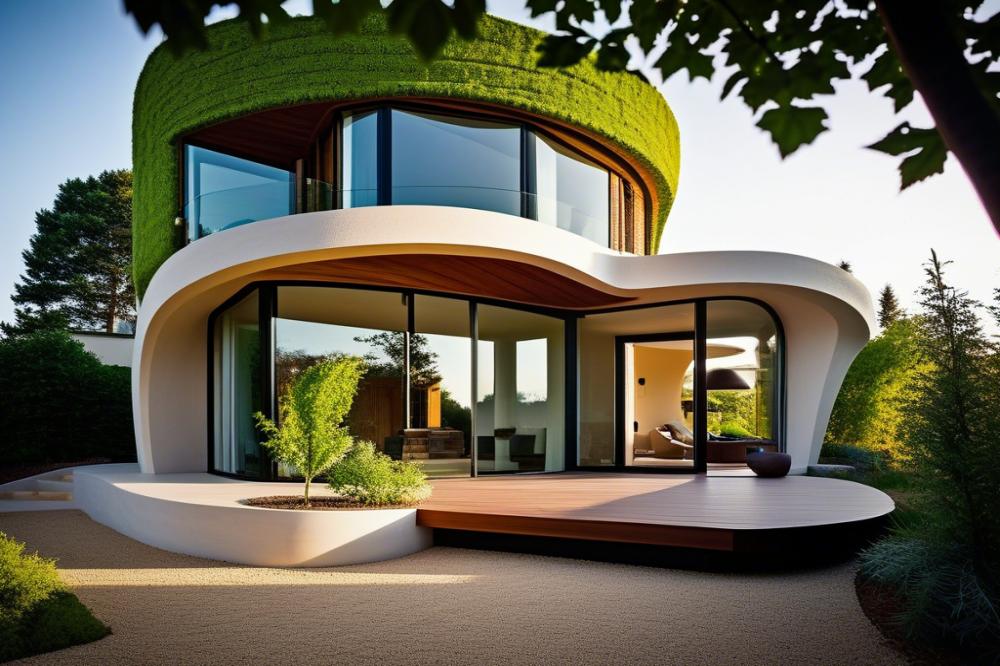
The Role of Hempcrete in Modern Sustainable Architecture
Sustainable Architecture focuses on creating structures that are environmentally responsible and resource-efficient. This approach has gained momentum as awareness grows about climate change and the impact of traditional construction methods. Builders and architects are now more committed to reducing the environmental footprint of their projects. Using renewable materials plays a significant role in this effort. Sustainable construction practices emphasize materials that are both eco-friendly and biodegradable.
One remarkable material gaining popularity in recent years is Hempcrete. Made from hemp fibers and lime, it reflects the principles of green building. Not only is it lightweight and versatile, but it also offers excellent insulation properties. Structures built with this natural building material can maintain a comfortable temperature without consuming excessive energy for heating or cooling. Such energy efficiency is crucial for reducing the overall impact on the planet.
Embracing renewable materials in construction contributes to carbon sequestration, meaning they help capture and store carbon dioxide. This is vital for combating the effects of climate change. Buildings designed with sustainability in mind not only accommodate modern needs but also foster a healthier environment. Incorporating materials like Hempcrete into eco-friendly building practices signals a commitment to preserving resources for future generations. As we navigate the challenges of today, sustainable architecture presents a promising path toward a resilient future.
Understanding Hempcrete
Definition and Composition of Hempcrete
Hempcrete serves as a natural building material made from the woody core of the hemp plant mixed with lime. This mixture forms a lightweight, solid material. Unlike traditional concrete, which relies on cement, this alternative prioritizes sustainability. Renowned for its biodegradable properties, it breaks down over time without leaving harmful residues. The combination of hemp and lime creates a material that excels in insulation and moisture regulation, making it a smart choice for modern architecture.
Comparison to Traditional Building Materials
When comparing this material to more conventional options like concrete or brick, significant differences arise. Traditional materials can have a considerable carbon footprint. In contrast, hemp fosters remarkable carbon sequestration. Not only does it reduce greenhouse gases, but it also contributes to a low carbon footprint. Furthermore, sustainable construction practices benefit from using renewable materials instead of finite resources. Homeowners and builders looking for eco-friendly building solutions will find hemp a compelling choice.
Benefits of Using Hempcrete in Construction
Using this natural building material offers multiple advantages. Energy efficiency stands out as a critical benefit, offering substantial savings over time. Structures built with hemp provide excellent insulation, ensuring warmth in the winter and coolness in the summer. Moisture management also improves, reducing the risk of mold growth.
Additionally, it supports green building initiatives by enhancing indoor air quality and reducing reliance on synthetic materials. Its light weight simplifies construction processes, making it easier for workers to handle. Cost-effectiveness can be found in reduced energy bills and fewer maintenance needs. Ultimately, embracing hemp in building projects signifies a commitment to sustainable practices and environmental responsibility.
Insulation and Energy Efficiency
Hempcrete is a natural building material that offers impressive thermal performance. Its structure allows it to retain heat during cold months while keeping buildings cool in the summer. This temperature regulation plays a crucial role in the energy efficiency of eco-friendly buildings.
Using hemp as an insulation component helps reduce reliance on conventional materials. These alternatives often contribute to high energy costs. By integrating hemp in construction, we can support renewable materials that are both sustainable and effective in maintaining comfortable indoor climates.
Homes built with this innovative material can see significant savings on heating and cooling bills. Since it naturally traps air, it functions as an excellent barrier against temperature fluctuations. This capability benefits homeowners by lowering energy expenses while contributing to a low carbon footprint.
Additionally, hempcrete contributes to carbon sequestration. During its lifecycle, it absorbs CO2, making it not just a building material but a tool for fighting climate change. When used alongside other natural building materials, the overall impact on the environment can be profound.
Modern sustainable construction often embraces this material for its eco-friendly attributes. The integration of hemp in design not only promotes energy efficiency but also showcases innovative practices in green building. Ultimately, employing hempcrete leads to more eco-conscious homes and a healthier planet.
Biodegradability and Environmental Impact
The biodegradable nature of hempcrete offers a refreshing contrast to traditional building materials. Being made from hemp hurds and lime, it breaks down naturally over time. This means it does not linger in landfills for decades, unlike concrete or plastics, which can take centuries to decompose. As a result, choosing natural building materials like this can markedly reduce the environmental strain of construction waste.
In comparison to non-biodegradable options, such as fiberglass or polystyrene, the eco-friendly building material stands out. While those synthetic materials can cause serious harm to ecosystems, hempcrete nurtures the Earth. This ability to decay into harmless substances when left to nature marks a significant advancement in sustainable construction practices.
Role in Carbon Sequestration
Also noteworthy is its role in carbon sequestration. Hemp as a crop absorbs high levels of carbon dioxide during its growth. This process contributes to a lower carbon footprint for buildings made with hemp-based products. When the material is used in construction, it effectively stores the carbon it captured during its life cycle. This aspect aligns perfectly with the principles of green building and energy efficiency.
Many architects and builders recognize the importance of adopting renewable materials. Utilizing such resources not only benefits individual projects but supports wider environmental goals. Modern sustainable architecture can thrive when professionals embrace these principles, leading to cleaner air and healthier surroundings.
The energy efficiency of buildings constructed with this material also adds to its appeal. As insulation, it helps keep homes warm in winter and cool in summer. This lowers energy consumption for heating and cooling. By reducing the reliance on fossil fuels, the overall environmental impact is further minimized, creating a win-win situation for both homeowners and the planet.
Integration in Sustainable Construction Practices
Hempcrete plays a key role in modern sustainable building techniques. This material is composed of hemp shiv and a lime-based binder, making it not only biodegradable but also a champion of insulation. Architects and builders are increasingly drawn to eco-friendly building solutions that prioritize renewable materials. Consequently, using hemp-derived products helps lower the carbon footprint of new structures.
Successful examples of this innovation can be seen across various projects around the globe. In the UK, the Hemp House showcases how this natural building material contributes to energy efficiency. Its walls offer impressive thermal performance, reducing the need for heating in winter. Meanwhile, in Australia, the Desert Plant House serves as another powerful example. It integrates hemp-based systems to maintain a comfortable interior climate while using minimal energy.
Regulations and certifications also play a significant role in supporting green building practices. Organizations such as LEED and BREEAM encourage the use of sustainable materials in construction. These systems evaluate the environmental impact of buildings, providing guidelines that promote eco-friendly practices. As hemp-based products gain recognition, they increasingly meet these standards, making it easier for builders to choose them. The future of construction looks brighter with the adoption of innovative materials, including those derived from hemp.
Challenges and Future of Hempcrete
Limitations of Using Hempcrete in Construction
When considering this innovative material, it’s important to acknowledge some drawbacks. First, it is not load-bearing. Builders must combine it with more traditional materials to create a complete structure. The curing time can also be a concern. Projects may take longer due to the drying process, which can lead to delays.
Another challenge is the availability of raw materials. Growing hemp requires specific conditions, and not all regions can support its cultivation. Additionally, while this product is eco-friendly, it may still be more expensive than conventional options. This could deter some builders focused on keeping costs low. Lastly, some regions face legal restrictions around hemp cultivation, making logistics even more complex.
Ongoing Research and Innovations in Hempcrete Applications
Scientists and architects continue to explore new uses for this natural product. Recent studies highlight its insulation capabilities. Research shows that structures using it can greatly improve energy efficiency. Some are studying how variations in blend ratios can enhance its properties further. Innovations like mixing it with other renewable materials are on the rise. This can optimize its performance and versatility, making it even more appealing for modern building methods.
New technologies are also emerging. For instance, enhancing its fire resistance and durability could open doors to broader applications. Collaboration between industries can lead to inventive solutions. Many architects are now integrating this material into cutting-edge designs, demonstrating its aesthetic appeal alongside its utility.
Future Prospects for Hempcrete in the Context of Global Sustainability Goals
Looking ahead, this biodegradable solution holds promise in the fight against climate change. Its ability to sequester carbon is significant. By capturing more CO2 than it emits, it supports overall sustainability goals. As more countries commit to reducing their carbon footprints, demand for such materials is likely to grow.
Moreover, the green building movement is gaining momentum. Designers are increasingly prioritizing eco-friendly options in construction. Public awareness of sustainable practices continues to rise, and hemp-based solutions fit perfectly into this narrative. Future building codes may even encourage the use of natural building materials, including in various construction projects.
Lastly, collaboration between governments and the construction sector can accelerate widespread adoption. By establishing supportive policies, we can drive innovation. As a result, expectations for environmentally responsible buildings will rise, and the future looks bright for this unique construction option.
Final Thoughts on Hempcrete’s Role in Sustainable Architecture
Hempcrete offers numerous advantages for modern architecture. This building material provides excellent thermal insulation, helping to keep homes comfortable year-round. It is not only strong and lightweight but also has the ability to absorb excess moisture. Such properties contribute to healthier indoor environments, which is a significant bonus for occupants.
In addition to its functional benefits, using biodegradable materials like this one supports eco-friendly construction practices. Reducing the reliance on synthetic materials is crucial for minimizing waste and environmental impact. Furthermore, regenerative farming practices associated with hemp cultivation contribute to soil health. That helps in combating climate change while promoting sustainability in the built environment.
The move towards integrating natural building materials is essential for a more sustainable future. Architects and builders have the opportunity to innovate and create structures that are not only functional but also environmentally friendly. As awareness grows about the importance of sustainable practices, more professionals in the industry are likely to adopt new materials. The culmination of these efforts can lead to a significant positive shift in how we construct our homes and public spaces.
In summary, embracing alternatives like this can reshape architecture for generations to come. The unique qualities they bring are vital for addressing modern challenges. Building a greener future starts with choices we make today. Let’s encourage the use of natural materials in our buildings and take a step toward sustainability.


