

Overview of the Black Sea Region
The Black Sea region sits at the crossroads of Europe and Asia. It is bordered by six countries: Romania, Bulgaria, Turkey, Ukraine, Russia, and Georgia. This area has a rich history and diverse cultures. The sea itself is unique, hosting various marine life and habitats. To the north, the Dniester and Dnieper rivers flow into the Black Sea, bringing with them essential nutrients that support aquatic ecosystems. The region has also been shaped by human activities over the centuries, contributing to its ecological challenges.
Importance of Wetlands in Eastern Europe
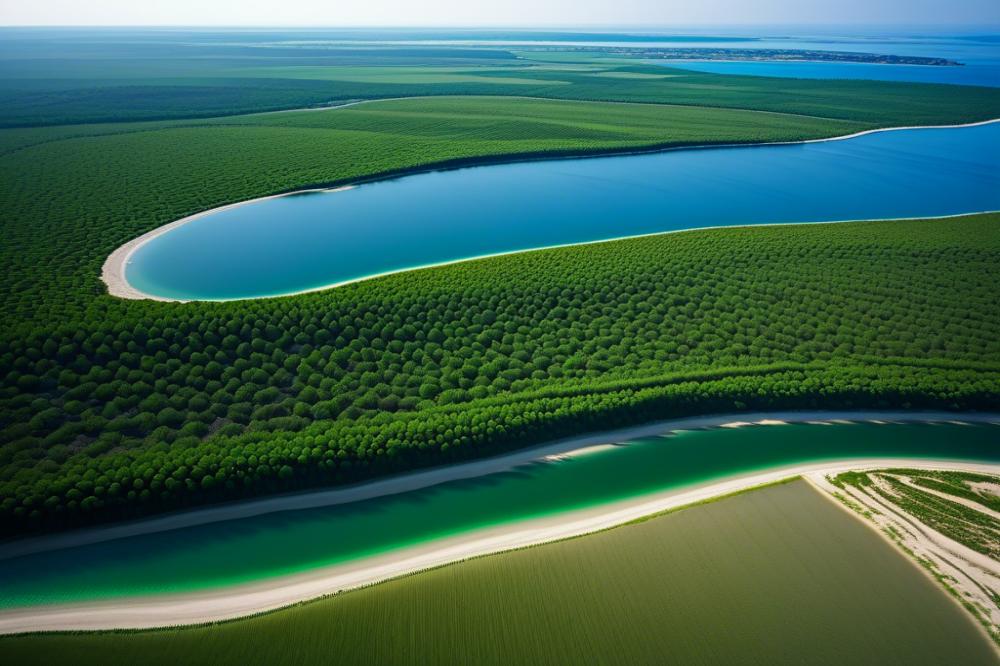
Wetlands play a critical role in Eastern Europe’s environment. They provide essential services like water purification, flood control, and carbon storage. These areas are vital for maintaining biodiversity as they serve as crucial habitats for countless species. Sadly, habitat loss has threatened these ecosystems significantly. Agricultural expansion and urban development have caused severe degradation. As a result, many species are at risk, and the ecological balance is in jeopardy. The effects of climate change further complicate these issues, making wetland conservation imperative.
Purpose of the Article
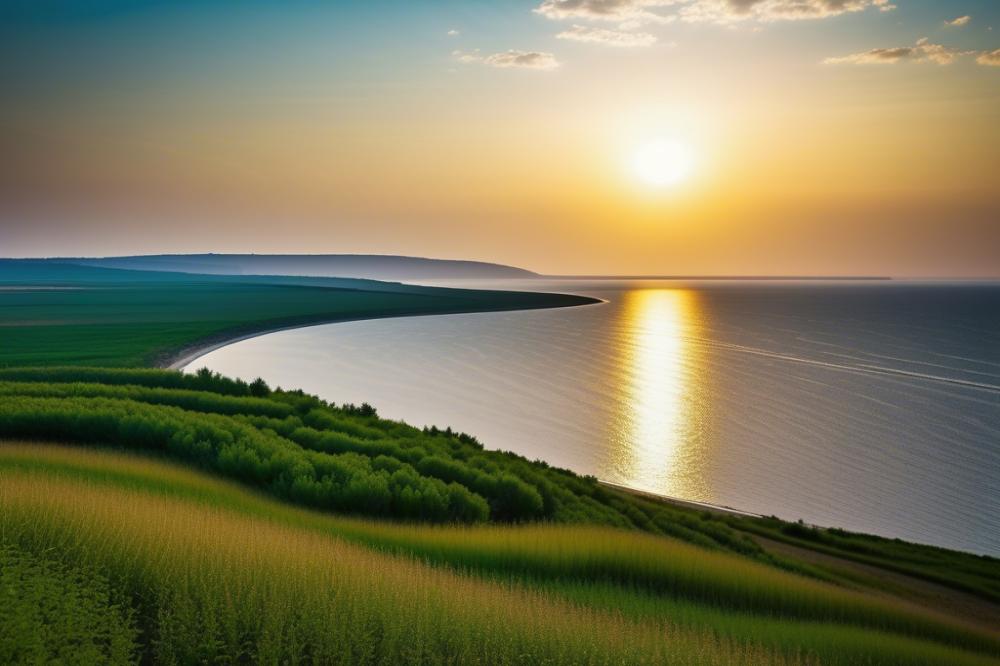
This article explores the ongoing Black Sea Wetland Restoration efforts aimed at revitalizing Coastal Ecosystems. The restoration of wetlands is essential for ecological stability. Various initiatives are underway to combat the degradation caused by human activities and climate challenges. Effective wetland management is key to sustainable development in the region. By highlighting these efforts, we can shed light on the importance of environmental conservation. Working together, communities can protect and restore these vital habitats for future generations.
The Black Sea Wetland Restoration
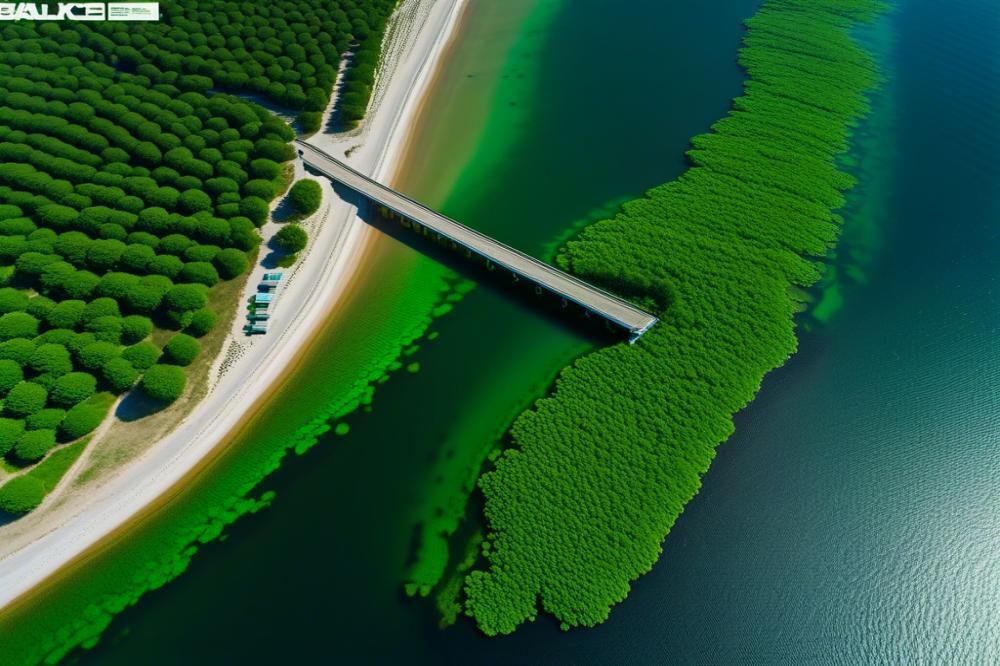
Definition and significance of wetland restoration
Wetland restoration involves returning degraded wetlands to their natural state. These habitats play a crucial role in maintaining ecological balance. They support diverse marine life and act as important filters for water. Healthy wetlands enhance biodiversity, providing a home for numerous species. Restoration efforts can also help combat climate change by sequestering carbon. The revival of these ecosystems encourages sustainable development in surrounding communities. They provide resources such as fishing grounds and recreational areas, benefiting local economies.
Current state of the Black Sea wetlands
The Black Sea region boasts unique wetlands that are vital to Eastern Europe’s environment. Unfortunately, many of these areas face significant threats. Pollution and unsustainable agricultural practices have degraded the wetlands. Overfishing and urban expansion put additional pressure on these habitats. Surprisingly, many people remain unaware of the wetlands’ importance. Recent assessments reveal alarming declines in both quality and quantity of wetland spaces. Efforts for ecosystem restoration are gaining momentum, but much work remains ahead.
Factors contributing to habitat loss
Several factors have led to the loss of wetlands in the Black Sea region. Climate change remains a primary concern. Increased temperatures and altered precipitation patterns disrupt these ecosystems. Urban development often encroaches on the delicate habitats, leading to further degradation. Industrialization has contributed significantly to pollution, which harms aquatic life. Invasive species threaten native biodiversity by outcompeting local flora and fauna. Collectively, these issues create a challenging landscape for wetland management. Without immediate intervention, the ecological consequences could be dire for both the environment and local communities.
Biodiversity and Ecosystem Services
Wetlands play a critical role in supporting biodiversity. They house a rich variety of plants and animals, creating a vibrant ecosystem. These areas serve as crucial habitats for many species, some of which are rare or endangered. Without wetlands, numerous species would face severe threats or extinction.
In the Black Sea wetlands, a number of key species thrive. Birds such as herons, egrets, and migratory ducks nest and feed in these waters. Fish like mullet and trout also call these habitats home. Additionally, unique plants, like reed and bulrush, contribute to the area’s ecological balance. Through diverse life forms, wetlands maintain a delicate web of interactions that supports the entire ecosystem.
Coastal Ecosystems provide vital ecosystem services. They filter pollutants from water, improving overall water quality. Wetlands also act as natural buffers, protecting shorelines from erosion. By absorbing excess rainwater, they reduce flooding. Furthermore, these habitats offer recreational opportunities, which can benefit local economies through tourism.
Environmental conservation efforts focus on restoring damaged wetlands. Climate change and habitat loss have put immense pressure on these areas for years. Therefore, sustainable development practices are essential in reversing the decline. Wetland management strategies can enhance biodiversity while also meeting human needs. Effective restoration can lead to healthier ecosystems that support marine life and local communities.
The services provided by coastal ecosystems are invaluable. They contribute to agricultural productivity by supporting surrounding land systems. Moreover, wetlands store carbon, mitigating some effects of climate change. By maintaining these ecosystems, we ensure a brighter future for both wildlife and people alike.
Impacts of Climate Change
The Black Sea wetlands are facing serious challenges due to climate change. These wetlands play a crucial role in supporting diverse species. Rising sea levels threaten habitats along the coasts of Eastern Europe. Many animals and plants could lose their natural environments if action is not taken.
Changes in temperature and precipitation patterns can lead to habitat loss. Aquatic ecosystems are especially vulnerable to these shifts. Marine life, such as fish and shellfish, depends on stable conditions to thrive. Alterations in salinity levels brought on by rising seas further disrupt these essential habitats.
Wetland management strategies are vital for protecting these ecosystems. One approach focuses on restoring natural water flow to areas that have been altered. Creating buffer zones can help mitigate the impacts of flooding during storms. These buffers can serve as both a defense for the coastline and a habitat for wildlife.
Another strategy involves promoting biodiversity through the reintroduction of native species. This practice can help rebuild the ecological balance that has been upset. Involving local communities in conservation efforts fosters a sense of responsibility and connection. Educational programs can raise awareness about the importance of environmental conservation.
Moreover, sustainable development initiatives aim to harmonize economic and environmental goals. Local fisheries can benefit from healthy wetlands, which produce ample resources. When communities thrive, they are more likely to support conservation efforts. Ensuring that these strategies are effectively implemented is crucial for long-term success.
Sustainable Development and Environmental Conservation
Wetland management plays a crucial role in achieving sustainable development. Restoring these areas helps maintain biodiversity and supports various species. Many communities in Eastern Europe rely on wetlands for resources like fish and clean water. Healthy wetlands can provide economic benefits while also protecting nature.
Integrating conservation practices into local economies is important. When communities realize that preserving ecosystems can create jobs, they become more engaged. For instance, ecotourism can attract visitors to restored wetland areas. This not only boosts local businesses but also raises awareness about the importance of conservation.
Community Involvement in Restoration Projects
Community participation is essential for the success of restoration projects. Local people often have valuable knowledge about their environment and its needs. Engaging them in the process helps build a sense of ownership. When individuals feel connected to their land, they are more likely to care for it.
Restoration efforts can also empower communities. Training residents in sustainable practices encourages long-term ecological balance. Workshops about wetland ecology and restoration techniques create a skilled workforce. This helps address habitat loss caused by climate change and unregulated development.
Volunteers often play a key role in restoring these critical ecosystems. Their commitment, along with local knowledge, can lead to innovative solutions. Collaborative projects can protect marine life and improve overall ecosystem health. Thus, every participant contributes to revitalizing their environment.
Ecological Restoration Initiatives
Several ongoing restoration projects are taking place in the Black Sea region. These initiatives aim to revive coastal ecosystems and address the pressing issue of habitat loss. Notable projects include wetland management efforts in Romania and Bulgaria. These actions focus on restoring the natural functions of wetlands, which play a critical role in supporting biodiversity.
Overview of Ongoing Restoration Projects
Various organizations and governments are collaborating on these restoration efforts. The Ramsar Convention encourages sustainable development practices in wetlands across Eastern Europe. In addition, local communities are becoming more involved in preserving their environments. Stakeholders often take part in assessing the health of wetlands to identify specific needs. This engagement promotes a sense of ownership and responsibility among residents.
Methodologies and Practices in Wetland Restoration
Different methodologies are applied depending on the project’s goals. One common practice includes reintroducing native plant species. These plants help restore ecological balance by improving soil health and water quality. Another approach involves creating artificial wetlands to support marine life. Monitoring and adaptive management are essential components of these practices. By evaluating the effectiveness of restoration efforts, practitioners can adjust strategies as needed.
Success Stories and Challenges Faced
Success stories emerge from these innovative projects. For instance, some areas have seen a notable boost in bird populations due to restored habitats. Increased biodiversity provides a critical buffer against the effects of climate change. However, challenges remain. Pollution, invasive species, and land development continue to threaten these fragile ecosystems. Conservationists face obstacles in securing funding and support for ongoing initiatives. Balancing economic growth with environmental conservation is often difficult. The future of these wetlands relies heavily on collective action and commitment.
Future Directions for Black Sea Wetland Restoration
The continued research and monitoring of the Black Sea wetlands are crucial for their revival. Scientists need to track changes in the ecosystems over time. By collecting data, environmental experts can identify trends and respond to issues that arise. Active observation helps in understanding the impacts of climate change. Monitoring also provides insights into how various species interact within their habitats.
Policy Recommendations for Effective Wetland Management
Policies must prioritize environmental conservation to protect these fragile ecosystems. Governments in Eastern Europe should create strict regulations against habitat loss. Collaboration among countries can lead to better strategies for ecosystem restoration. Local communities should be involved in decision-making processes. Engaging these stakeholders fosters a sense of responsibility and care for their local environments.
Building Resilience in Coastal Ecosystems
Coastal ecosystems need to be built up to withstand various threats. Increasing biodiversity is one way to foster resilience. Diverse species create a more balanced ecosystem, which can adapt to changes more effectively. Additionally, creating protected areas can safeguard crucial habitats. These areas serve as sanctuaries for marine life and can help maintain ecological balance in the long run.
Sustainable development practices must also be implemented. These practices can support local economies without harming the environment. Raising public awareness about the importance of wetlands can lead to broader support. Communities that understand their environment are more likely to protect it. A future that includes thriving wetlands is possible with dedication and action.
Final Thoughts
Restoring the wetlands of the Black Sea is crucial for the health of coastal ecosystems in Eastern Europe. These areas serve as vital habitats for numerous species, creating a rich tapestry of life. Beyond supporting wildlife, the wetlands also play a role in protecting shorelines from erosion and filtering pollutants. Their revival could lead to increased biodiversity, offering numerous benefits to local communities. People depend on these ecosystems for fishing, tourism, and recreation.
Urgent action is needed for conservation efforts in this region. Local governments, organizations, and individuals must come together to support restoration projects. Educating communities about the importance of wetlands can foster deeper connections to nature. Active participation in conservation initiatives can pave the way for long-term success. Every small effort contributes to a much larger dream of ecological balance.
Looking ahead, the future of coastal ecosystems can be bright. With dedicated work, it is possible to create vibrant places where both nature and people thrive. A world rich in biodiversity awaits if we commit to protecting these natural treasures. Every generation has a role in this mission. Together, we can revitalize the Black Sea’s wetlands and ensure a healthier environment for all living creatures.


