
The Lake Chad Shrinking water crisis: Restoring a Lifeline for Millions in Africa
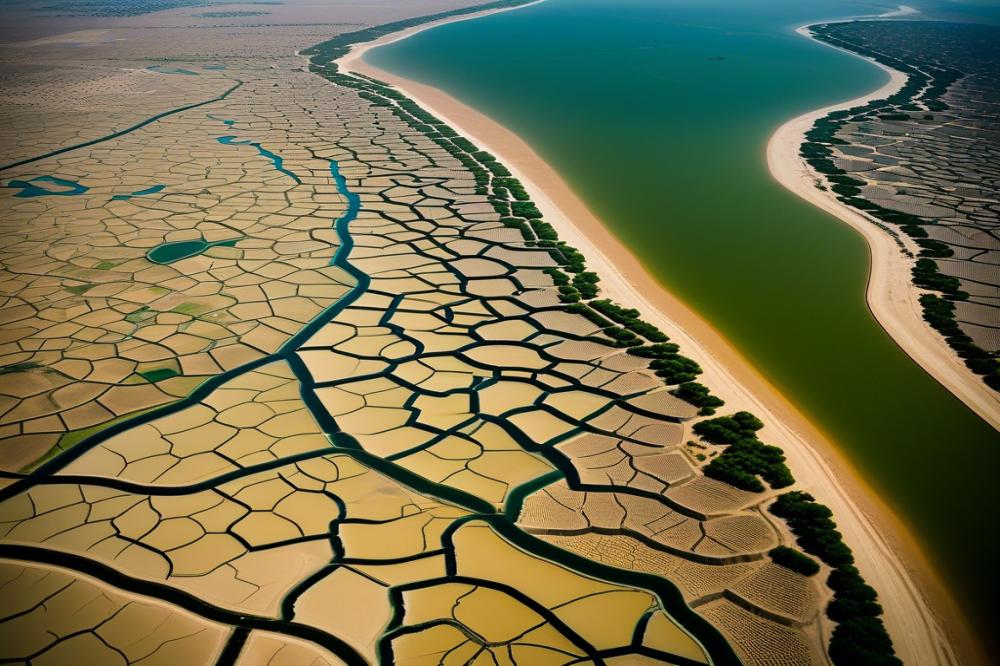
The significance of Lake Chad extends far beyond its borders. This once-massive body of water provided sustenance and economic support to millions. The surrounding communities relied on its resources for fishing, farming, and drinking water. However, the water crisis has drastically altered local realities. As the lake shrinks, it brings dire consequences for those who depend on it. People now face chronic water scarcity, threatening their livelihoods and survival. Many families struggle daily, searching for water sources that no longer exist. This situation leads to increased competition for limited resources, igniting tensions among communities.
Restoration of this vital ecosystem is essential. The decline of Lake Chad has a ripple effect on biodiversity. Fish populations decrease, affecting both local diets and economies. wildlife that depends on this habitat faces threats as well. The loss of biodiversity can have long-term impacts on regional stability, disrupting food chains and ecosystems. Humanitarian efforts aimed at rejuvenating this area are crucial. They can help restore natural resources and protect communities from further environmental degradation. Sustainability plays a key role in these initiatives, providing a path for long-term recovery. Regional cooperation is necessary for these efforts to succeed. Countries surrounding the lake must collaborate to tackle the challenges posed by climate change and overuse.
Supporting the restoration of Lake Chad is vital for more than just the local population. Healthy lakes create stable environments that can sustain life in various forms. A flourishing ecosystem supports not only people but also wildlife, which is crucial for maintaining the balance of nature. Ensuring that this area thrives again can lead to improved livelihoods for everyone involved. In summary, the plight of Lake Chad reveals deeper issues affecting countless lives in Africa. Addressing this water crisis is fundamental to rebuilding a sustainable future for generations to come.
The Lake Chad Water Crisis
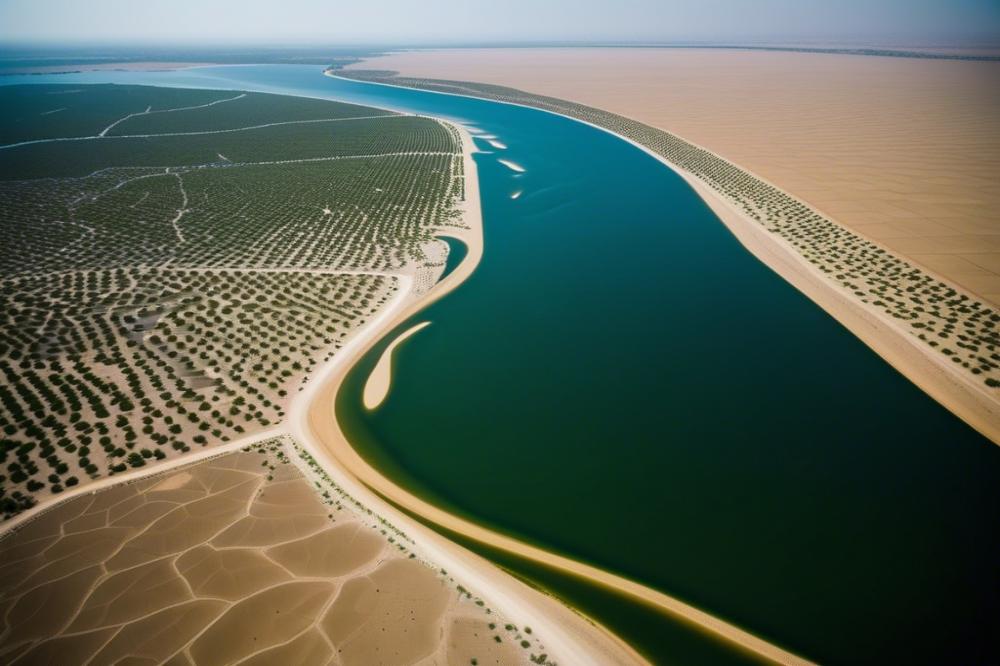
The historical context of the lake is vital to understanding its importance. For centuries, this body of water has served as a critical resource for millions across Africa. Its size has changed dramatically over time. Once one of the largest lakes in Africa, it provided livelihoods for fishing, farming, and livestock. Communities located near the lake thrived due to its abundant resources. Recently, however, its water levels have declined alarmingly.
Several factors have contributed to this shrinking phenomenon. Climate change has played a significant role. Rising temperatures create higher evaporation rates, which reduce the amount of water available. Additionally, unsustainable agricultural practices have worsened the situation. As more farmers overextract from local rivers and streams, the lake struggles to recover. Urbanization continues to put pressure on the region, leading to increased demand for water.
Impact on the ecosystem is severe and alarming. Fish populations decline as habitats vanish. This loss affects local fisheries, which are essential for food security and livelihoods. Many species that rely on the lake for survival face extinction. Biodiversity suffers greatly in these changing conditions. The entire ecosystem becomes fragile, leading to more extensive consequences for the environment.
Water scarcity greatly affects local communities. Families face difficulties accessing clean and sufficient water for daily life. Many have to travel long distances to find alternative sources, straining their time and energy. Health issues escalate as people rely on contaminated water. Hunger also becomes more prevalent as farming yields drop, leaving few resources for survival. Humanitarian efforts emerge to assist those impacted, yet challenges remain immense. Restoring water levels calls for urgent regional cooperation among nations. Together, they can better manage water resources, promote sustainability, and revitalize the livelihoods of millions.
Impact on Livelihoods and Humanitarian Issues
The shrinking of Lake Chad has led to severe consequences for many communities in Africa. Water scarcity affects both agriculture and fishing. Farmers who relied on the lake’s water find their crops wilting under the hot sun. As these vital resources diminish, fishing communities struggle as well. Fish populations decline, leaving families with fewer options for their daily meals.
Food insecurity rises as crop yields drop and fish become harder to catch. When people cannot get enough to eat, health issues follow. Malnutrition affects children especially hard, hindering their growth and development. Weak immune systems lead to increased illness. Families are left to make difficult choices about what to eat and how to survive.
With dwindling resources, many individuals from the affected areas face a tough decision. They often migrate to other regions in search of water and better opportunities. However, this regional migration brings challenges of its own. Some find themselves in crowded cities where resources are already stretched thin. Tensions can rise between newcomers and settled communities, complicating the social fabric.
Humanitarian efforts attempt to address the growing crisis. Organizations focus on sustainable solutions for resource management. By promoting regional cooperation, they aim to restore access to clean water. Programs that protect biodiversity may help revive the local ecosystem. Training in sustainable farming practices can empower these communities. Ultimately, these actions seek to build a resilient future for those deeply affected.
Ecosystem restoration Strategies
Approaches to Restoring Lake Chad’s Ecosystem
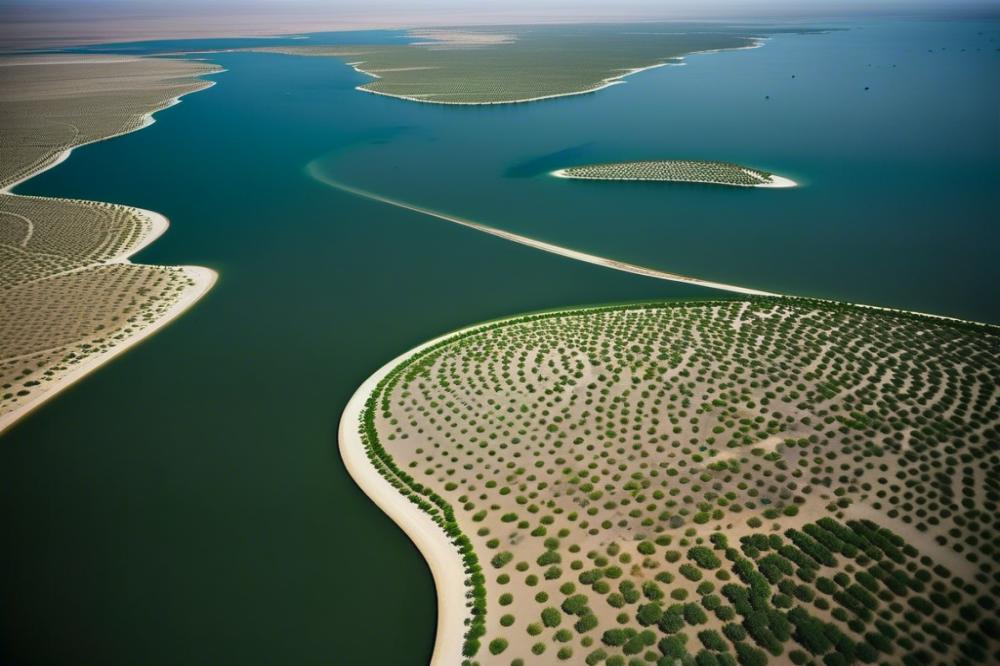
Efforts to revive the ecosystem around Lake Chad focus on various methods. These include reforestation, wetland restoration, and sustainable agriculture. Local communities are often involved in these projects. Engaging them is crucial for success. Collaborating with regional governments also helps build support for these initiatives. Stakeholders need to prioritize activities that protect and restore natural habitats. Clearly, addressing the challenges requires a multi-faceted approach.
Sustainable Water Management Practices
Water management practices play a significant role in combating water scarcity. Techniques like rainwater harvesting and drip irrigation can save vital resources. Education on efficient water use is essential for farmers. They must learn to adapt to drought conditions. Authorities should promote regulations that prevent over-extraction of water from rivers and lakes. Such measures can significantly improve the overall health of the affected area.
Importance of Biodiversity and its Role in Ecosystem Health
Biodiversity is critical for maintaining ecosystem balance. Various species contribute to the health of their environment in different ways. For example, plants can help in soil stabilization and water retention. Wildlife plays a part by regulating pest populations and pollinating plants. Healthy ecosystems support local livelihoods and strengthens food security. By preserving biodiversity, communities can better withstand the impacts of climate change.
Case Studies of Successful Restoration Projects in Similar Environments
Several projects around Africa offer valuable lessons for restoration efforts. In the Niger River Delta, wetlands were restored and biodiversity flourished. This led to enhanced fishing activities and improved habitats for numerous species. Another example is the Okavango Delta, where regional cooperation among countries resulted in protective measures for the ecosystem. Such collaborative efforts not only benefited local communities but also highlighted the importance of sustainability. By learning from these success stories, new initiatives can carry forward the momentum toward restoration and greater resilience.
Regional Cooperation and Sustainability
The crisis surrounding Lake Chad highlights the urgent need for collaboration among the countries in the basin. Nations like Nigeria, Chad, Cameroon, and Niger face similar issues. Their livelihoods depend on this vital water source. Water scarcity affects millions, so joint efforts are essential. Sharing resources and knowledge can lead to more effective solutions.
Policies that promote collective restoration efforts are now more important than ever. Agreements to manage water resources could pave the way for better usage. Such cooperation can help improve the ecosystem, supporting biodiversity. Rainfall patterns are changing due to climate change, adding to the necessity for joint action. By working together, these nations can stabilize the region and its precious resources.
International organizations play a critical role in these initiatives. Funding from global donors can help implement sustainable practices. These efforts can assist communities in adapting to challenges posed by climate change. With proper investments, restoration of the lake and its surroundings becomes more achievable. Humanitarian efforts also benefit from international support, as they align with restoration goals.
Community involvement remains a vital component of all restoration initiatives. Local populations must be engaged in the planning process. Their knowledge of the land and water is invaluable. Training programs can empower communities to manage resources effectively. Involving citizens fosters a sense of ownership, which is crucial for sustainability. When communities take charge, they become better stewards of their environment.
Final Thoughts on the Lake Chad Crisis and Restoration Efforts
Lake Chad has faced significant challenges over the years. Its shrinking waters affect millions who rely on it for their livelihoods. The crisis demands immediate attention. Communities surrounding the lake depend heavily on its resources for drinking water, fishing, and agriculture. Restoring this vital ecosystem is not just about the lake. It is also about the lives that depend on it. Without prompt action, these communities could face dire consequences.
Many agencies and governments are working together to tackle this problem. Their efforts should focus on sustainable practices that benefit both people and the environment. It’s clear that collaboration is essential. Regional cooperation will strengthen initiatives aimed at reversing the damage. Global support can amplify these efforts, providing resources and expertise. Everyone must play a role for the situation to improve.
Looking toward the future, there is hope. With the right strategies and commitment, the lake can regain its vitality. This will not only restore water but also restore hope for those who have faced hardship. A thriving ecosystem can pave the way for more opportunities. Livelihoods can improve, and communities can flourish. Inaction today could lead to a lost tomorrow, making it crucial to act now.


