
Introduction
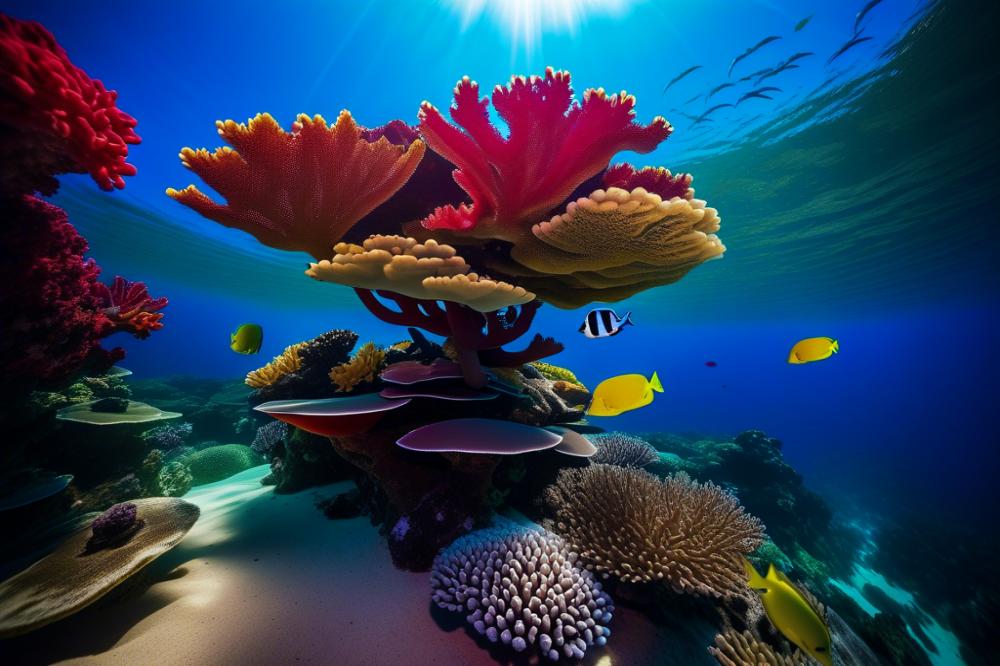
coral reefs play a vital role in global ecosystems. They provide habitat for countless marine organisms. These ecosystems support seafood industries and tourism, which are important for many communities. Additionally, coral reefs protect coastlines from erosion and help maintain water quality.
Unfortunately, these precious ecosystems face numerous threats. Climate change is one of the most significant dangers, causing rising sea temperatures and ocean acidification. Pollution from urban and industrial sources also severely impacts corals. Overfishing and destructive fishing practices further harm these delicate habitats. It is crucial to monitor and protect coral reefs to preserve their health and the biodiversity they support.
Advanced Technologies have emerged as powerful tools in the fight for marine conservation. remote sensing allows scientists to gather information from afar, covering vast areas of ocean in a short time. underwater drones provide a close-up view of coral health assessment, capturing details that human divers might miss. Environmental sensors continuously measure water quality, temperature, and other critical factors influencing coral survival.
Machine learning and data analytics are changing the way we understand reef ecosystems. By processing large amounts of data, researchers can uncover patterns or threats that may not be immediately visible. Biodiversity tracking helps identify species that rely on coral reefs for survival. Meanwhile, habitat mapping provides essential insights into the structure and complexity of these underwater landscapes. Together, these technologies advance our understanding of oceanography and contribute to better management practices for Coral Reef Monitoring.
Coral Reef Monitoring
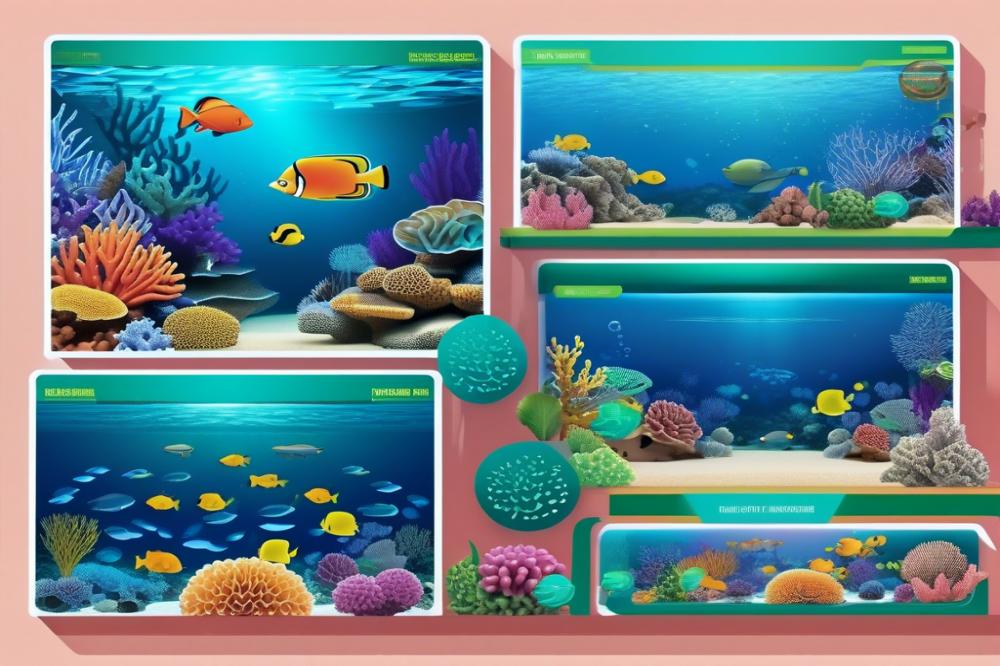
Coral reef monitoring is the systematic observation and assessment of coral ecosystems. It plays a vital role in understanding coral health and the overall state of marine environments. By tracking changes, researchers can identify threats to these ecosystems, such as climate change and pollution. Healthy reefs support diverse marine life and provide critical resources for coastal communities.
Traditional Methods vs. Advanced Technologies
Historically, scientists used methods like visual surveys and physical sampling to study reefs. These techniques required significant time and labor. Fishermen, divers, and researchers often collected data manually. However, such approaches can be limited. They might miss subtle changes happening over large areas.
To overcome these challenges, advanced technologies have emerged. remote sensing helps map large reefs from above, providing a broad overview without disturbing marine life. underwater drones are another exciting tool. These devices can explore and record images underwater, reaching depths that humans cannot. They provide high-resolution data about coral health and biodiversity.
Additionally, environmental sensors monitor conditions like temperature and salinity in real-time. Machine learning techniques analyze this data, making it easier to spot trends and predict future changes. Data analytics aids in interpreting complex information. These innovative approaches enhance coral health assessment and marine conservation efforts.
The Need for Innovation in Marine Conservation
The rapid decline of coral reefs worldwide highlights the necessity for innovation. As environmental pressures grow, traditional methods may no longer suffice. New technologies can offer more effective solutions for biodiversity tracking and habitat mapping. By harnessing these advances, marine scientists can better understand oceanography and its impacts on coral systems.
Innovation is critical for creating effective strategies to protect coral reefs. Advanced tools allow for more accurate monitoring and quicker response times to threats. They also facilitate collaborative efforts among researchers, governments, and communities. In an era of changing oceans, adapting marine conservation approaches is essential for the survival of these vulnerable ecosystems.
Remote Sensing Technologies
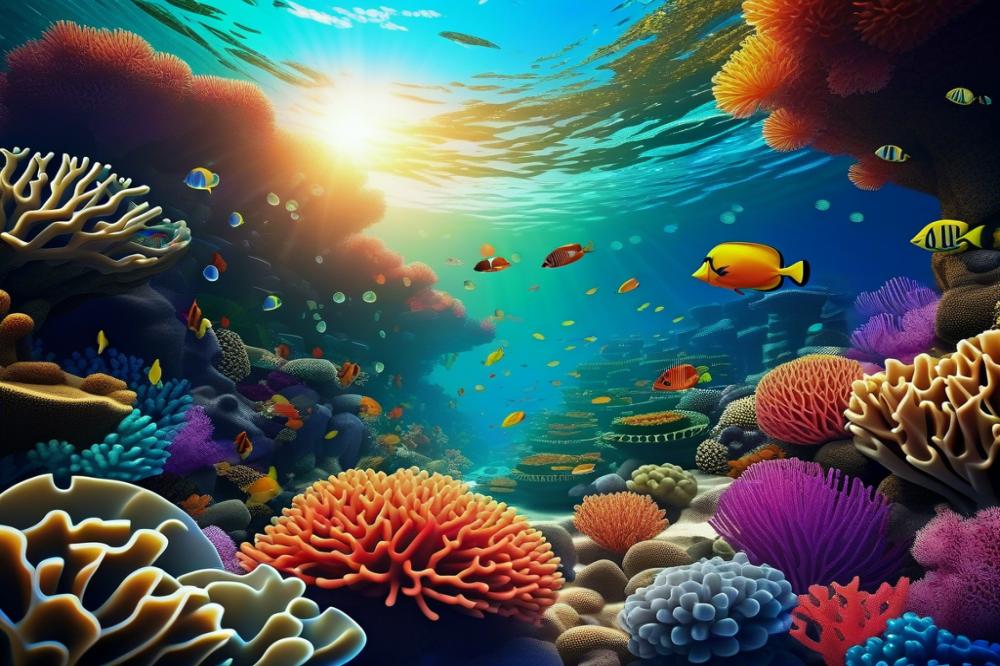
Remote sensing involves collecting information about an area from a distance. This technology is particularly valuable in marine environments. Satellite imagery and aerial surveys allow scientists to observe vast ocean areas without disturbing the ecosystem.
Applications in Coral Reef Habitat Mapping
One of the key uses of remote sensing is habitat mapping. Researchers can identify and classify different coral reef areas through high-resolution images. These maps help to understand how ecosystems are structured. By analyzing the spatial distribution of coral reefs, scientists can monitor changes over time due to climate change and human activities.
Another technique involves using underwater drones. These devices can capture images and videos of reefs at various depths. They provide detailed data, revealing the complex structures of coral habitats. This information is crucial for effective marine conservation efforts.
Monitoring Biodiversity and Health Assessments from Space
Remote sensing also plays a role in biodiversity tracking. Satellites equipped with advanced sensors can monitor changes in reef structures and health. This capability allows for the assessment of marine biodiversity from space, which is crucial for understanding the impacts of environmental stressors.
Machine learning and data analytics enhance the power of remote sensing. By processing large amounts of data, scientists can identify patterns in coral health and ecosystem changes. These insights are essential for coral health assessment, helping guide conservation strategies.
Environmental sensors deployed in waters can complement satellite observations. These sensors gather real-time data on parameters like temperature and water quality. This information provides a more complete picture of coral reef health and helps predict potential threats to these marine environments.
Underwater Drones
Introduction to Underwater Drone Technology
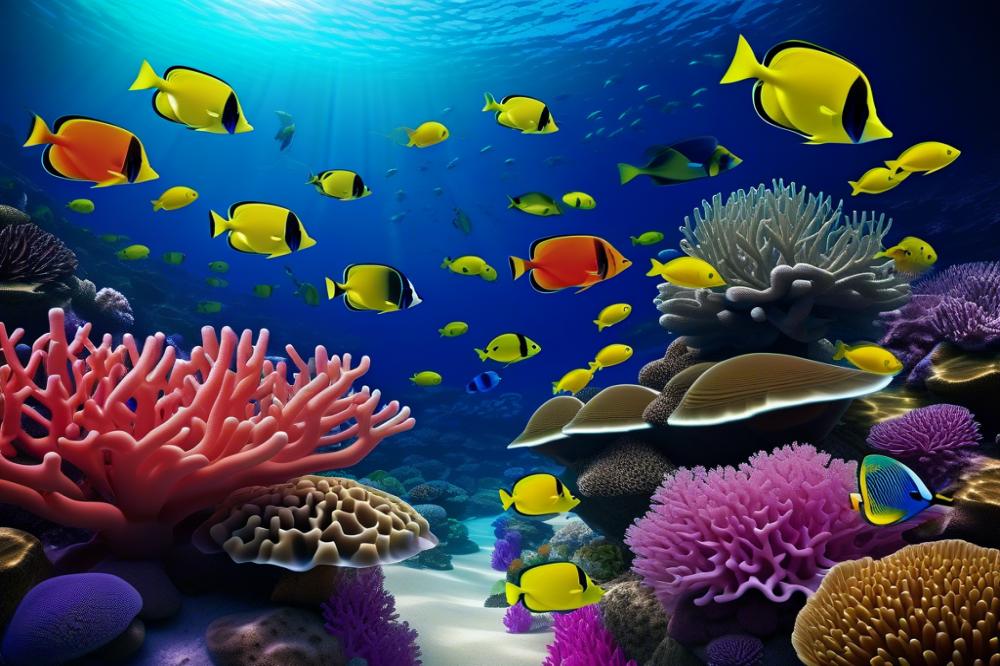
Underwater drones represent a fascinating intersection of technology and marine exploration. These devices allow researchers to delve into the depths of the ocean without disturbing its delicate ecosystems. Equipped with cameras and various sensors, they can navigate complex underwater terrains. Such technology opens new doors for studying vibrant coral ecosystems. This format allows for a blend of precision and flexibility in data collection.
Capabilities for Real-Time Data Collection
Real-time data collection is one of the standout features of underwater drones. These machines can transmit live images and information to researchers on the surface. By using advanced remote sensing techniques, they gather critical data about water conditions and marine life. This capability is crucial for timely decision-making in marine conservation. Data analytics can be applied to this information to identify patterns and trends in the environment.
Utilization in Biodiversity Tracking and Coral Health Assessment
Monitoring biodiversity is essential for understanding the overall health of marine ecosystems. Underwater drones excel in this area, providing observations that help track various species. They can survey large areas quickly, identifying changes in habitat and populations. Furthermore, environmental sensors on these drones play a vital role in coral health assessment. Machine learning algorithms analyze the collected data, offering insights into the conditions affecting coral reefs. These technologies collectively enhance our ability to monitor and protect these crucial habitats.
Environmental Sensors
Types of Environmental Sensors Used in Coral Monitoring
Various types of environmental sensors play an important role in monitoring coral reefs. These devices measure different parameters like temperature, salinity, and water clarity. Ultrasonic sensors can detect underwater currents while multi-parameter probes assess multiple factors at once. Remote sensing technology allows researchers to gather data from the sea surface, providing valuable information about the overall health of marine ecosystems. Underwater drones equipped with cameras and sensors offer an innovative way to observe coral habitats. As these technologies evolve, the ability to track coral health assessment improves significantly.
Importance of Continuous Data Collection on Water Quality
Continuous data collection is vital for understanding the complex conditions coral reefs face. Monitoring water quality over long periods gives scientists insight into changes in the environment. It allows them to identify pollution or harmful chemical events quickly. Sensors collect real-time data, which helps in making informed decisions for marine conservation. Different factors such as nutrient levels or pH can be closely monitored. This ongoing collection enables effective data analytics to reveal patterns and trends in the reef’s ecosystem. Such insights are crucial for maintaining biodiversity tracking and ensuring the survival of these delicate habitats.
Role in Assessing Impacts of Climate Change on Reef Systems
Assessing climate change impacts is essential for protecting coral reefs. Environmental sensors provide data that helps researchers understand how rising sea temperatures and ocean acidification affect marine life. Machine learning algorithms can analyze this vast amount of information and predict future changes. Habitat mapping becomes easier with continuous data, leading to targeted conservation efforts. Understanding specific vulnerabilities of coral ecosystems enables better strategies against threats posed by climate change. Ultimately, these technologies contribute to creating resilience within reef systems, fostering a healthier ocean environment.
Machine Learning and Data Analytics
Machine learning applications are revolutionizing marine science. This technology helps researchers analyze vast amounts of data gathered from the ocean. Environmental sensors and underwater drones collect information about coral reefs. These devices can capture images and temperature readings, among other factors. Data analytics plays a vital role in making sense of this information. By applying algorithms, scientists can uncover patterns in coral reef health and behavior.
Processing large datasets is essential for effective coral reef monitoring. Remote sensing is used to gather information without physical contact. It offers a broad overview of reef conditions over time. Machine learning algorithms can sift through these extensive datasets quickly. They can identify areas where reefs are thriving and spots in distress. This ability to process data efficiently is crucial in the fight against climate change.
Predictive modeling is another powerful tool in the assessment of coral ecosystems. These models can forecast changes in coral health based on various environmental factors. Factors such as temperature changes and pollution levels are considered. Scientists now have better insights into potential threats to marine conservation. This predictive power enhances biodiversity tracking efforts, allowing for timely interventions.
Additionally, habitat mapping is improved through advanced technologies. Machine learning aids in visualizing coral reef landscapes. It creates detailed maps that showcase changes over time. These maps can help determine which areas need immediate protection. Understanding the nuances of coral habitats allows conservationists to prioritize their efforts.
In summary, advanced technologies like machine learning and data analytics are essential in monitoring coral reefs. They provide tools for in-depth coral health assessment. Such innovations highlight the close relationship between technology and oceanography, advancing our knowledge of underwater ecosystems.
Case Studies and Applications
Notable examples show how technology is transforming coral reef monitoring. One inspiring case took place in the Great Barrier Reef. Researchers employed remote sensing combined with data analytics to monitor vast areas of coral. This method allowed them to track changes in reef conditions over time. Gathering data from the sky provided broad insights that were previously difficult to obtain. It showcased how these tools can enhance marine conservation efforts.
In another instance, underwater drones proved essential for coral health assessments. Scientists used these devices to capture high-definition images of reefs. Observing detailed images helped to assess the health of coral and the surrounding ecosystem. The drones operated quietly, causing minimal disturbance to marine life. This technology enabled researchers to survey large areas more effectively.
Environmental sensors have also played a critical role in monitoring ocean conditions. Sensors deployed on reefs measure temperature, salinity, and nutrient levels. The data collected contributes to understanding how environmental changes affect coral health. This ongoing monitoring supports efforts in biodiversity tracking. Insights gained from sensors can lead to more informed conservation strategies.
A fascinating success story emerged from the Caribbean. Here, a community utilized machine learning to analyze coral reef data. By applying this technology, they identified areas at risk from climate change and pollution. The approach highlighted the need for targeted interventions and habitat mapping. Engaging local communities proved vital in implementing protective measures.
Lessons learned from these projects emphasize collaboration among researchers, local stakeholders, and conservationists. Combining traditional methods with modern technology can yield richer data sets. Furthermore, these insights are crucial for effective marine management. As scientists push ahead, future research is expected to focus on integrating more advanced techniques.
Researchers are also looking into deploying more autonomous systems. Such innovations could revolutionize oceanography and marine monitoring. Continuous advancements will likely increase the effectiveness of conservation actions. As challenges mount, technology offers hope in safeguarding fragile ecosystems.
Closing Thoughts on Advanced Technologies in Coral Reef Health
Advanced technologies play a significant role in assessing the health of coral reefs. Techniques such as underwater drones and remote sensing provide valuable data to scientists. These tools allow researchers to monitor changes in coral reefs with precision. By collecting information on water temperature, clarity, and overall biodiversity, scientists can better understand how reefs are faring in the face of climate change.
Looking to the future, ongoing advancements in technology will enhance our ability to conserve coral ecosystems. Innovations in machine learning may assist in analyzing vast amounts of data collected from various sources. These improvements will likely lead to earlier warnings about coral bleaching and other health issues. With continued support and investment, it is possible to predict shifts in reef health more accurately. Understanding these patterns will inform better conservation strategies.
Integrating technology into marine studies is essential. Traditional methods of monitoring are valuable but often limited. Embracing new tools will bring a fresh perspective and provide more comprehensive insights. Collaboration between technologists and marine biologists is crucial for impactful change. Each group can contribute unique expertise, enriching the knowledge pool.
As we move forward, the importance of caring for coral reefs cannot be understated. These ecosystems are vital for marine life, tourism, and coastal protection. By leveraging advanced technologies, we can give these reefs the attention and care they deserve. It’s not just about saving them; it’s about ensuring a sustainable future for generations to come.


