
Researching coral bleaching Recovery in the Seychelles
coral bleaching is a critical issue faced by marine ecosystems around the world. It occurs when corals become stressed, often due to rising ocean temperatures. This process causes them to expel the colorful algae living in their tissues, leading to a stark white appearance. Understanding the significance of this phenomenon is vital for the future of underwater habitats.
coral reefs are more than just beautiful formations. They play a crucial role in maintaining marine biodiversity. These ecosystems offer shelter and food to countless fish and other marine organisms. Moreover, healthy reefs provide coastal protection against storm surges and erosion. The benefits they bring to both wildlife and human populations cannot be overstated.
Climate change poses a significant threat to these vibrant underwater worlds. Rising ocean temperatures caused by global warming increase the frequency and severity of coral bleaching events. As temperatures climb, corals are left in a precarious situation, and their ability to thrive diminishes. Thus, many reefs face the risk of decline or even complete destruction.
The purpose of this article is to explore coral recovery, particularly in the Seychelles. This island nation is home to some of the most stunning coral reefs on the planet. Researching how these reefs rebound from bleaching events can provide valuable insights into methods for restoration. Understanding ecological resilience is essential for effective marine conservation efforts. Through studying coral recovery, we can learn how to support these ecosystems during challenging times.
Understanding Coral Bleaching
Coral bleaching refers to a harmful phenomenon that affects coral reefs. When stressed, corals expel the tiny algae called zooxanthellae that live within their tissues. These algae provide corals with their vibrant colors and much of their energy through photosynthesis. Several factors contribute to this stress, but elevated ocean temperatures are the most significant.
Increased ocean temperatures can lead to severe discomfort for corals. Higher temperatures can result from climate change, which has been accelerating over the past few decades. This warmth affects not just corals but the entire marine ecosystem. When corals bleach, they lose their color and become more vulnerable to disease. Without these algae, corals cannot thrive, affecting the complex relationships within the reef.
The impacts on biodiversity are profound. Healthy coral reefs support thousands of marine species. Fish, mollusks, and other marine life depend on corals for habitat and food. As coral ecosystems decline, so does the population of many species. This loss of biodiversity can disrupt the entire food web.
Looking back at historical coral bleaching events reveals a startling trend. Major bleaching episodes have occurred in the 1990s and again in the 2010s, driven primarily by unprecedented ocean temperature spikes. Each event has proven devastating, with extensive loss of coral cover and ecological resilience. Restoration efforts are crucial but can be challenging.
Research in the Seychelles can shed light on the recovery processes of corals. Understanding the factors contributing to recovery can help guide conservation efforts. It remains imperative to study these ecosystems closely. The resilience of marine biology is key to maintaining these underwater habitats
Coral Recovery in the Seychelles
The coral recovery process in the Seychelles has become a significant focus of current research. Scientists are studying how coral reefs bounce back after experiencing stress from environmental changes. A key area of investigation is the impact of rising ocean temperatures and their role in influencing coral recovery rates.
Current Research on Coral Recovery Post-Bleaching
Research highlights that some coral species exhibit remarkable resilience. Studies show that certain types of coral can withstand higher temperatures and recover faster than others. Scientists collect data on different reefs to analyze recovery patterns following bleaching events.
Factors Influencing Recovery Rates of Coral Reefs
Many factors play a role in how quickly coral can recover. Local environmental conditions, such as water quality, are crucial. Healthy ecosystems with diverse marine life support better recovery. Additionally, the availability of suitable habitats affects how well corals can restore themselves.
Case Studies of Specific Coral Species and Their Resilience
Some coral species stand out for their exceptional adaptation. For example, the branching Acropora species has shown a high degree of resilience in the Seychelles. Their rapid growth rates allow them to quickly regenerate lost structures. In contrast, slower-growing species may take much longer to recover. Research on these differences is essential for effective conservation efforts.
Importance of Local Environmental Conditions on Recovery
Local environmental factors are vital for coral restoration. Regions with less pollution tend to support healthier coral reefs. Water temperature stability is also important. Coral reefs in cooler, clearer waters often recover better. Understanding these conditions helps researchers develop strategies to enhance ecological resilience against climate change.
Overall, the study of coral recovery in the Seychelles illustrates the complex interplay between marine biology and environmental factors. Protecting biodiversity in these ecosystems is crucial for their survival and recovery. Ongoing research aims to provide insights that will assist in the conservation of these valuable habitats.
Conservation Efforts in the Seychelles
The Seychelles are home to some of the most remarkable marine ecosystems on the planet. Various conservation strategies are in place to aid coral recovery and protect these vital resources. Efforts include restoring habitats, regulating fishing practices, and monitoring water quality. These actions promote better health for coral reefs and marine life.
Role of Marine Protected Areas
Marine protected areas (MPAs) play a crucial role in enhancing resilience to climate change. These designated zones limit human activities that can harm coral ecosystems. By shielding specific areas, the biodiversity within can thrive. Fish populations increase in abundance, contributing to healthier reefs. This kind of management helps to buffer against rising ocean temperatures.
Community Involvement and Education
Engaging local communities is vital in conservation efforts. Education programs help raise awareness about the importance of coral reefs and their role in marine biology. Workshops and interactive sessions encourage residents to participate in protection activities. Initiatives may include beach clean-ups, monitoring marine life, and advocating for sustainable fishing methods. Such involvement fosters a shared sense of responsibility.
Assessment of Current Policies
Current policies surrounding coral recovery are frequently reviewed to assess their effectiveness. Scientists and policymakers analyze data on reef health and community participation. Areas such as habitat restoration and pollution control are critical focal points. They help to determine whether existing strategies are meeting conservation goals. Adjustments are made based on findings to enhance ecological resilience.
The Future of Coral Reefs and Climate Change
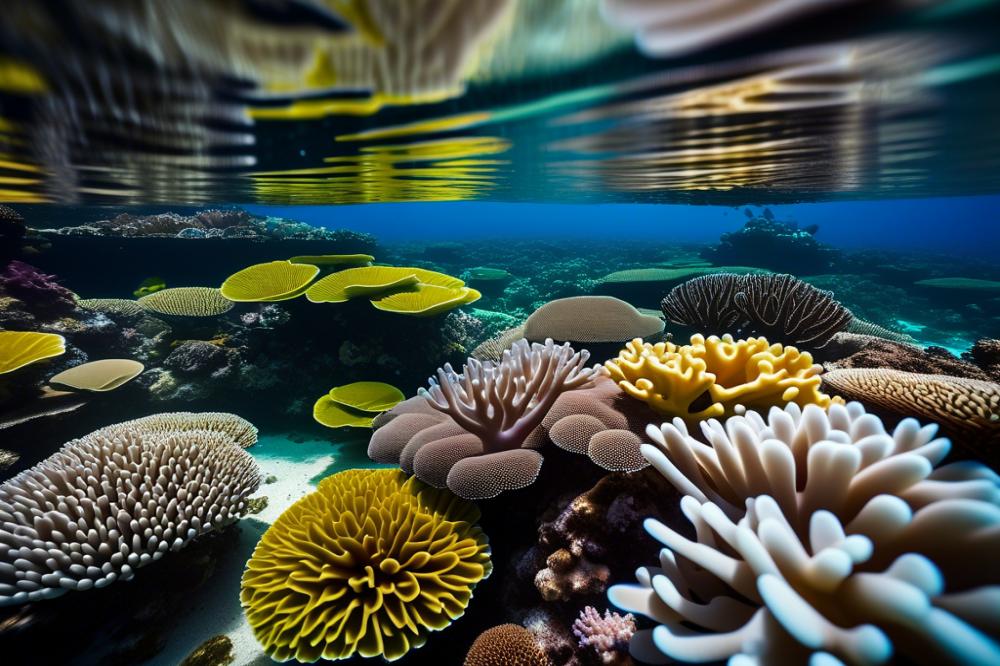
Climate change poses a significant threat to coral health worldwide. Rising ocean temperatures lead to increased stress on these vital marine ecosystems. As a result, coral reefs suffer from bleaching events, which affect their beauty and biodiversity. Projections suggest that if these trends continue, we might lose a large percentage of reefs within a few decades. However, understanding these impacts allows scientists to plan for the future.
The potential for coral recovery exists, but it is not guaranteed. Restoration efforts are critical for revitalizing damaged reefs. Rehabilitating coral systems can enhance ecological resilience. The deployment of new techniques, such as coral gardening and breeding programs, shows hope for improvement. Marine biology experts study these methods closely to determine their effectiveness.
Technological Innovations in Coral Restoration Practices
Technology plays a crucial role in modern conservation efforts. Innovative methods, such as 3D printing of coral structures, allow for more efficient restoration. Researchers also explore the use of drones for monitoring reef health. These advancements contribute to a better understanding of how to support coral recovery. They enable researchers to identify areas that need more focus and resources.
Local and global actions are necessary to safeguard these vital ecosystems. Community involvement in conservation is essential. Awareness and education can inspire change at the grassroots level. On a larger scale, world leaders must work together to combat climate change. Policies aimed at reducing carbon footprints can help stabilize ocean temperatures. This collaboration is crucial for the health of coral reefs and the marine biodiversity they support.
Final Thoughts on Coral Restoration Efforts
Coral reefs in the Seychelles face numerous challenges due to environmental stress. Studies indicate that recovery processes can vary significantly by species. Understanding these dynamics is crucial for developing effective conservation strategies. A healthy reef provides numerous benefits, such as supporting marine biodiversity, protecting coastlines, and promoting local economies.
Efforts aimed at conserving these ecosystems are essential. Local communities, scientists, and policymakers must work together to safeguard the delicate balance of life within the oceans. Awareness of the critical role reefs play in overall marine health is growing. Without action now, the future of these beautiful underwater gardens remains uncertain.
Continued research is vital. Scientists need resources and collaboration on a global scale to better understand how reefs can bounce back from harsh conditions. Findings should be shared widely to inspire more comprehensive protective measures. The challenges are significant, but the potential for recovery offers hope.
Reflecting on these issues, it’s clear that preserving marine habitats is not just an environmental concern; it’s a moral responsibility. Future generations should be able to appreciate the beauty and benefits of thriving reefs. Each one of us can contribute, whether through advocacy, education, or support for conservation initiatives.
In summary, coral recovery is more than a scientific challenge; it’s a vital step toward safeguarding our planet. With collective effort and understanding, we can help ensure that the reefs of the Seychelles continue to flourish for years to come.


