
Introduction
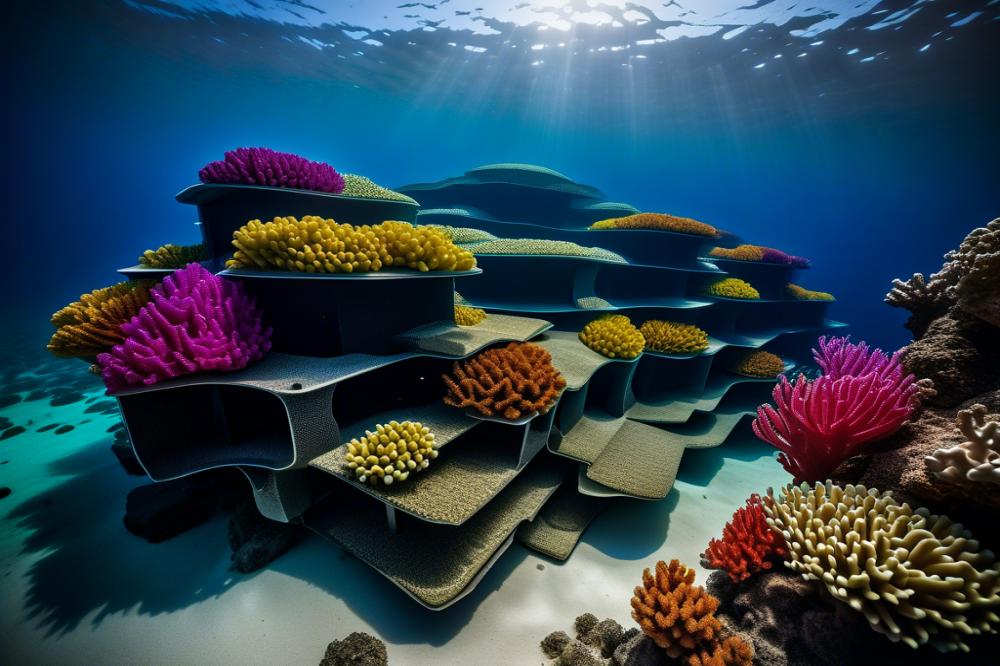
Artificial Reefs serve as engineered underwater structures designed to enhance marine environments. By providing new habitats, these structures fulfill multiple purposes, ranging from promoting fish population growth to enabling coral recruitment. They act as havens for various marine organisms, contributing significantly to the health of marine ecosystems.
In recent decades, the Gulf of Oman has witnessed various conservation efforts aimed at enhancing biodiversity. These initiatives underscore the importance of habitat restoration in preserving Marine Life and supporting sustainable fishing practices in the region. Artificial Reefs have emerged as a crucial tool in this endeavor, offering favorable environments for fish and other aquatic species.
Ecological benefits arise when these structures attract a diverse array of species. These underwater sanctuaries help combat the decline of fish populations by creating new areas for spawning and feeding. Additionally, they play a role in rejuvenating damaged marine habitats, facilitating the growth of corals and other essential organisms.
The Gulf of Oman stands out with its rich marine heritage. It is vital to protect these waters through innovative approaches like artificial reefs. Such strategies can lead to healthier ecosystems and more stable populations of fish. In turn, this helps local communities that rely on fishing for their livelihoods. Collectively, these elements highlight the significant role of artificial reefs in the ongoing efforts to conserve Marine Life in the Gulf of Oman.
Understanding Artificial Reefs
Definition and Types of Artificial Reefs
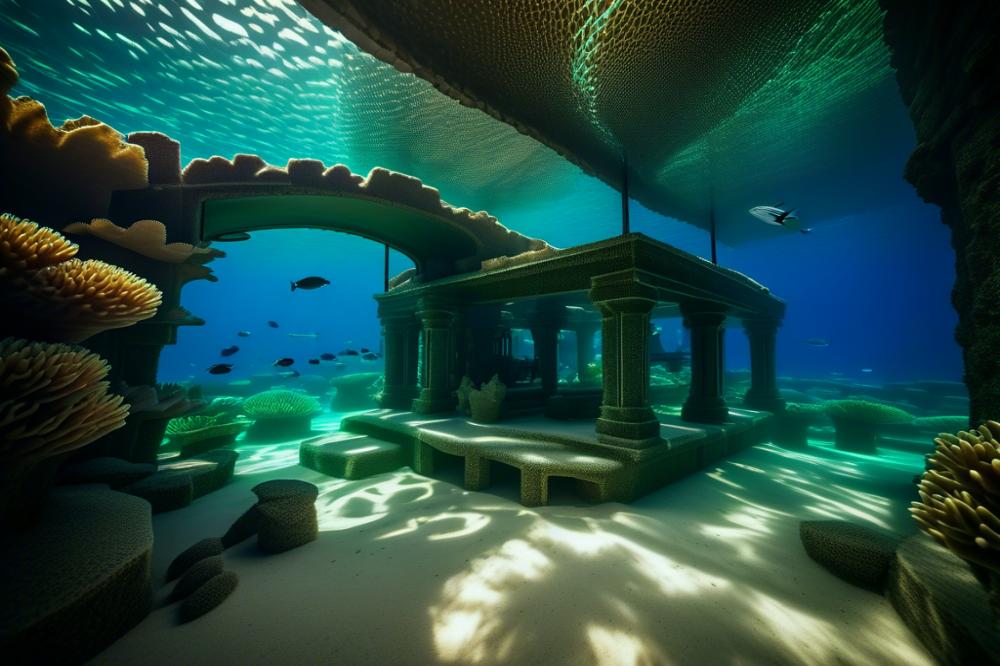
Artificial reefs are man-made structures placed on the seafloor to promote marine life. These underwater structures create new habitats. They can take many forms, such as sunken ships, concrete blocks, or specially designed modular systems. Some resemble natural reefs to help coral recruitment. Others serve specific purposes like protecting coastlines or enhancing fishing areas. Various types of artificial reefs offer diverse opportunities for marine ecosystems to flourish in the Gulf of Oman.
Materials Used for Construction of Underwater Structures
Different materials are used to build artificial reefs. Concrete is popular due to its durability and ability to encourage marine growth. Steel can also be used; it’s often recycled from old ships or oil rigs. Other options include limestone, which is friendly to marine life, and even biodegradable items like tires. Each material plays a role in fostering biodiversity. Careful selection ensures these structures can withstand harsh underwater conditions.
How Artificial Reefs Differ from Natural Reefs
Natural reefs consist of living coral and other organisms naturally occurring in oceans. Their formation is a slow process, often taking years to develop into complex habitats. In contrast, artificial reefs are constructed quickly and typically provide immediate benefits for fish populations. They may not be as diverse as natural reefs at first, but with time, they can contribute to habitat restoration. Fish and other marine species often flock to these new structures in search of shelter and food, enhancing local biodiversity. While both kinds of reefs support marine ecosystems, the processes behind their creation set them apart.
Biodiversity and Habitat Restoration

Role of Artificial Reefs in Enhancing Biodiversity
Underwater structures, like artificial reefs, play a crucial role in boosting biodiversity. They create new environments where marine creatures can thrive. These structures serve as homes for various species, which might struggle to survive in barren areas. As organisms settle, they attract more species, forming a complex web of life. This process enhances the overall resilience of marine ecosystems.
Impact on Local Fish Populations and Coral Recruitment
Fish populations benefit significantly from these submerged habitats. With additional shelter and food sources, local fish can grow and reproduce more effectively. Coral recruitment also sees a boost. Not only do these structures provide a suitable surface for coral larvae to attach, but they also help establish new coral colonies. As coral health improves, it further supports the surrounding fish populations. Healthy coral reefs are vital for a balanced marine environment.
Case Studies from the Gulf of Oman Demonstrating Habitat Restoration
Several projects in the Gulf of Oman showcase the positive impact of artificial reefs. For example, one initiative involved placing old ships on the seafloor. These ships transformed into thriving marine sanctuaries, attracting diverse sea life. Another case saw the installation of specially designed reef balls, which promoted coral growth. Through these conservation efforts, local fish populations have surged. Observations indicated a marked increase in species diversity within just a few years. These findings highlight the importance of habitat restoration for the region’s marine biodiversity.
Support for Marine Ecosystems
Contribution of Artificial Reefs to Overall Marine Ecosystems
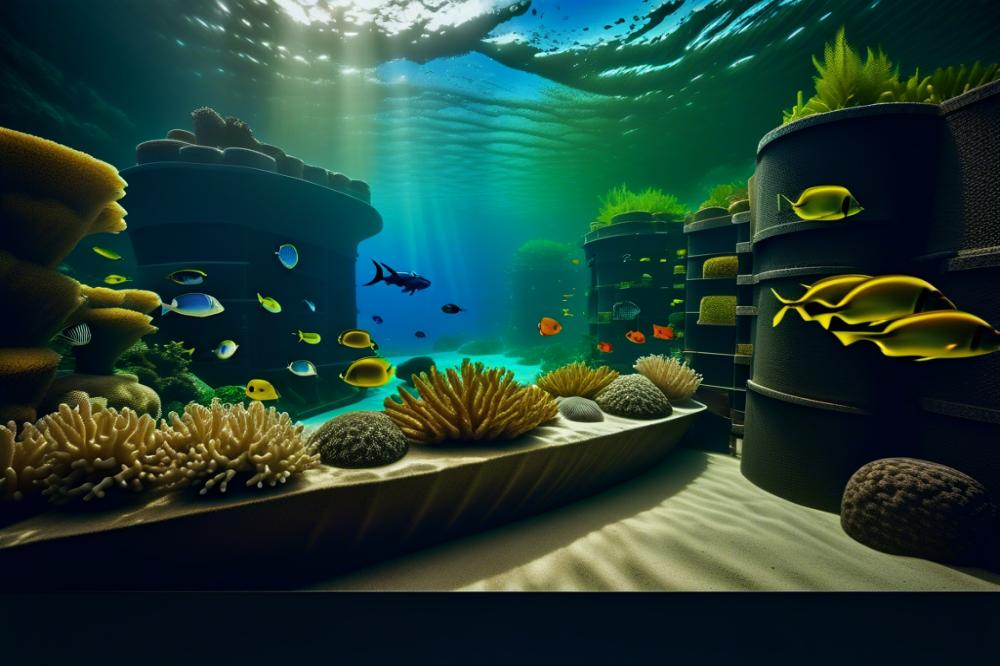
In the Gulf of Oman, artificial reefs serve as valuable underwater structures that significantly enhance marine ecosystems. These installations provide essential surfaces for marine organisms to attach and grow. As fish species find shelter in these new habitats, overall fish populations benefit. Species diversity increases as various organisms thrive in these enriched environments. The resulting biodiversity supports a healthier ecosystem.
Fostering Ecological Benefits for Marine Life
Coral recruitment is one of the most important outcomes of artificial reef creation. These reefs encourage the growth of corals and other critical marine life. Over time, the presence of corals contributes to the structural complexity of the habitat. This increased complexity offers additional shelter and feeding opportunities for a variety of fish. Marine ecosystems flourish as these interactions create a vibrant underwater community.
Interrelation Between Artificial Reefs and Sustainable Fishing Practices
Sustainable fishing practices are closely linked to the existence of these underwater structures. With increased fish populations, local fishermen can enjoy improved catches while allowing the ecosystem to remain healthy. Responsible fishing methods help maintain a balance between harvesting and conservation efforts in the Gulf of Oman. By emphasizing sustainability, communities can protect marine life while still benefiting from the sea’s resources. This partnership is crucial for ensuring the long-term health of both the ecosystem and the fishing industry.
Conservation Efforts in the Gulf of Oman
Current initiatives for artificial reef deployment
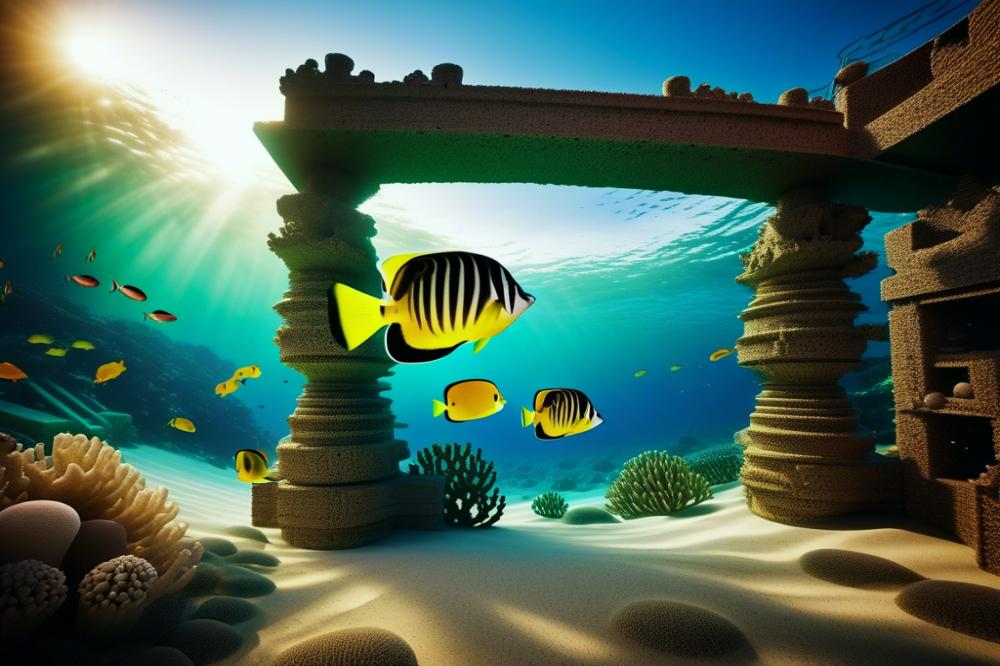
The Gulf of Oman has seen important conservation efforts focused on marine life. Organizations and governments are working together to create underwater structures. These innovative projects aim to restore habitats and boost biodiversity. When these structures are installed, they attract various marine species. As fish populations grow, the area becomes livelier and more balanced.
Collaborative efforts among governments, NGOs, and local communities
Partnerships play a key role in these initiatives. Various governments, non-profit organizations, and local communities are joining forces. This teamwork strengthens the effectiveness of their conservation strategies. Shared knowledge and resources help maximize outcomes. Each group brings unique perspectives to the table, fostering an environment where marine ecosystems can thrive.
Monitoring and research on the effectiveness of artificial reefs
Ongoing research is essential to understanding the impact of these projects. Scientists are monitoring changes in fish populations and coral recruitment. Data collected helps to assess ecological benefits over time. Researchers often work alongside local fishermen to gather insights on sustainable fishing practices. This collaborative approach ensures that everyone benefits from a healthier marine environment.
Challenges and Future Directions
Challenges faced in the implementation of artificial reefs
Many challenges arise when creating underwater structures in the Gulf of Oman. One key issue is choosing suitable materials that do not harm marine life. Certain materials can leach harmful substances into the water. Additionally, thorough planning is crucial to find the best locations for these reefs. Areas with strong currents may erode the structures, limiting their effectiveness. Stakeholder involvement can also complicate projects. Local fishermen may fear that new reefs will affect their traditional fishing spots. Understanding these concerns is essential for successful implementation.
Potential risks to marine ecosystems
Introducing artificial habitats can carry some risks. One concern is that invasive species might take over these new environments, disrupting the natural balance. The potential for overpopulation of specific fish species is also an issue. If one species becomes too dominant, it may push out others, reducing biodiversity. Changes in local food webs could affect the overall health of marine ecosystems. It is vital to monitor these risks carefully, ensuring they do not outweigh the benefits.
Future research needs and technological advancements
Research is crucial for improving the effectiveness of habitat restoration efforts. Studies focusing on coral recruitment can provide valuable insights. Examining how different designs influence fish populations is equally essential. Technology has advanced rapidly, offering new tools for monitoring reefs. Remote sensing and underwater drones could enhance our understanding of these ecosystems. By using data, researchers can make informed decisions about where to place new reefs. Collaborative efforts between scientists, local communities, and conservation organizations can lead to sustainable fishing practices. Continuing to investigate the ecological benefits of artificial habitats will help shape future initiatives in the Gulf of Oman.
Final Thoughts on Artificial Reefs and Marine Life
Ecological benefits from constructed habitats are significant. These structures act as magnets for fish and other marine organisms, creating vibrant ecosystems in the Gulf of Oman. Such enhancements lead to increased biodiversity, providing homes and spawning grounds for various species. Healthy populations of fish attract even more marine life, establishing a balanced environment that supports numerous forms of aquatic life.
Continued investment in projects like these is vital. Funding supports scientific research and construction efforts that directly affect the ocean’s health. Such initiatives can combat issues like overfishing and habitat loss, often seen with natural reefs. Upfront costs may be high, but over time, the returns in terms of enhanced fish stocks and healthier ecosystems benefit everyone, including local fishermen and tourism.
A collective call to action is essential. Communities, organizations, and governments must work together to promote conservation in the Gulf of Oman. Increased awareness can drive involvement and support for sustainable practices. Local citizens should engage with conservation efforts, as their actions can shape the future of marine habitats. Protecting these artificial foundations contributes to long-term ecological balance, ensuring future generations enjoy thriving oceans.


