
Introduction
The Andros Barrier Reef is a remarkable marine system located off the coast of Andros Island in the Bahamas. It plays a critical role in supporting diverse ecosystems and promotes rich biodiversity. coral reefs like this one are essential for marine conservation as they provide habitat for countless species. These ecosystems also offer important services, such as protecting coastlines from erosion and supporting sustainable fisheries.
marine conservation is not just a trendy topic; it is necessary for the health of our oceans. Climate change poses serious threats to reef systems, including bleaching events that can occur when water temperatures rise. Protecting these reefs is vital for maintaining the intricate balance of marine life. Furthermore, they support local communities that rely on fishing and tourism for their livelihoods.
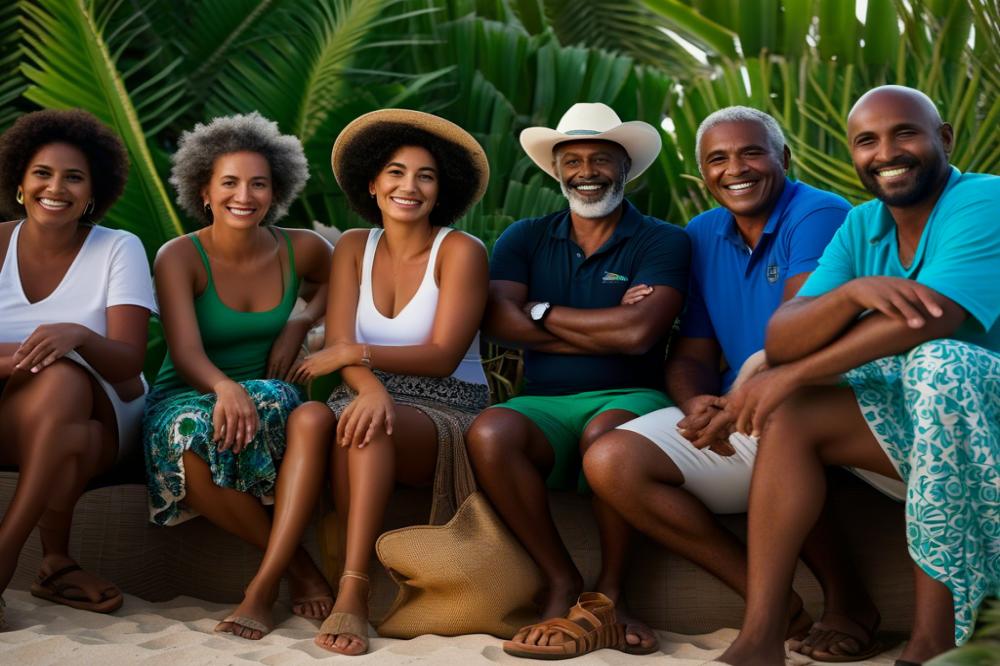
community-led conservation emerges as a pivotal approach in this context. It empowers local communities to engage in the protection and restoration of their own marine environments. Through their efforts in conservation management, they actively participate in decision-making processes that affect their natural resources. By fostering environmental stewardship, these communities can drive initiatives that promote marine protection and support ecosystem restoration.
In summary, understanding the significance of the Andros Barrier Reef helps highlight the importance of a united front in marine conservation. Local communities are essential for sustainable practices that benefit both humans and the natural world. Together, they can work towards a future where both their livelihoods and the health of the reef thrive.
Understanding community-led conservation
Community-led conservation focuses on the active participation of local communities in the management and preservation of their natural resources. This approach recognizes that people living nearby play a crucial role in protecting their environment. It is rooted in principles of collaboration, respect, and local knowledge. Communities often have a deep understanding of the ecosystems they inhabit. Using their experiences, they are able to implement strategies that align with sustainable practices.
Local communities are at the heart of many conservation efforts. They observe first-hand the changes in their environment, such as coral reefs declining or fish populations dwindling. By engaging them, conservation managers can draw upon local expertise that is often overlooked. The involvement of these communities promotes environmental stewardship and fosters a sense of ownership over natural resources. When locals take charge, conservation practices often become more effective.
Examples of Successful Community-Led Initiatives Globally
A range of initiatives demonstrates the power of grassroots involvement. In the Philippines, for instance, local fishermen have collaborated to create marine protected areas. These zones safeguard biodiversity while allowing sustainable fisheries to flourish. The initiative has led to a resurgence of fish populations and healthier coral reefs. In Kenya, coastal communities have engaged in mangrove restoration projects. These efforts not only support marine life but also protect shorelines from the impacts of climate change.
Another noteworthy example comes from Colombia. Local organizations have worked to restore damaged ecosystems along the Caribbean coast. By focusing on community education, they empower residents to tackle environmental issues. The result has been a remarkable improvement in environmental health and the overall quality of life. Successful programs around the world showcase how vital local engagement can be in conservation management.
Significance of the Andros Barrier Reef
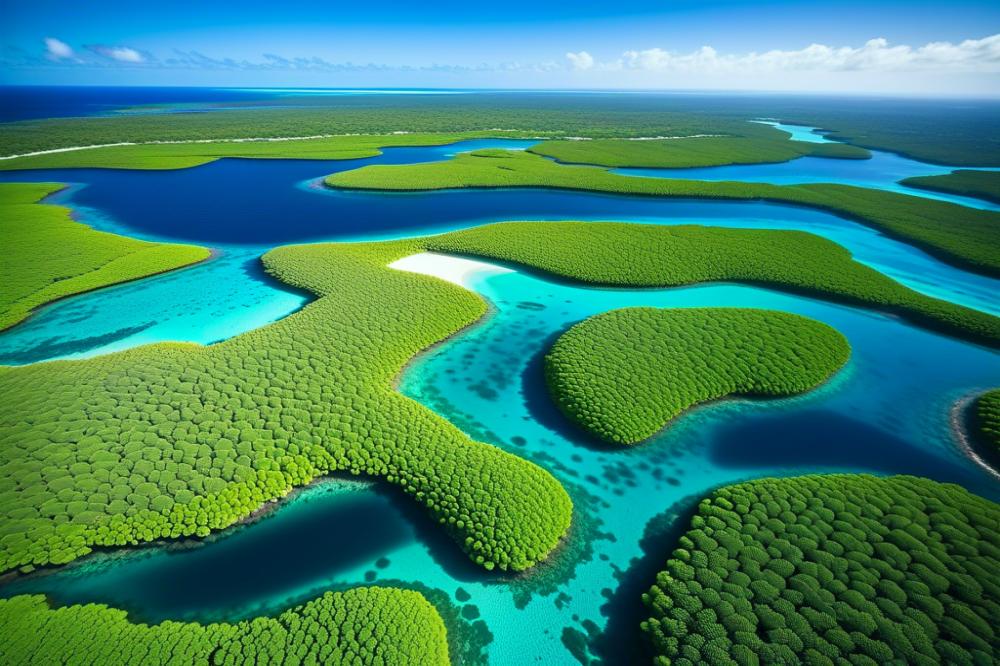
The Andros Barrier Reef is an extraordinary environment. It hosts a variety of biodiversity that is unmatched. Numerous species of fish, corals, and other marine creatures thrive here. Each species plays an essential role in maintaining the health of the ecosystem.
In addition to its rich biodiversity, the reef is a vital habitat. The different types of underwater structures provide homes for many organisms. Some areas are perfect for spawning, while others serve as feeding grounds. This variety greatly supports marine life.
Economic and Cultural Importance to Local Communities
Local communities depend heavily on the reef for their livelihoods. Fishing, tourism, and recreation are crucial to their economy. Sustainable fisheries promote responsible use of the ocean’s resources. This practice allows families to maintain their traditions while also preserving the reef.
The cultural significance of the reef runs deep. It is woven into the lives of many local residents. Traditional practices and beliefs are often tied to the ocean and its resources. Many festivals and rituals celebrate the connection between the people and the sea.
Threats Facing the Andros Barrier Reef Today
Other dangers include overfishing and pollution. Unsustainable fishing practices can deplete fish populations, harming the balance of marine life. Plastics and chemicals from nearby communities affect water quality. These threats underscore the need for effective conservation management.
Marine protection efforts are essential for the future of the reef. Engaging local communities in ecosystem restoration can yield positive results. Environmental stewardship requires commitment and cooperation. Safeguarding the Andros Barrier Reef is crucial for the well-being of both the wildlife and the people who rely on it.
Implementing Community-Led Conservation Strategies
Strategies Employed by Local Communities for Marine Conservation
Local communities around the Andros Barrier Reef actively engage in various strategies for marine conservation. They often use traditional knowledge to manage their coastal resources. Fishing practices have been adjusted to create sustainable fisheries. Awareness about harmful methods helps guide community members. Designating marine protected areas can maintain biodiversity and protect fragile ecosystems. Together, they participate in decision-making processes. Collaborative efforts with scientists can provide necessary data and support. Each of these actions contributes to healthier coral reefs.
Ecosystem Restoration Efforts and Their Impact
Ecosystem restoration efforts take many forms in this area. Coral nurseries are established to enhance reef growth. These nurseries involve cultivating coral fragments and replanting them on degraded reefs. This method not only promotes coral recovery but also strengthens marine life. Additionally, local communities carry out mangrove restoration projects. Restoration of these vital habitats provides protection against erosion and serves as nurseries for fish. Positive impacts include increased fish populations which boost local fisheries.
Importance of Environmental Stewardship and Education
Environmental stewardship is a cornerstone of community-led initiatives. Educating the public about marine conservation is essential. Workshops and events can help communities understand the significance of their actions. Young people can be engaged through school programs focusing on marine biology and ecology. Empowering them with knowledge ensures future generations continue conservation efforts. Collaboration with local organizations can expand outreach and resource availability. Strong community involvement leads to effective conservation management and resilience to climate change.
Sustainable Fisheries and Marine Protection
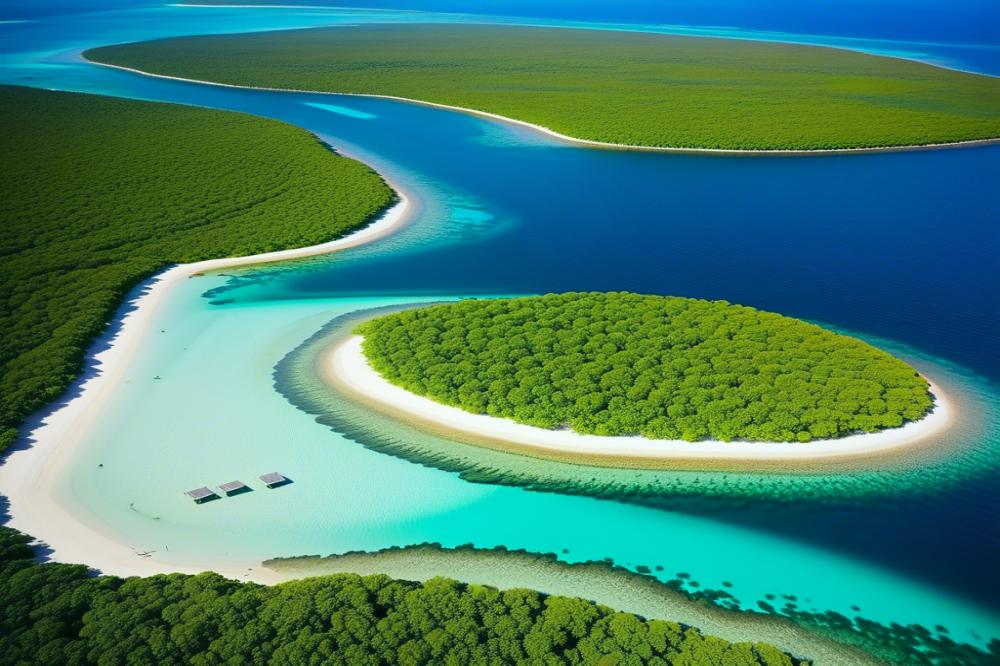
The connection between community-led conservation and sustainable fisheries is strong in Andros. Local communities have an essential role in managing natural resources. Fishers often depend on healthy ecosystems to support their livelihoods. When communities get involved in marine protection, they help safeguard coral reefs and fish populations for future generations.
Several strategies exist for protecting marine biodiversity through community involvement. One effective method is establishing marine protected areas (MPAs). These zones help limit destructive fishing practices. They allow fish populations to recover and grow. Another strategy includes promoting sustainable fishing techniques. By training local fishers in eco-friendly practices, communities can minimize their impact on marine life.
The success of local initiatives can be seen in various case studies. For instance, some fishing villages around Andros have adopted seasonal closures. This approach gives fish time to spawn, significantly boosting fish stocks. In another example, a community program focused on ecosystem restoration has seen coral reefs flourish. Marine conservation efforts led by these groups contribute to healthier oceans and improved biodiversity.
Moreover, local projects often emphasize environmental stewardship. People in these communities tend to have a stronger connection to their environment. They understand that their actions affect marine life. Educating younger generations also helps sustain these initiatives. Schools often participate in beach clean-ups, fostering awareness about climate change and its impacts.
Overall, the landscape of sustainable fisheries in Andros is highly influenced by local involvement. When communities actively participate in conservation management, they play a crucial part in marine protection. With continued dedication, these efforts can lead to vibrant marine ecosystems for years to come.
Challenges and Opportunities
Barriers to Effective Community-Led Conservation Efforts
Many challenges hinder conservation efforts on the Andros Barrier Reef. First, local communities might lack resources and funding. Skills and knowledge can also vary greatly among residents. Some individuals may not trust outsiders or governmental organizations. Miscommunication often leads to conflict and misunderstanding. Additionally, poverty can limit participation in conservation activities. Limited access to education affects awareness about marine conservation and biodiversity. These barriers make it harder to maintain effective management practices.
Impact of Climate Change on the Andros Barrier Reef
Climate change poses a significant threat to the coral reefs. Rising ocean temperatures can lead to coral bleaching. This phenomenon harms the delicate balance of the entire ecosystem. Changes in sea levels can affect local fisheries and habitats, disrupting people’s livelihoods. Ocean acidification also impacts coral growth, further threatening biodiversity. Natural disasters, like hurricanes, are increasing in severity, further damaging marine protection efforts. Addressing these challenges requires a concerted effort from all stakeholders involved.
Opportunities for Collaboration and Strengthening Conservation Management
Partnerships present a chance for enhanced conservation management. Local communities can collaborate with researchers to restore ecosystems. Sharing knowledge about sustainable fisheries practices strengthens community engagement. Additionally, government agencies can offer support through funding and educational programs. Engaging youth in conservation efforts fosters environmental stewardship. Workshops and training sessions can equip locals with essential skills. Furthermore, celebrating cultural ties to the ocean may increase participation in conservation. Together, these strategies can lead to more robust protection of the Andros Barrier Reef. Each effort can create a healthier environment for future generations.
Final Thoughts on Community-Led Conservation in the Andros Barrier Reef
Community involvement plays a vital role in the preservation of the Andros Barrier Reef. Local residents connect deeply with their marine environment. Their intimate knowledge informs effective protection strategies. Everyone benefits when the community drives conservation efforts. This grassroots approach fosters a sense of ownership and responsibility. Consequently, it leads to innovative solutions tailored to local challenges.
Support from outside sources can further strengthen these initiatives. Engaging with local communities fosters respect and understanding. It is not just about funding; it’s about partnership and shared goals. When people feel empowered, they are more likely to protect the coral reefs. Communities need tools, education, and resources to thrive in marine conservation. Every effort counts, and every voice matters in this fight for sustainability.
Looking ahead, the future of the Andros Barrier Reef holds promise. If community-led projects continue to flourish, the ecosystem can rebound. Potential exists for diverse marine life to thrive as it once did. Collaborative workshops, educational programs, and ongoing research can amplify these efforts. Together, we can foster a healthier ocean for future generations. By supporting local initiatives, we create a ripple effect of positive change.


