
Introduction
The Thames Estuary is a vital region in the UK, providing many ecological services and supporting a range of wildlife. Stretching from London out to the North Sea, this estuary is home to diverse habitats that are crucial for various species. Among these habitats, salt marshes and mudflats stand out. They are not just places where water and land meet; they are essential to maintaining the health of coastal ecosystems.
salt marshes and mudflats play a significant role in wetland conservation. They help to filter pollutants, provide wildlife habitats, and act as buffers against storms. Additionally, these environments support a rich biodiversity, with numerous plants and animals that depend on their unique conditions. The interconnectedness of these ecosystems means that when one part suffers, others do as well. Thus, preserving these areas is critical for the overall health of our planet and for combating climate change.
Efforts aimed at habitat recovery and restoration are more important than ever. Restoring these areas can help mitigate the effects of climate change, such as rising sea levels. Shoreline management strategies are also implemented to ensure that these vital ecosystems are protected. Restoring natural habitats will not only aid in biodiversity recovery, but also support ongoing environmental sustainability initiatives. The goal is to create resilient coastal areas that can adapt to changing conditions and provide benefits for both wildlife and people.
The Thames Estuary
Geographical features and ecological significance
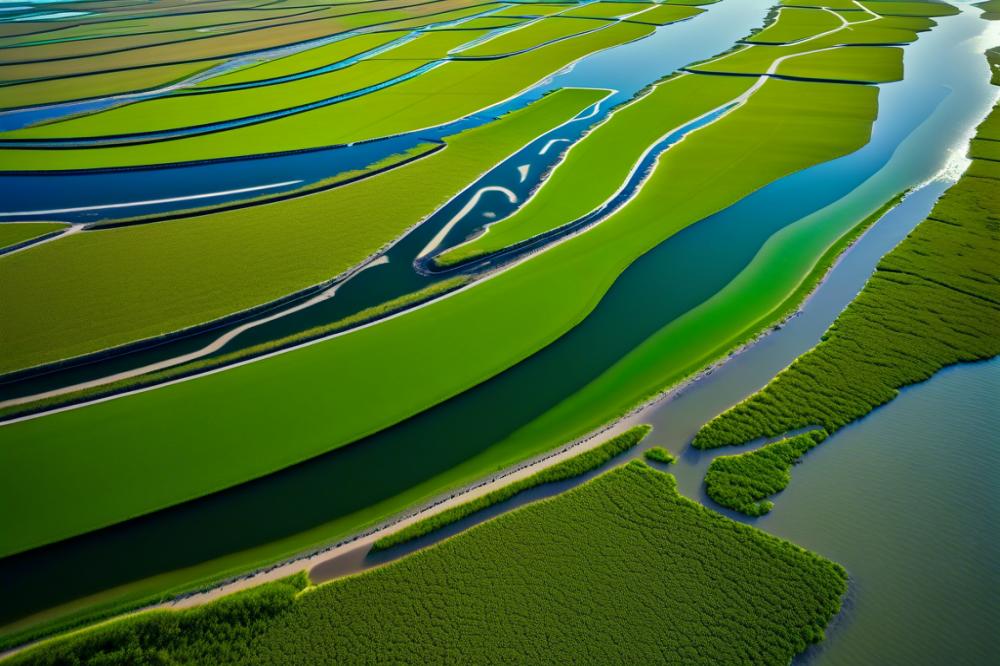
Located in southeastern England, the estuary serves as a critical junction between the River Thames and the North Sea. Stretching over 80 kilometers, it features diverse landscapes, including salt marshes and mudflats. These areas provide essential services to local wildlife. Migratory birds rely on these habitats for resting and feeding during long journeys. Nurseries for fish thrive in the shallow waters, contributing to a rich aquatic life. This diversity enhances the overall biodiversity of the region.
Historical context of the Thames Estuary ecosystem
Historically, the Thames Estuary has undergone significant changes. Industrialization transformed the natural landscape over the centuries. Urban development and agriculture decreased wetland areas. Pollution also impacted local marine life. Despite these challenges, efforts began in the late 20th century to turn this trend around. Conservation initiatives focused on restoring natural habitats. Projects aimed to address the loss of ecological balance. Community involvement has been crucial in these efforts, fostering a connection between locals and their environment.
Current state of salt marshes and mudflats in the region
Today, many salt marshes and mudflats face ongoing threats. Urban pressures and climate change continue to challenge these ecosystems. Rising sea levels and increased flooding have weakened the resilience of coastal habitats. Although some areas show signs of recovery due to recent restoration efforts, the fight is far from over. Many existing marshlands lack the necessary protections. Shoreline management practices must adapt to the changing environment. Balancing human activity and natural habitat restoration is key to achieving long-term environmental sustainability.
Ecological Restoration Strategies
Techniques for Restoring Salt Marshes and Mudflats
Restoring salt marshes and mudflats requires careful planning and execution. Techniques like re-vegetation with native plant species play a crucial role. Planting local species helps in stabilizing sediments and provides essential habitats for various wildlife. Constructing sediment traps can also aid in gathering sediments that are vital for marsh formation. By using innovative techniques, such as using biodegradable mats, communities can promote the growth of vegetation more effectively.
Monitoring these areas after restoration is equally important. Regular checks help in understanding what is working and what needs adjustment. This ongoing evaluation supports the recovery process and helps track the overall health of these ecosystems.
Role of Sediment Management and Natural Processes
Sediment management is vital for the health of coastal ecosystems. Adequate sediment supply helps build and maintain mudflats and marshes. Natural processes, such as tidal movements, also influence how these landscapes evolve over time. By allowing sediment to flow freely, plants and animals can thrive. Understanding these dynamic systems is key for effective restoration.
Additionally, promoting the natural behavior of water flow can enhance growth. When water moves as it should, it activates important ecological processes. Functioning tidal creeks can support diverse species, boosting local biodiversity. Managing sediment and embracing natural processes together create a harmonious environment for wildlife.
Community Involvement and Stakeholder Engagement
Engaging with local communities can significantly boost restoration efforts. It brings awareness and encourages people to care about their natural surroundings. Workshops and volunteer days are effective ways to get people involved. When individuals feel connected to these efforts, they are more likely to support conservation initiatives.
Stakeholder engagement includes farmers, government bodies, and environmental groups. Collaboration among these groups leads to more effective shoreline management practices. Sharing knowledge and resources fosters a shared responsibility for ecological restoration. This collective approach not only strengthens local support but also enhances the impact of wetland conservation efforts.
Involving the community in habitat restoration projects also helps in climate change adaptation. As people recognize the value of marshes and mudflats for flood protection and carbon sequestration, they become advocates for environmental sustainability. Building a sense of ownership over these ecosystems lays the groundwork for long-term success.
Biodiversity and Ecological Importance
Salt marshes and mudflats serve as vital habitats in coastal ecosystems. These areas contribute significantly to the richness of life along the shores. They provide breeding grounds, feeding areas, and shelter for various species. Without them, many birds and other wildlife would struggle to survive.
Bird populations, both local and migratory, greatly benefit from these habitats. When the tides come in and out, these lands provide abundant food sources such as insects and small crustaceans. Numerous species of migratory birds rely on mudflats during their long travels. They stop to rest and find nourishment, making these habitats crucial for their survival.
Moreover, enhancing biodiversity in these areas strengthens ecosystem resilience. A diverse set of species can better withstand the impacts of climate change. For instance, healthy salt marshes can absorb higher amounts of carbon, which helps combat climate-related challenges. These systems also mitigate erosion, protecting shorelines from rising sea levels.
Ecological restoration projects aim to revive these important natural habitats. Wetland conservation efforts focus on creating and maintaining thriving salt marshes and mudflats. By restoring these landscapes, we foster biological diversity that supports various life forms. This increased variety can create a more stable environment, ultimately benefiting the entire coastal ecosystem.
In summary, the interplay between wildlife and their habitats in the Thames Estuary shows a complex relationship. Restoration initiatives highlight the importance of these areas for both the environment and species that depend on them. It is essential to recognize their role in shoreline management for lasting environmental sustainability.
Wetland Conservation and Climate Change Adaptation
Wetlands play a vital role in climate change mitigation. They act as natural sponges, absorbing excess water and reducing flood risks. Salt marshes and mudflats help sequester carbon, which is crucial for controlling greenhouse gas levels. By restoring these habitats, we contribute to a healthier environment. Biodiversity thrives in healthy coastal ecosystems, supporting both wildlife and human communities alike.
Enhancing resilience against climate change requires targeted strategies. These might include the restoration of native plant species and creating buffer zones. Such actions can strengthen the natural defenses of coastal areas. Monitoring and research help identify the best approaches for these habitats. They guide efforts in ecological restoration, ensuring that weakened ecosystems regain their vitality.
Coastal communities can also benefit from integrated shoreline management practices. This means using both hard engineering and natural methods in harmony. For instance, building levees can be effective, but combining them with restored marshlands can offer added protection. This synergy boosts environmental sustainability. By embracing such interdisciplinary measures, we can tackle climate change effects more efficiently.
Wetland conservation is essential for maintaining ecosystem health. Healthy wetlands promote biodiversity and provide vital services. These include water filtration and habitat for numerous species. The interplay between salt marshes and mudflats creates a dynamic environment. It’s crucial for not only wildlife but also human recreation and local economies.
Therefore, commitment to natural habitat restoration is more than necessary; it’s imperative. Active participation from communities can drive real change. Involving local stakeholders ensures that people understand the value of wetlands. It also fosters a sense of responsibility for protecting these areas. This, in turn, enhances public awareness about climate change adaptation strategies.
Case Studies and Success Stories
Examples of Successful Restoration Projects
One noteworthy project involved the restoration of salt marshes and mudflats in a specific area. This initiative dramatically improved the local biodiversity. Native species began to rebound in numbers and variety. Many birds, such as oystercatchers and redshanks, returned to feed and breed. Additionally, aquatic life flourished as water quality improved. Communities also reaped the benefits, enjoying enhanced recreational spaces.
Another success story comes from a collaborative effort led by local environmental organizations. This project targeted areas severely impacted by climate change and human activity. By enhancing shoreline management techniques, they worked to restore natural habitats. Volunteers played a significant role in planting vegetation and building up the coastline. The results revealed a thriving ecosystem where mudflats and salt marshes met once again.
Lessons Learned from Past Restoration Efforts
Past experiences show that community involvement is crucial. Engaged local residents often bring valuable knowledge about their environment. Integrating traditional practices with scientific approaches can lead to more effective solutions. Monitoring and adaptive management also emerged as vital elements for success. Regular assessments help identify challenges and necessary changes along the way.
Moreover, understanding the specific needs of the ecosystem is essential. Each coastal area has unique characteristics, from water salinity to local wildlife. Restoration efforts should consider these factors to enhance ecological restoration. Lessons learned highlight the importance of resilience in wetland conservation. Projects must be designed to adapt to ongoing climate change challenges.
Comparative Analysis with Other Coastal Ecosystem Restoration Projects
When looking beyond local projects, one can see similarities and differences with other coastal areas. For example, initiatives along the U.S. Gulf Coast have focused heavily on rebuilding marshes. Many strategies mirror those seen in the UK. The aim is to promote biodiversity while providing flood protection. However, different environmental contexts can impact outcomes significantly.
Moreover, international case studies provide insights into best practices. Australian projects often emphasize the use of indigenous plants, enhancing ecological compatibility. Such approaches can inspire similar tactics in regional initiatives. Understanding the broader landscape of coastal ecosystems fosters innovation in restoration techniques.
In summary, by examining various projects, we gain valuable perspectives. Strengthening our approach will only benefit future conservation efforts. Emphasizing collaboration, ongoing learning, and adaptability will lead to more successful outcomes across all regions.
Challenges and Future Directions
Ongoing challenges in the restoration process
The journey of restoring coastal ecosystems is filled with obstacles. From the outset, securing adequate funding for ecological restoration projects remains a significant hurdle. Many initiatives rely on grants and donations, which can vary year to year. Local communities must embrace the importance of wetland conservation. Engaging residents is crucial. People living near these habitats often have the most significant impact on their health and success.
Besides funding, the precise science of habitat restoration poses challenges. It requires understanding the specific needs of both salt marshes and mudflats. These habitats are complex, and every effort must consider various environmental factors. Changing tides, sediment flow, and seasonal weather all play a role. A careful balance ensures that restoration efforts are effective.
Impacts of human activities and climate change
Human activities continue to threaten these vital areas. Urban development, pollution, and industrial expansion often disrupt natural habitats. Such actions lead to habitat loss and decrease biodiversity. Additionally, climate change compounds these issues. Rising sea levels and increased storm frequency can quickly overwhelm restored areas. Adapting to these changes is essential for the survival of coastal ecosystems.
Pollution from nearby urban regions affects water quality and plant life. Harmful substances can settle onto the mudflats, causing health issues for wildlife. No segment of the environment exists in isolation. Therefore, restoration efforts must consider broader ecological dynamics. Climate change adaptation strategies are becoming increasingly important to ensure long-term success.
Future goals for environmental sustainability and habitat recovery
Looking ahead, the focus must shift to environmental sustainability. A collaborative approach involving local governments, ecology experts, and community members can lead to innovative solutions. Restoration projects should emphasize the necessity of enhancing biodiversity. By broadening the variety of species, habitats become more resilient to change.
Shoreline management plays a crucial role in future initiatives. Careful planning can help guide new projects and establish protective measures. Eventually, this will contribute to the recovery of natural habitat. Visionary thinking about the future is essential. Ensuring that salt marshes and mudflats thrive will require ongoing commitment and strategic planning. Knowledge-sharing among various stakeholders will help improve approaches to restoration.
Conservation efforts must remain dynamic, adapting to new information and challenges as they arise. The complexity of ecosystem recovery calls for a multifaceted strategy. Ultimately, dedication to these goals will support the revival of crucial habitats in the UK.
Looking Ahead: The Future of our Wetlands
Restoring the habitats of the Thames Estuary is crucial for both biodiversity and climate resilience. Healthy ecosystems support various wildlife species, which depend on salt marshes and mudflats for survival. The ongoing recovery of these vital areas will benefit not just animals but also local communities and economies.
Investment in ecological restoration projects is essential. Funding and support from both government and private sectors can lead to sustainable practices that thrive in harmony with nature. Engaging communities in these efforts fosters a sense of ownership and a deeper connection to the land.
The vision is clear: a thriving estuary rich in diverse life forms. Imagine a landscape teeming with birds, fish, and plants, all playing a role in a balanced ecosystem. Such a reality is not just a dream; it can become our legacy. With concerted effort, the Thames Estuary can emerge as a leader in ecological restoration, inspiring similar initiatives across the UK.
Together, we can make a difference. Continued commitment to restoration is needed now more than ever. Only then can we ensure our natural world is preserved for future generations.


