

Introduction
The Lake Victoria Basin is Africa’s largest lake and one of the richest freshwater ecosystems in the world. Stretching across Uganda, Tanzania, and Kenya, this vibrant body of water supports millions of livelihoods and is crucial for regional biodiversity. This basin is not just a water source; it offers food, transportation, and economic opportunities to surrounding communities. However, it faces significant challenges that threaten its well-being.
Pollution and overfishing have emerged as major threats to the lake’s ecosystem health. As populations grow, urban areas around Lake Victoria have seen increased waste and runoff entering the water. This contamination reduces water quality and harms aquatic life. Moreover, the demand for fish has led to overfishing, which disrupts the delicate balance of the lake’s biodiversity. With fish stocks declining, local fishermen are struggling to adapt to changing conditions.
A comprehensive approach is essential for effective restoration. The concept of Lake Victoria Restoration brings together various conservation efforts aimed at addressing these issues. This initiative seeks to involve local communities in habitat restoration and sustainable fishing practices. By encouraging community involvement, everyone can contribute to the health of their environment. Strong environmental policies must also support these endeavors.
The climate impact on the basin exacerbates these challenges. Changes in weather patterns affect rainfall and temperature, creating additional stress on an already vulnerable ecosystem. Without addressing these interconnected issues, Lake Victoria may face further declines in its natural resources.
Only through a focused and integrated approach can we hope to see improvements. Pollution Management and sustainable fishing practices are pivotal in nurturing the lake’s ecosystem. As efforts continue to protect this precious resource, the future of Lake Victoria could hold promise for both nature and the communities reliant on its resources.
Understanding the Challenges
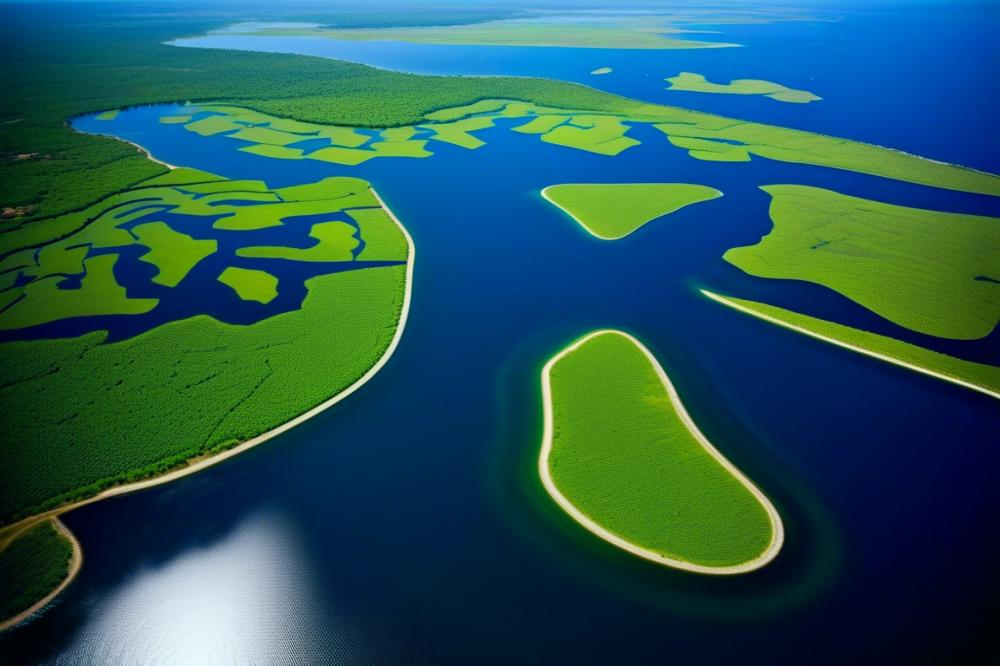
Lake Victoria faces significant threats that harm its health and the communities that rely on it. Pollution is a major issue, particularly from agricultural runoff and industrial waste. Chemicals from farms wash into the water, hurting fish and plants. Industrial waste, often improperly treated, adds to the toxicity of the lake. These pollutants severely impact water quality, making it unsafe for both aquatic life and local populations.
Overfishing is another critical challenge. Fish populations are depleting at alarming rates. This loss affects not just the species themselves but also the livelihoods of local fishermen. Many families depend on fishing for food and income. As these populations decline, communities struggle to maintain their way of life. Sustainable fishing practices are essential to restore balance to the lake’s ecosystem.
The consequences stretch beyond economics and involve biodiversity as well. The delicate web of life in Lake Victoria is under threat. When certain fish species vanish, predators and prey are affected, leading to a cascade of ecological impacts. This decline in biodiversity weakens the overall health of the ecosystem. Healthy ecosystems provide essential services, including clean water and habitat for various species.
Climate change compounds these challenges, leading to unpredictable weather patterns. Such changes can exacerbate pollution and overfishing effects. Higher temperatures can alter fish behaviors and habitats, making it even more crucial to adapt conservation efforts. Environmental policies must be strengthened to combat these challenges effectively.
Community involvement can play a pivotal role in the restoration process. Engaging local stakeholders in habitat restoration initiatives can bring about positive changes. Many residents have valuable knowledge that can inform effective strategies. Empowering communities to take charge can lead to more sustainable practices and better outcomes for Lake Victoria’s health.
The interplay of these factors creates a complex situation. Immediate and coordinated action is necessary to improve both ecological and human health in the region. Without comprehensive solutions, the future of Lake Victoria, its biodiversity, and the communities that depend on it remains uncertain.
The Importance of Ecosystem Health and Biodiversity

Biodiversity plays a crucial role in maintaining the health of ecosystems in the Lake Victoria Basin. A rich variety of species helps to balance the environment. When one species thrives, it supports others. This interconnected web ensures that nutrients cycle efficiently, which is vital for water quality. Healthy ecosystems are more resilient to changes, including climate impact.
Unfortunately, overfishing has led to a significant decline in species diversity. Each fish captured impacts not only the fish population but also the entire food chain. When certain fish species vanish, predators can struggle to find enough food. This situation disrupts natural balances greatly and can cause other species to decline as well.
Pollution further compounds these issues. Contaminated water can harm many aquatic organisms. Algal blooms, often the result of nutrient runoff, choke out fish and other marine life. Such conditions make water less suitable for drinking and fishing, affecting local communities. Conservation efforts must focus on improving these challenging conditions.
Sustainable fishing practices can help restore balance in these waters. When local fishermen work within ecological limits, populations can rebuild. Community involvement is essential here. Fishermen and local residents need to engage in conversations about their practices and the impact they have. By promoting awareness, communities can drive changes that protect their environment.
Habitat restoration also plays a vital part in reviving biodiversity. When native vegetation is restored along the shores, fish and other wildlife benefit. Healthy habitats provide shelter and breeding grounds, crucial for many species. Environmental policies must advocate for these strategies to be effective.
A decline in biodiversity can lead to broader ecological consequences. With fewer species, the ecosystem becomes more vulnerable. Pests can proliferate when natural predators are gone, and invasive species may take over. These changes can lead to further degradation of important habitats, creating a cycle that is hard to break.
Water Quality and Its Impact

Lake Victoria is currently facing severe challenges regarding water quality. Pollution comes from various sources, including agricultural runoff, industrial waste, and untreated sewage. As a result, both aquatic life and humans suffer greatly. Fish populations decline due to toxins, while people who rely on fishing for their livelihood see their income dwindle.
This state of affairs poses a threat to biodiversity. Healthy ecosystems depend on clean water. When pollutants enter the lake, they disrupt the natural balance, harming species vital for ecological stability. For instance, overfishing adds pressure on fish stocks already weakened by pollution. As key species decline, the entire food web faces a looming crisis.
Water quality greatly influences the health of the ecosystem. Poor conditions lead to fewer fish, which in turn impacts local communities. Many people depend on fishing not just for work, but also for food. When fish populations fall, nutritional needs go unmet. This cycle of decline continues without intervention.
Community involvement is crucial in conservation efforts aimed at improving water quality. Local groups can lead habitat restoration projects and educate others about sustainable fishing practices. Engaging communities in these initiatives fosters a sense of ownership and responsibility. As people work together, changes can be made that will benefit both the environment and their livelihoods.
Climate impact further complicates issues around water quality. Changes in temperature and precipitation affect the lake’s health. Algal blooms may thrive under warmer conditions, creating further hazards for both aquatic life and humans. Strong environmental policies are necessary to tackle these challenges and protect the lake.
Together, these factors underline the importance of addressing water quality in the Lake Victoria basin. Achieving sustainable fishing practices requires a commitment to maintaining ecosystem health. Only through cooperative efforts can long-lasting solutions be found, ensuring that future generations can depend on this vital resource.
Conservation Efforts and Sustainable Fishing Practices
Ongoing conservation efforts are crucial for restoring the Lake Victoria Basin. Various organizations are working on projects aimed at habitat restoration. This includes efforts to revive wetlands and replant native trees. Healthy habitats can lead to better water quality, supporting both fish populations and local wildlife.
Overfishing poses a significant threat to fish stocks in Lake Victoria. Many communities rely on fishing for their livelihoods. Promoting sustainable fishing practices helps ensure that fish populations can recover. Educating fishers about catch limits and the importance of preserving biodiversity is essential. Local workshops and training programs are being developed to improve fishing methods without harming the ecosystem health.
Community involvement plays a key role in these efforts. Engaging local residents fosters a sense of ownership over their environment. When people are more connected to their resources, they are more likely to protect them. Furthermore, fishers are starting to recognize the long-term benefits of sustainable practices. By working together, communities can create a balance between meeting their needs and conserving their natural surroundings.
Climate impact also affects the restoration goals. Changes in weather patterns can influence fish breeding and migration. Environmental policies must adapt to protect the basin from these shifts. Conservation organizations are advocating for regulations that support sustainable fishing and habitat preservation.
Monitoring progress is vital. Regular assessments of water quality and fish stocks help identify problems early. Data collected from local fishermen and scientists can guide future conservation efforts. When everyone collaborates, there is a greater chance of success in maintaining the vitality of Lake Victoria’s resources.
Through targeted initiatives and community dedication, hope remains for revitalizing this critical ecosystem.
Community Involvement in Restoration Efforts
Engaging local communities is crucial for the restoration of the Lake Victoria Basin. These communities play a key role in environmental stewardship. Many people living around the lake depend on its resources for their livelihoods, giving them a vested interest in its health. Education is one critical area where communities can contribute greatly. Training programs about sustainable fishing and pollution prevention help to raise awareness.
Participation in conservation efforts often leads to greater involvement. Community forums and workshops create a platform for dialogue. People can share their experiences and insights about the lake’s ecosystem health. For instance, fishermen have begun to embrace sustainable fishing methods. They understand that overfishing can lead to diminished fish stocks and threaten local economies.
Another significant aspect is habitat restoration. Communities have taken the lead in cleaning up polluted areas along the shoreline. Their efforts improve water quality and revive biodiversity. These grassroots initiatives often garner support from environmental organizations, amplifying their impact.
One inspiring story comes from a small village along the lake. Residents partnered with local NGOs to form a volunteer group dedicated to cleaning up plastic waste. After several months, the lakebank was noticeably cleaner. Fish populations began to rebound, demonstrating how local action can lead to positive change.
In addition, community involvement fosters sustainable practices. Villagers plant trees to combat erosion and improve the landscape. This addresses the climate impact on their environment and creates habitats for wildlife. The direct participation of locals in these actions is essential.
Moreover, developing strong environmental policies depends on the input of communities. Their lived experiences can guide decision-makers toward more effective solutions. Policies crafted with community feedback are often more successful. Building this connection between the community and policymakers can ensure a better future for Lake Victoria.
Through these collective efforts, local communities are not only protecting their resources but also empowering themselves. With education, engagement, and sustainable practices, they demonstrate that restoration is possible. Their dedication shows how vital community involvement is to the overall success of the Lake Victoria Restoration efforts.
Addressing Climate Impact and Implementing Environmental Policies
The Lake Victoria Basin faces serious challenges from climate change. Shifting weather patterns disrupt rainfall. These changes impact the water quality in the lake, affecting both fish and plants. Changes in temperature can lead to harmful algal blooms, which threaten ecosystem health. Such blooms consume oxygen and harm biodiversity. Local communities notice these impacts on their fishing and farming practices.
Overfishing adds another layer of stress to this vital region. Fish populations decline as boats return with smaller catches. Families struggle to find adequate food and income, which further complicates their lives. Sustainable fishing practices must become the norm rather than the exception. Implementing these practices can help restore balance in the lake’s ecosystem.
Environmental policies are crucial to address these pressing issues. Governments at all levels need to work together on restoration initiatives. Policies should focus on habitat restoration and conservation efforts. Such measures will support the lake’s recovery and protect vulnerable species. Communities play a key role in these efforts. Involving local voices ensures that policies are both practical and effective. Education programs can empower people to engage in sustainable resource management.
The need for adaptive measures cannot be underestimated. As climate impacts continue to manifest, flexibility in policy is essential. Regular assessments can help identify which strategies are successful and which need modification. An adaptive approach allows for quick responses to new environmental challenges.
In summary, addressing climate change and implementing strong environmental policies offers hope for the Lake Victoria Basin. The future health of the lake depends on collective action. Everyone from policymakers to local fishermen must unite to ensure a sustainable environment, protecting both their livelihoods and the natural world around them.
Final Thoughts
Collaborative efforts are essential to tackle the pressing issues of pollution and overfishing in Lake Victoria. Without genuine teamwork among governments, organizations, and local communities, restoring this vital ecosystem will prove challenging. The health of Lake Victoria directly impacts the livelihoods of those who depend on it. Pollution not only degrades water quality but also threatens the unique fish species and biodiversity that call the lake home.
Community engagement serves as the backbone for any successful restoration strategy. Involving local populations in the process fosters ownership and responsibility. When communities understand the role they play, they become more likely to adopt sustainable practices. Educating fishermen on the impacts of overfishing is crucial. Only through informed choices can fish populations recover and thrive.
Strategic planning must prioritize restoration and sustainability. These efforts need to embrace practical approaches that can be applied on the ground. In addition to policy changes, promoting eco-friendly initiatives helps protect the environment for future generations. The challenges may seem daunting, yet progress is possible with dedicated support.
Ongoing assistance for initiatives focused on Lake Victoria is vital. The task at hand requires financial investments, technical support, and a commitment to long-term solutions. Everyone has a role to play in protecting this precious resource. By working together, we can not only rejuvenate the lake but also uplift the lives of those who depend on it. A healthy Lake Victoria is a shared goal that benefits all.


