
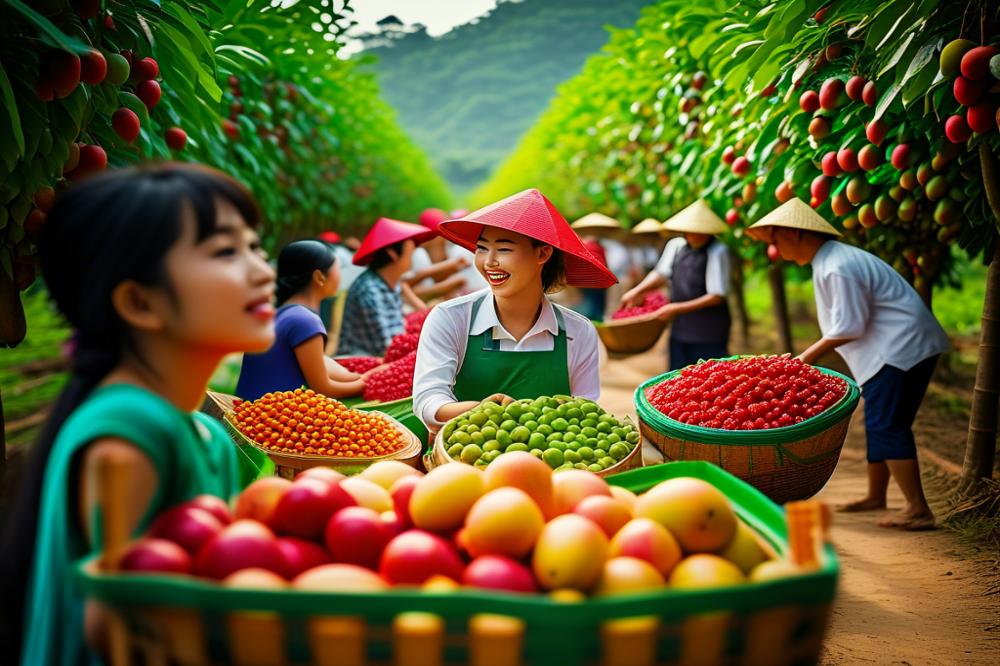
Exploring Vietnamese fruit harvesting Tours
Vietnam is famed for its vibrant landscapes and delicious tropical fruits. Travelers flock to this Southeast Asian nation not just for its stunning views, but also for the chance to engage in exhilarating fruit picking experiences. Visitors can immerse themselves in the lush orchards and taste the sweetness of fresh produce straight from the trees. Engaging in these activities goes beyond simple enjoyment; it offers a unique glimpse into the agricultural life of Vietnam.
The role of local guides in agritourism cannot be overstated. Knowledgeable locals bring invaluable insights about sustainable farming practices and the best times to harvest specific fruits. Without their expertise, tourists may miss the nuances of these agricultural traditions. Learning directly from the source enhances the overall experience, allowing guests to connect with the culture on a deeper level. These local fruit tours not only educate visitors but also sustain the communities that rely on farming for their livelihood.
Food tourism bridges the gap between culinary exploration and cultural experiences. Tasting fresh fruits while walking through orchards creates lasting memories. The process of harvesting encourages interaction between visitors and farmers, enriching the journey. Such encounters lead to a greater appreciation for the labor that goes into producing each bite. Eco-tours spotlight these connections, emphasizing environmentally friendly practices. Travelers leave with a sense of responsibility towards the future of agriculture.
In summary, Vietnamese fruit harvesting provides an exciting avenue for adventure seekers. By participating in local farm tours, tourists contribute to sustainable agriculture while deepening their understanding of Vietnamese culture. This interconnected experience highlights the beauty of food tourism, making each visit unforgettable.
Understanding Vietnamese Fruit Harvesting

Vietnam is home to a wide variety of tropical fruits. Unique flavors define many of these fruits. Rambutan, mango, lychee, and dragon fruit are just a few examples. Each fruit has its own harvesting season. This means there’s always something fresh to pick. Visitors can engage in fruit picking adventures across the country.
Harvesting Techniques and Practices
Farmers use several techniques to gather fruits efficiently. Many still rely on traditional methods passed down through generations. Climbing trees is common for fruits like rambutan. Others may use long poles to reach high branches. Local guides often share their expertise during farm tours. The guidance they provide helps visitors understand the best practices of harvesting.
The Role of Sustainable Farming
Sustainable farming is crucial in fruit production. It can help conserve natural resources and protect local ecosystems. Farmers often use organic methods to avoid chemical pesticides. This approach preserves the quality of the land and enhances the fruits’ flavors. An increasing number of agritourism initiatives promote these eco-friendly practices. Tourists participating in harvesting experiences can see these efforts firsthand. They gain insight into the importance of sustainability in food tourism.
Exploring local farms allows travelers to connect with farmers. As a result, these cultural experiences deepen appreciation for Vietnam’s agricultural heritage. Engaging with the land provides a unique perspective on food production. Whether it’s through eco-tours or hands-on fruit picking, there’s something rewarding about these journeys.
The Role of Local Guides in Fruit Harvesting Tours
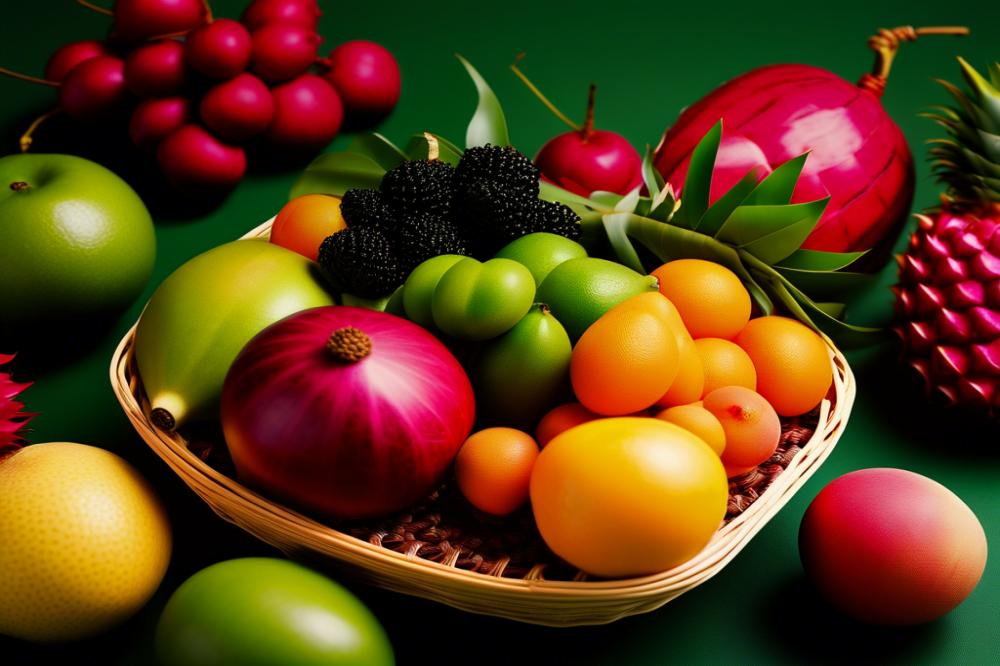
Having local experts as guides greatly enhances the experience of fruit picking in Vietnam. Their deep knowledge of the land makes the tours not just fun but also educational. With these guides, tourists gain insights into how various tropical fruits are grown and harvested. They show visitors the best techniques for picking, which adds a hands-on element to the adventure.
Traditional harvesting methods play a significant role in these tours. Local guides often demonstrate time-honored practices passed down through generations. They help visitors understand how different fruits are integrated into local diets. Such insights provide a richer appreciation of the agricultural lifestyle in Vietnam.
Cultural Significance of Fruit Picking
Cultural experiences abound during these farm tours. In many Vietnamese communities, fruit harvesting is more than just a way to gather food; it’s a vital part of their social fabric. The act of picking fruit is tied to family gatherings and communal celebrations. Locals often share stories about the agricultural traditions and rituals associated with the harvest.
Sustainable farming is another important aspect discussed on these eco-tours. Local guides emphasize the importance of preserving land and resources. They explain how traditional farming practices can coexist with modern techniques to protect the environment. Visitors often leave with a deeper understanding of agritourism and wildlife preservation.
The value of food tourism is highlighted on these tours as well. Travelers discover how fruit contributes to Vietnamese cuisine. Taste tests of freshly picked produce can leave a lasting impression. This experience allows guests to connect with the culture on a personal level while enjoying the vivid flavors of the region.
Ecotourism and Food Tourism: A Perfect Blend
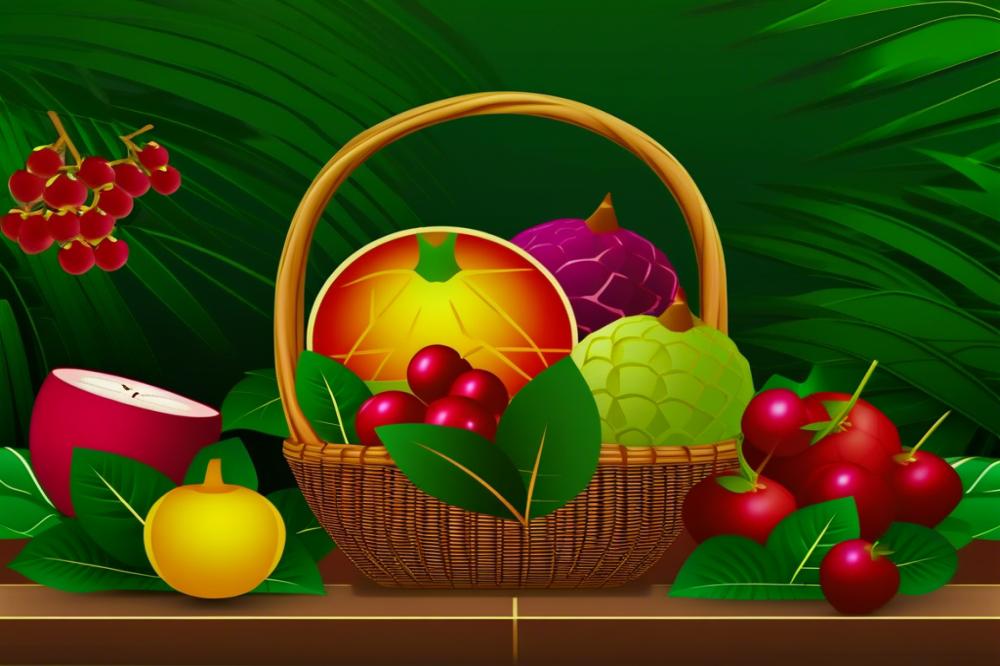
In Vietnam, eco-tours increasingly focus on fruit farms. These tours invite visitors to experience the joy of picking fresh tropical fruits. You can walk through vibrant orchards while learning about farming techniques. Local guides often share stories that highlight the culture of Vietnam. Engaging with farmers provides a unique insight into their daily lives. Such experiences create meaningful connections between travelers and locals.
Promoting sustainable agriculture is essential in today’s economy. Agritourism encourages locals to practice sustainable farming methods. Tourists also learn about the importance of protecting the environment. When visitors choose eco-tours, they support eco-friendly practices. This focus helps maintain the balance of nature while supporting farmers. By participating in these activities, travelers make responsible choices that benefit the Earth.
The impact of fruit picking tours on local economies is significant. Farm tours often lead to increased income for farmers. When travelers visit, they bring money that helps sustain families. Many communities rely on tourism to thrive. Local businesses, such as markets and food vendors, also benefit from this influx of visitors. Overall, these tours promote growth while respecting cultural experiences.
Planning Your Vietnamese Fruit Harvesting Tour
Best Regions for Fruit Harvesting Tours
When thinking about fruit picking in Vietnam, several regions stand out. The Mekong Delta is a prime location, filled with orchards offering a range of tropical fruits. You will find mangoes, lychees, and rambutan thriving here. Another area worth exploring is the southern province of Tien Giang. It is famous for its sweet, juicy pomelos and dragon fruits. Northeastern Vietnam also offers unique agritourism opportunities. The lush landscapes of the highlands yield plenty of fresh produce. Each region has its own special flavors. Local guides can introduce you to the best spots and help uncover hidden gems.
What to Expect on a Farm Tour
A typical farm tour will immerse you in local culture. Engage with farmers who are passionate about sustainable farming practices. These experts often share their knowledge about growing tropical fruits. Visitors can wander through fields, picking fruit directly from the trees. Taste sweet fruits right where they grow. You might also learn how to process these fruits into delicious jams or other products. The experience is often enriched by the stories of the farmers, adding depth to your visit. Enthusiastic tour guides will help you grasp the significance of each fruit within the community. It’s not just about the picking; it’s an educational adventure.
Tips for Maximizing the Experience
To make the most of your fruit harvesting journey, consider a few practical tips. Dress comfortably, and wear shoes suitable for walking through fields. Bring along a reusable bag for collecting fruits. Always be open to asking questions to your local guides. Their insights will enhance your understanding of the farming process. Participating in eco-tours allows you to see how food tourism can support local economies. Respecting the land and the people you meet will further enrich your trip. Embrace the cultural experiences that come with these activities. Remember, it’s about enjoying the moment while contributing to sustainable practices in marketing the fruits of Vietnam.
Wrapping Up the Experience
Fruit harvesting tours in Vietnam offer a special chance to connect with nature and the local community. Travelers benefit from firsthand experiences that showcase the region’s rich agricultural practices. Picking fruit alongside local farmers creates memorable moments and fosters an appreciation for their hard work.
Engaging with local farming communities goes beyond just enjoyment. It allows visitors to learn about sustainable farming methods while supporting the economy. Farmers are often eager to share their stories and traditions, which enhances the overall travel experience. By participating in these tours, travelers contribute directly to preserving these unique cultural practices.
The future of agritourism in Vietnam looks promising. As more tourists seek immersive experiences, there is an opportunity for growth in this sector. This trend not only supports local livelihoods but also promotes environmental sustainability. More travelers are likely to embrace opportunities that connect them to the land and its people.
In summary, taking part in these tours provides invaluable insights into Vietnam’s agricultural landscape while making meaningful connections. Going harvesting or fruit picking can make a trip more fulfilling. Those looking for a different type of adventure should consider this enriching experience.


