Introduction
Growing your own herbs and salad greens is not only satisfying but also offers a range of benefits. The freshness of homegrown ingredients enhances flavor and nutrition, giving meals a delicious twist. With the rising interest in sustainable gardening, people are more motivated to try DIY gardening at home. They enjoy knowing where their food comes from and how it is cultivated.
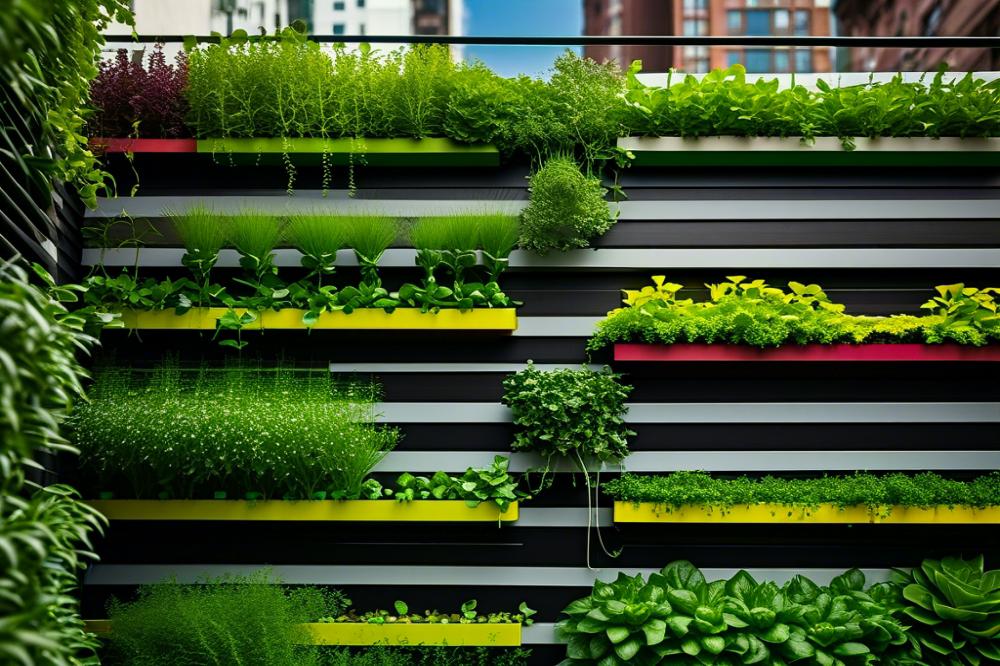
Space can be a significant issue for many urban dwellers. Living in a small apartment or house does not mean you have to skip gardening. vertical gardens present an efficient solution for those who want to elevate their gardening experience. This innovative approach allows for multiple plants to thrive in limited spaces. Whether using hydroponics or container gardening, this method makes the most of what’s available. Growing your own plants can be rewarding, particularly in crowded environments.
Throughout this article, we will focus on DIY vertical gardens specifically designed for salad ingredients. You’ll discover practical gardening tips that make it easy to get started. The aim is to help anyone, regardless of their gardening background, find success in edible gardening. From selecting the right herbs to setting up space-saving options, this guide will inspire you to embark on your urban gardening journey.
Understanding Vertical Gardens
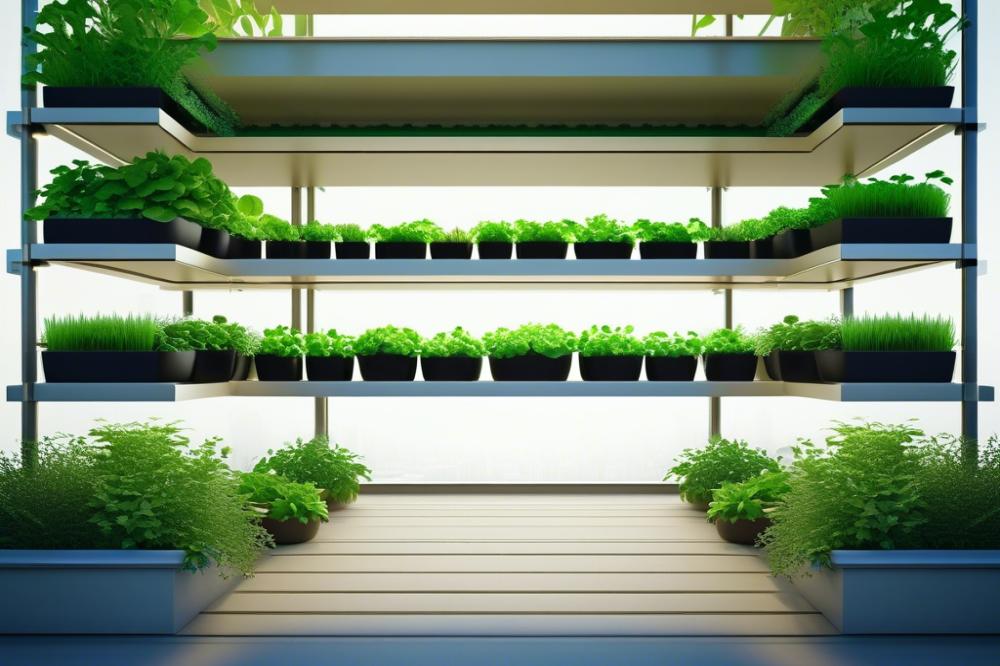
Vertical gardens offer a innovative way to grow plants in limited spaces. The concept focuses on utilizing vertical surfaces to cultivate various plants, primarily salad greens and herbs. This method can be beneficial for urban gardening, where outdoor space can be scarce.
Several types of systems can support vertical gardening. Hydroponics is one popular method, growing plants in nutrient-rich water instead of soil. Container gardening also plays a crucial role, allowing individuals to place pots on walls
Choosing the Right salad ingredients
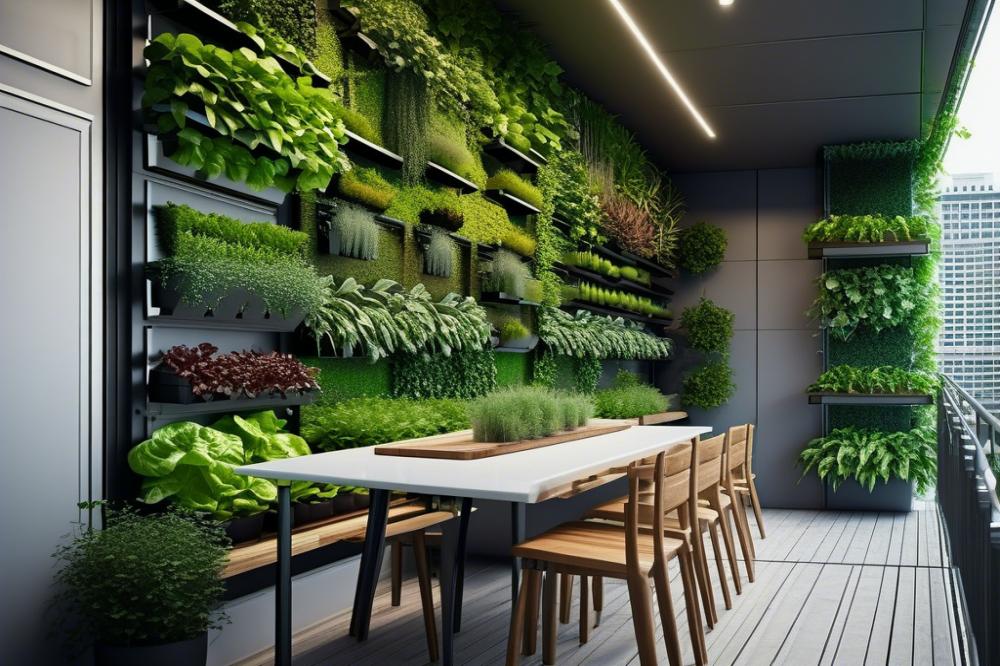
When starting a DIY vertical garden, it’s essential to select the right salad ingredients. Popular salad greens can flourish in small spaces, making them ideal for urban gardening. Lettuce varieties, such as romaine and butterhead, grow quickly and provide crisp leaves. Spinach is another standout; it thrives in cooler temperatures and offers a rich taste. Arugula, with its peppery flavor, is also a favorite for many salad enthusiasts. Other leafy greens like kale and Swiss chard deserve attention as well, as they boast impressive nutritional benefits.
Herbs can add a wonderful twist to your salads too. Basil, parsley, and cilantro are particularly easy to grow in containers. These herbs not only enhance flavor but contribute to a vibrant garden aesthetic. Mint is another great option; it’s hardy and can even help deter pests. Consider planting chives or dill for a touch of variety as they both adapt well to smaller spaces.
Choosing varieties suited for container gardening is important for a thriving garden. Look for plants that are known to perform well in confined areas. Compact varieties can survive with less soil and space, which is essential for vertical arrangements. Planning your garden layout is crucial. Mixing greens and herbs can create a beautiful visual appeal while being highly functional. Keep in mind that proper drainage and sunlight exposure are vital for sustaining growth.
Gardeners engaging in sustainable gardening practices should also consider the growth habits of their chosen plants. Hydroponics can provide a unique way to grow fresh ingredients without soil, which often results in faster growth. For those new to gardening, these tips can help prevent frustration and maximize yield.
Ultimately, the goal of edible gardening is to make fresh ingredients accessible in any setting. With thoughtful planning and selection, your vertical garden can become a reliable resource for salad greens and herbs. Remember to observe how each plant grows and adapt your choices based on what works best in your environment.
DIY Vertical Garden Structures
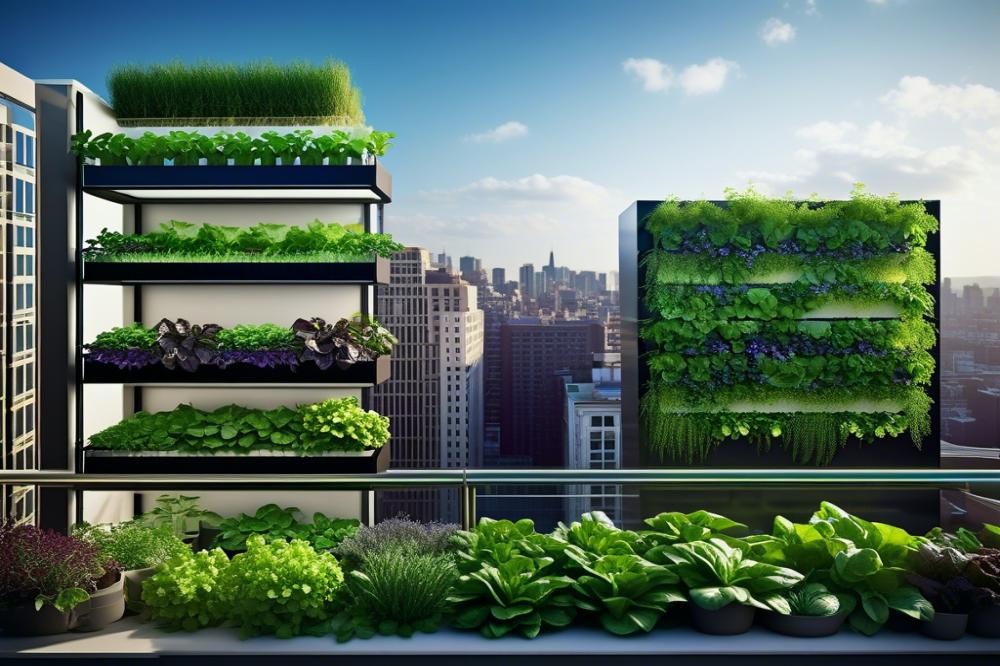
Materials Needed for DIY Vertical Gardens
Creating a vertical garden requires some basic materials. Planters are essential. Use pots that can hold soil and plants effectively. Shelves help display these containers in an organized way. Look for sturdy shelves that fit your space. You might also want hooks or brackets to stabilize your structure. Collecting these items beforehand simplifies the building process.
Step-by-Step Guide on Building a Simple Vertical Garden
Begin by deciding on a location. Choose a spot with adequate sunlight for salad greens and herbs. Gather your materials next, ensuring you have everything needed. Start by assembling the shelves against a wall or fence. Secure them firmly to avoid any collapses. After that, place the planters on the shelves. Fill each pot with quality soil suitable for container gardening. Now, plant your chosen seeds or seedlings. Spacing is important! Ensure each plant has room to grow. Water the plants after planting, but avoid overwatering. Finally, watch your garden flourish!
Tips for Incorporating Hydroponics into Vertical Gardening
Hydroponics introduces a unique twist to your garden. This method allows plants to grow without soil. Instead, they thrive in nutrient-rich water. Start small if you’re new to hydroponics. You will need a hydroponic system, which can include tubes or containers. Choose light varieties of salad greens or herbs that adapt well to water systems. Regularly check the water levels and nutrient balance. Your edible gardening experience improves with some practice. It not only saves space but also promotes sustainable gardening. Adjust your setup as needed to achieve the best results. There’s a lot of excitement in watching plants grow this way!
Ideal Growing Conditions
Light Requirements for Herbs and Salad Greens
Growing herbs and salad greens requires the right amount of light. Most leafy greens thrive in bright, indirect sunlight. A window with southern exposure is ideal for urban gardening. If natural light is limited, consider using grow lights. LED options are energy-efficient and provide necessary wavelengths for plant growth. Basil, spinach, and cilantro love around six hours of light daily. Remember to rotate containers regularly; this ensures even growth.
Soil vs. Hydroponic Growing Mediums
When deciding on a growing medium, both soil and hydroponics have benefits. Soil offers essential nutrients through organic matter. It’s a popular choice for DIY gardening projects. On the other hand, hydroponic systems require no soil at all. Instead, they use nutrient-rich water solutions. This method promotes faster growth and greater yields. Choose the medium that fits your lifestyle. Container gardening can work well with either approach, so select what suits your space.
Watering and Maintenance Tips
Watering is crucial for leafy greens. Check the moisture level regularly; too much or too little water can harm plants. A simple finger test can help you gauge moisture in the soil. For hydroponic systems, monitor the water solution’s pH and nutrient levels closely. Maintenance also means pruning. Regularly clipping herbs encourages bushier growth. Pests can be a challenge, so keep an eye out. Using natural repellents is a sustainable gardening practice. With careful attention, your edible gardening will flourish.
Sustainable and Edible Gardening Practices
Sustainable gardening has become a popular trend, especially in urban settings. Many people are seeking ways to grow their own food in limited spaces. The benefits are impressive. By adopting eco-friendly practices, gardeners can reduce waste and lower their carbon footprint. This approach helps cities bloom with fresh ingredients while promoting biodiversity.
Organic Practices for Pest Management and Nutrient Supply
Using organic methods offers a solution to common garden problems. Traditional pesticides can harm beneficial insects and pollinators. Instead, many people turn to natural pests repellents like garlic sprays or neem oil. These options are safer and can be made at home. Likewise, nurturing soil health through composting enriches vegetables and herbs with vital nutrients. Homemade compost also reduces food waste, which is a win for both the garden and the environment.
How Edible Gardening Contributes to Health and Wellness
There’s more to gardening than just aesthetics. Edible gardening provides fresh salad greens and herbs, which are vital for a healthy diet. Growing your own food means having access to produce that is free from harmful chemicals. Connecting with nature can also improve mental health. Studies show that spending time outdoors can reduce stress. Space-saving gardening techniques such as container gardening or hydroponics make it easier for anyone to start a garden.
Many seek gardening tips to enhance their urban gardening experience. Simple steps can lead to a fulfilling hobby that nourishes both body and mind. With unique gardening practices, more people are discovering the joy of cultivating their own food right at home.
Gardening Tips for Success
Common Challenges in Vertical Gardening and Solutions
Finding success in vertical gardening can come with its hurdles. One major issue is the limited space for roots to grow. When planting in small containers, choose herbs and salad greens with shallow root systems, like basil or lettuce. Regularly check for pests, as smaller plant spaces can lead to overcrowding. If you notice any infestations, consider introducing beneficial insects like ladybugs or using a mild soap spray.
Another concern is the amount of sunlight your plants receive. Hanging gardens or wall-mounted systems may not get adequate light. Situate them where they can bask in full sun for several hours a day. Supplementing with grow lights can also be beneficial during shorter days. Watering presents its own set of challenges. Container gardening often leads to drying soil, so establish a routine that ensures your plants remain hydrated without waterlogging.
Seasonal Considerations for Growing Herbs and Greens
Timing plays a crucial role in when to plant. Growing salad greens and herbs typically works best in the cooler months. In many regions, spring and fall are ideal for these crops. They thrive when temperatures are mild. Warmer months can stress your plants and hinder growth. Also, consider the weather patterns in your area. Some herbs prefer shade, especially in the summer, while others may require full sun.
Winter gardening brings about its own difficulties, particularly in colder climates. If you want to grow vegetables year-round, consider hydroponics or indoor setups. Use fresh lighting and maintain a stable environment. This allows you to enjoy fresh greens even in the dead of winter.
Encouragement for Experimentation and Continuous Learning
Gardening should always involve a spirit of experimentation. Don’t shy away from trying new techniques or plant varieties. Space-saving gardening opens the door for creativity. You might find that your salad ingredients can flourish in ways you never imagined. Engage with local gardening groups or online communities. Sharing your progress and gaining insights can enhance your experience.
Continuous learning is an essential part of any gardener’s journey. Every season offers new lessons. Keep a journal to track which plants thrive and which ones struggle. Adjust your methods accordingly. The process invites curiosity. With DIY gardening, mistakes can turn into valuable knowledge. Embrace challenges with an open heart, and let your gardening journey evolve.
Final Thoughts on Your Gardening Journey
DIY vertical gardens offer numerous benefits that go beyond aesthetic appeal. Growing your own salad ingredients right at home can provide a fresh supply of healthy produce, allowing you to enjoy salads with flavors that store-bought greens simply cannot match. There’s also the joy of caring for plants and watching them flourish. This rewarding process brings an invaluable connection to nature, even in bright city landscapes.
Starting your own project can feel daunting, but take heart. Every great gardener started somewhere. Dive into DIY gardening with a small herb or lettuce variety. You might be surprised at how quickly you can cultivate vibrant greens. Friends and family will surely admire your work, and sharing the harvest can create special moments, too.
Urban gardening has a profound impact on food security. With more people growing their own food, communities can become less reliant on distant suppliers. Local gardens can help reduce carbon footprints and encourage sustainable practices. Imagine a neighborhood where everyone contributes to a communal garden. Together, we can create a system that supports not just individual households but entire communities.
Your journey towards creating a vertical garden can start today. Embrace the challenge and the joys it brings. The path is rewarding, and the outcomes can be delicious and fulfilling. So gather your materials, look to the sky, and start transforming your vertical spaces into green havens. Happy gardening!