Growing Your Own Food
As more people turn to urban living, the desire to grow your own food has become increasingly important. Many individuals recognize the benefits of having fresh produce right at their fingertips. This connection to food cultivates a sense of satisfaction and pride that store-bought items cannot match. Fresh ingredients, such as tomatoes, introduce flavor and nutrients to our meals, improving overall health.
beginner gardening and the Joy of Tomatoes
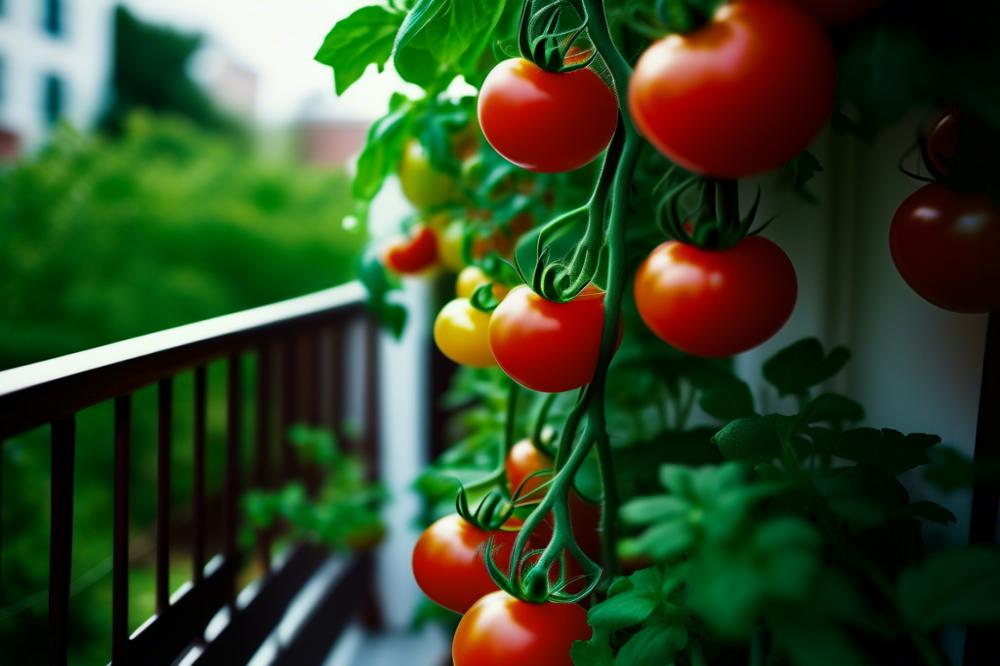
For those new to gardening, tomatoes present a perfect starting point. These plants are not only easy to grow, but they also yield delicious fruit. Beginners can experiment with various tomato varieties, including popular types like cherry tomatoes. When planting, it’s helpful to have straightforward gardening tips on hand. Understanding sunlight requirements and watering tomatoes becomes crucial to successful growth.
small space gardening in Urban Areas
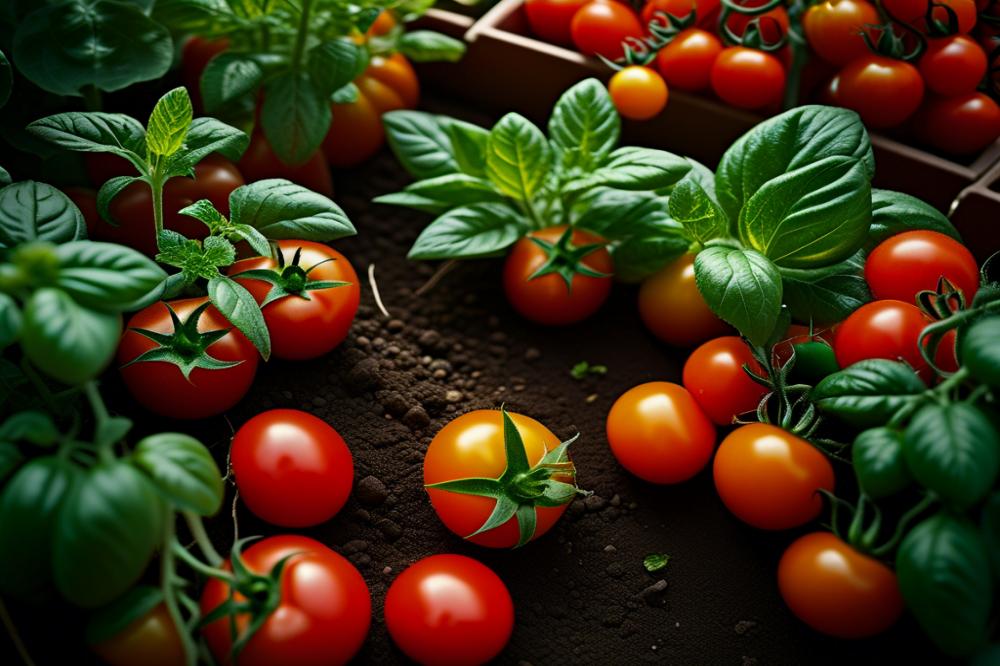
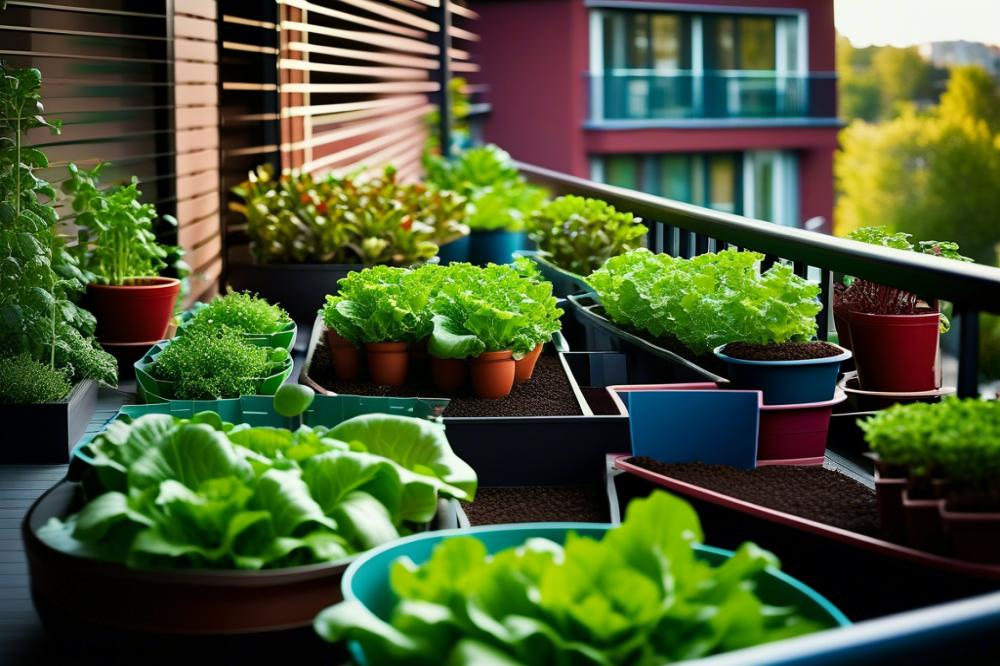
small space gardening opens up possibilities for anyone living in an apartment or a house with limited outdoor areas. container gardening offers a suitable solution, allowing you to cultivate plants in pots on a balcony or patio. Indoor tomatoes thrive in sunny windows, making it possible to enjoy gardening without a yard. The urban environment challenges traditional gardening methods, but creativity can flourish. Learning about pest control is essential. Keeping plants healthy involves safeguarding them from unwanted insects and diseases.
Conclusion
In summary, as you embark on this journey of growing your own food, remember the unique joys that tomato growing brings. Whether you’re exploring small space gardening or delving into beginner gardening adventures, the experience will enrich your life. Fresh produce is more accessible than you think, and the benefits make the effort worthwhile.
tomato growing Basics
Starting out in gardening can be exciting, especially when it comes to growing tomatoes. Several varieties thrive in small spaces, making them ideal for beginner gardening. container gardening opens up many options, helping you enjoy fresh produce right at home.
Tomato Varieties Suitable for Small Spaces
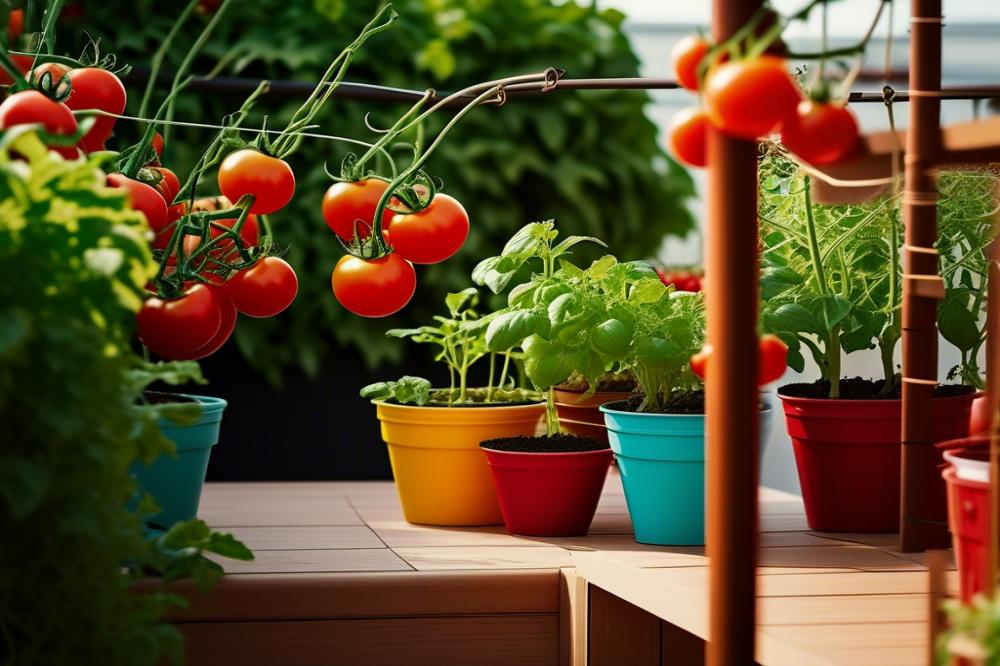
Cherry tomatoes stand out as a popular choice among urban gardeners. Their compact size and quick growth make them perfect for pots or even hanging baskets. Other suitable options include determinate types that grow to a fixed height. These plants are bushier and do not require staking, which is helpful for beginners.
Choosing Between Determinate and Indeterminate
Indeterminate varieties continue to grow and produce fruit throughout the season. They require support structures like cages or stakes. On the other hand, determinate types focus their energy on a single, bountiful harvest. For those with limited space, opt for bush varieties. They tend to require less maintenance.
Key Requirements for Healthy Tomato Plants
Every gardener must consider sunlight requirements. Tomatoes love the sun and need at least six hours of direct sunlight daily. Good airflow is also crucial to prevent diseases. Notably, watering tomatoes consistently helps them thrive but avoid overwatering. The soil should be moist but not soggy.
Pest control plays a significant role in plant health. Be on the lookout for aphids and other common pests. Quick action can prevent bigger issues. Using organic pesticides or natural deterrents can be quite effective.
In summary, beginner gardeners can grow tomatoes successfully in limited spaces. Selecting the right varieties, meeting their sun and water needs, and managing pests will lead to fruitful rewards.
Indoor Tomatoes and Container Gardening
Benefits of Growing Tomatoes Indoors
Growing tomatoes indoors offers several advantages. First, it allows for year-round access to fresh produce. For those in urban areas, indoor gardening can be a fulfilling hobby. It’s especially beneficial during colder months. Cherry tomatoes are popular choices due to their compact size. Another plus is that indoor gardens are less susceptible to pests. You can control the environment better, which helps in managing sunlight requirements.
Choosing the Right Containers for Tomatoes
Selecting a suitable container is crucial for success. Opt for pots that are at least 5 gallons in size. This provides ample space for root growth. Drainage holes at the bottom are essential—without them, roots can rot from excess water. Look for materials like plastic, ceramic, or fabric. Each type has its benefits, but ensure they are lightweight for easy movement if necessary.
Soil and Drainage Considerations
The right soil mix can make a difference in growth. A blend designed for container gardening works well. Adding perlite or vermiculite improves drainage, which is vital for healthy plants. Soil should retain moisture without becoming soggy. Monitor how often you water your tomatoes. A well-draining mix helps prevent common problems such as root rot.
Best Practices for Container Gardening with Tomatoes
When starting out, maintain consistent watering. This helps your plants thrive. Watering tomatoes requires attention, as too little or too much can lead to issues. Use a fertilizer high in potassium and phosphorus for better fruits. Pruning is also beneficial to encourage growth. Remove unnecessary leaves to improve airflow around your plants.
Light is another critical aspect to consider. Position your containers near a sunny window to meet sunlight requirements. If natural light isn’t enough, consider grow lights as a supplement. Not all tomato varieties do well indoors, so research which types, like determinate and indeterminate, suit your setting.
Lastly, keeping an eye on pest control will protect your indoor garden. Monitor plants regularly for signs of pests. Simple measures, like using neem oil or insecticidal soap, can be effective. Following these beginner gardening tips will help you enjoy a rewarding experience with your indoor tomatoes.
Sunlight Requirements and Placement
Understanding sunlight needs for tomato plants is crucial for success. Most tomato varieties, including popular cherry tomatoes, thrive on full sun. Aim for at least six to eight hours of direct sunlight each day. Without adequate light, plants may struggle to produce fruit and could face a higher risk of pests and diseases.
Finding ideal locations for growing tomatoes in small spaces can be challenging. Balconies, patios, and sunny windowsills are great options. If you’re using container gardening methods, consider placing pots in areas that catch the sun. Vertical gardening can also help maximize limited space while still providing the needed sunlight.
Maximizing sunlight exposure in urban gardening involves some strategizing. Move pots to follow the sun throughout the day. Reflective surfaces, such as light-colored walls or fences, can help direct extra light towards your plants. Choosing smaller tomato varieties can also assist in making the most of your growing area. Planning your layout efficiently will lead to more vibrant, productive plants.
Indoor tomatoes need special consideration for light. Grow lights can supplement natural sunlight in darker spaces. When using artificial sources, aim for around 12 to 16 hours of light daily. This guarantees your plants receive enough energy to produce fruit, even indoors.
Remember to combine these sunlight strategies with proper watering tomatoes. A healthy plant requires balanced moisture levels and adequate nourishment. Following these beginner gardening tips can make a significant difference in your gardening journey.
Watering Tomatoes: Essentials for Success
Optimal watering techniques are crucial for growing healthy tomatoes. Newly planted seedlings require a gentle touch. Use a watering can or a hose with a spray nozzle. Consistency matters most with the process. Daily checks on soil moisture help beginners gauge the right amount. Container gardening often leads to quicker drying out, especially during hot summer days. The rule of thumb is to provide about one inch of water each week, either from rainfall or manual irrigation.
Signs of Overwatering vs. Underwatering
Recognizing the signs of unhealthy watering habits is key. Yellowing leaves often indicate overwatering. Roots suffocate in waterlogged soil. Conversely, underwatering shows in wilting leaves. Fruits may crack if the plant experiences drought followed by heavy watering. Cherry tomatoes especially can suffer from poor hydration. Watching closely for pests is vital as stress can attract unwanted insects.
Importance of Consistent Watering Schedules
Maintaining a consistent watering schedule is essential for tomato varieties to thrive. Early morning is the best time for watering, allowing plants to soak up moisture before the heat. Urban gardening often limits water retention due to potting soil used in containers. Adjusting based on sunlight requirements can also help maximize growth. Remember not to let the pots sit in water; sufficient drainage is crucial. This simple technique can lead to abundant harvests.
Gardening Tips for Beginners
Starting an adventure in gardening can be exciting. Many novice gardeners often feel overwhelmed. A few simple strategies can help ease that anxiety. Begin by choosing the right tomato varieties. Cherry tomatoes are perfect for small spaces and container gardening.
First, consider whether to start with seeds or seedlings. Seeds require more time and care but can be rewarding. If you prefer a quicker start, look for healthy seedlings at a local garden center. Transplanting seedlings is easier than it seems. Choose a pot that is at least 5 gallons in size for each plant. This allows enough room for the roots to grow.
Creating a supportive environment for growth is essential. Tomatoes need about six to eight hours of sunlight each day. Make sure to place your pots in a sunny spot. If gardening indoors, choose a location near a window that gets ample light. Supplemental grow lights can also be beneficial during shorter days.
Watering tomatoes regularly is crucial. Keep the soil moist, but don’t let it get soggy. Overwatering can cause root rot. A good rule is to check the top inch of the soil. If it’s dry, it’s time to water. Also, ensure proper drainage in your containers. Using pots with holes at the bottom helps prevent water from sitting at the roots.
Pest control is another important aspect of beginner gardening. Examine your plants regularly for signs of pests. Natural solutions like neem oil or insecticidal soap can be effective. Applying these treatments in the early stages of an infestation can save your plants. Keep a close eye on any changes in your plant’s health.
Urban gardening can present challenges but offers great rewards. Utilizing vertical space can maximize your growing area. Consider hanging baskets or shelving units for pots. This approach not only saves space but also adds a decorative touch to your home.
Pest Control and Plant Health
Common pests that affect tomato plants
Tomato plants can attract several pests. Aphids are tiny insects that suck sap, weakening your plants. Another common pest is the tomato hornworm. These caterpillars can eat entire leaves overnight. Whiteflies, alike aphids, can transmit diseases and cause significant damage. Spider mites thrive in dry conditions, creating webbing that hinders growth. Keeping an eye on your plants is key. Regular inspections help catch these pests before they become a problem.
Organic pest control methods
Many gardeners prefer organic methods for pest control. Introduce beneficial insects, such as ladybugs and lacewings. They can naturally keep aphids and other pests in check. Creating a spray using soap and water can also deter unwanted bugs. Homemade neem oil is another excellent option. This oil comes from the seeds of the neem tree. It disrupts the life cycle of pests without harming your plants. Planting herbs like basil nearby can repel pests while enhancing flavors in your crops.
Maintaining plant health and preventing disease
Healthy plants are less susceptible to pests and diseases. Sunlight is crucial for growth, so make sure your tomatoes get enough exposure. Container gardening is ideal for limiting diseases as it reduces soil-borne issues. Rotate your crops each season to prevent nutrient depletion and disease buildup. Proper watering is also vital. Overwatering or allowing your plants to dry out too much can stress them. Offer balanced nutrition through organic fertilizers for robust growth. Focusing on these factors can lead to thriving cherry tomatoes or other unique tomato varieties. Remember, healthy plants can resist more challenges in urban gardening or indoor tomatoes.
Wrapping It Up
Growing tomatoes can be a rewarding experience for anyone, especially for beginners. Remember the essential tips shared throughout this article: choose the right variety, provide adequate sunlight, and water carefully without overdoing it. Container gardening is an excellent way to start if you are limited in space. This method allows for easy maintenance and can even add beauty to a small balcony or patio.
Start your gardening journey with confidence. Each step you take brings you closer to enjoying the taste of homegrown fruit. Do not let a lack of experience hold you back; everyone has to start somewhere. There is a community of fellow growers out there, ready to share their tips and support. Gardening can be as simple or as detailed as you wish, so pick your approach and dive in!
Growing your own food not only provides a sense of accomplishment but also connects you to nature. Watching a seed transform into a bushy plant can bring joy that is hard to match. Each tomato harvested is not just a product; it’s a story of effort, patience, and care. Embrace the journey, make mistakes, learn, and most importantly, enjoy every moment in your beginner gardening endeavor.