Introduction
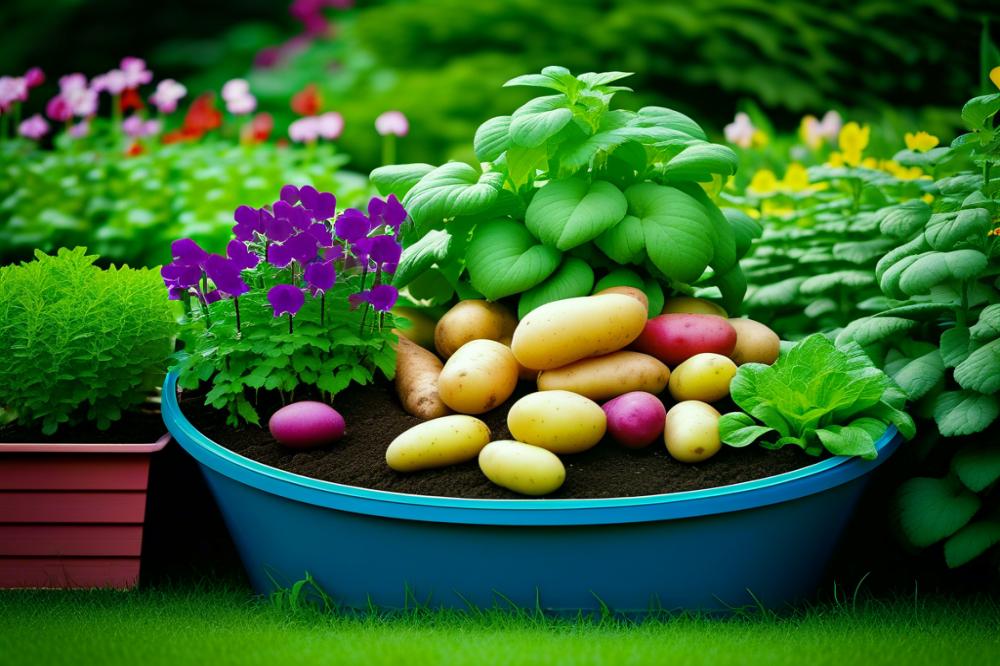
container gardening opens up a world of possibilities for those who want to cultivate their own food. Even in small spaces, it allows for a thriving garden. growing potatoes in small containers is an excellent way to enter the realm of DIY gardening, especially for beginners. This method not only serves as a fun project but also yields delicious organic potatoes right at home.
Home gardening has a vital role in today’s world. It helps reduce dependence on store-bought produce and encourages self-sustainability. Urban gardening offers a practical solution for those in cities, where traditional gardening may not be feasible. tubers like potatoes can thrive in pots, providing an opportunity for anyone to participate in vegetable gardening.
Many people appreciate the ease of managing different potato varieties. By using containers, gardeners control soil conditions better. Container soil allows for a rich, nutrient-dense environment that enhances growth. growing potatoes in this manner delivers both satisfaction and a rewarding harvest. Plus, it can be a fun way to teach kids about where food comes from, showing them that nature can be near even in a bustling city.
Gardening tips abound for those venturing into this small space gardening activity. Whether for enjoyment or nourishment, the benefits of cultivating your own food are clear. It creates a deeper connection to the food we eat, making every bite more flavorful and fulfilling.
Understanding container gardening
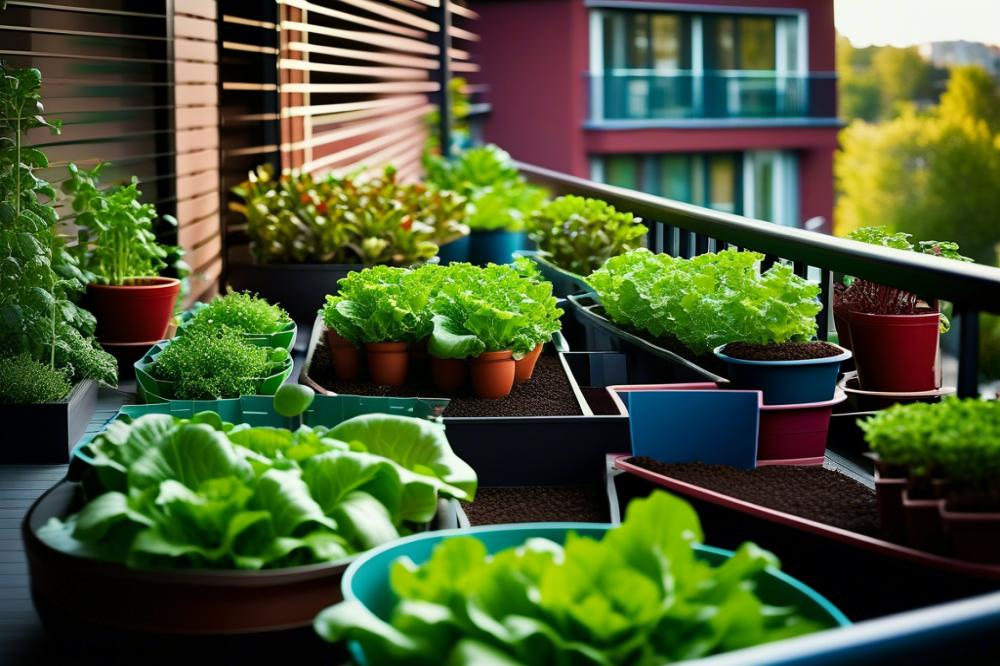
Container gardening is growing plants in pots or other types of containers instead of in the ground. It offers great flexibility for those with limited space. Many people living in cities or small homes embrace this method. Using containers can turn balconies, patios, or even windowsills into productive growing areas. This approach is perfect for anyone interested in small space gardening.
Urban gardening continues to rise in popularity as more individuals seek to grow their own food. Those living in apartments or homes with tiny yards can still enjoy the benefits of producing their vegetables. Moreover, it is an ideal solution for those who may not have access to traditional garden plots. Potatoes, for example, can thrive in containers, making them a popular choice for DIY gardening.
Growing vegetables like tubers in smaller spaces has its advantages. First, container soil can be specially formulated for drainage and nutrient retention. This allows for faster growth and healthier plants. Additionally, the mobility of pots means gardeners can move them to soak up sunlight or shelter them from harsh weather. Unique potato varieties can flourish when conditions are just right.
Home gardening with containers also allows for organic potatoes to be cultivated without the use of harmful chemicals. Many enthusiasts appreciate the chance to experiment with different types of soil and fertilizers. Along with that, this method encourages creativity and personalization in vegetable gardening. Beginners can easily find gardening tips online and learn about managing crops effectively.
Managing container gardens often requires less physical space and effort. Watering and monitoring plants can become part of one’s daily routine without it taking too much time. This convenience makes it suitable for those with busy lifestyles. In urban areas where land is at a premium, growing food in pots provides a sustainable option for food production—one that needs far fewer resources compared to traditional farming.
Choosing the Right Container
Types of Containers for Potato Growing
Growing potatoes can be a rewarding experience, especially in small spaces. Several types of containers work well for this purpose. Large buckets, fabric grow bags, and traditional pots are popular choices. Each option has its own benefits. Fabric bags allow for good airflow, while buckets retain moisture. Don’t overlook repurposed items like old tires or barrels. These can provide a unique twist to home gardening.
Key Factors to Consider: Size, Drainage, Material
Selecting the right container involves a few key factors. Size is essential. Potatoes like room to grow, so go for containers that hold at least 5 gallons. For those who want to plant several tubers, larger options are ideal. Drainage is equally important. Potatoes rot easily if they sit in water. Drill holes in the bottom of your container to allow excess water to escape. Material also plays a role. Plastic, wood, and metal each have advantages. Plastic is lightweight and easy to move, while wood offers natural insulation. Choose a material that fits your environment and aesthetic.
DIY Gardening Ideas for Crafting Your Own Potato Containers
Crafting your own containers can be a fun and creative endeavor. Consider using old wooden pallets to build a sturdy frame. You can fill the frame with soil to create a raised bed effect. Alternatively, transform used storage bins into plant homes. Cut holes in them for drainage, and fill with nutrient-rich container soil. Another option is to stack large tires. This method not only provides depth for potatoes but also adds to the visual appeal of your urban gardening space. With some ingenuity, the possibilities are endless. Try incorporating different potato varieties to experience a range of flavors right from your backyard.
Selecting the Right Potato Varieties
Overview of Popular Potato Varieties for Container Gardening
When it comes to growing potatoes in small containers, choosing the right type can make all the difference. Some popular potato varieties include ‘Yukon Gold’, ‘Red Pontiac’, and ‘Charlotte’. Yukon Gold is known for its creamy texture and buttery flavor, perfect for mashing. Red Pontiac has a striking red skin and works well in salads. Charlotte, on the other hand, is a firmer option that shines in boiling or steaming. All of these tubers flourish in limited spaces, making them ideal candidates for home gardening.
Considerations for Choosing Seed Potatoes
Selecting seed potatoes involves a few important factors. First, consider the size of your containers. Smaller pots can accommodate new or fingerling varieties, while larger containers are suitable for full-sized potatoes. Quality is another key aspect. Ensure you buy certified seed potatoes to prevent diseases that affect vegetable gardening. Purchasing from local sources can also help you find varieties that grow well in your climate. Look for tubers that are firm and free of blemishes. This way, you’ll give your plants the best chances to thrive.
Benefits of Growing Organic Potatoes at Home
Growing organic potatoes at home benefits both the gardener and the environment. First, cultivating your own potatoes minimizes pesticide exposure. Organic gardening leads to healthier soil and a more diverse ecosystem. Convenience is another advantage. You can harvest fresh potatoes just steps from your kitchen. Engaging in DIY gardening also provides a satisfying hobby. Plus, harvesting your own produces a sense of accomplishment. Urban gardening can turn even the smallest balcony into a productive space. Additionally, potatoes can grow well in nutrient-rich container soil, which is easy to manage. With a bit of effort, you can enjoy delicious, organic potatoes right from your own patch.
Container Soil and Preparation
Best soil mix for potatoes in containers
Creating the perfect soil mix is an essential step for growing potatoes in small containers. A combination of potting soil, compost, and perlite works well. Potting soil provides structure, while compost adds vital nutrients. Perlite helps maintain good drainage, which is crucial for tubers. Mixing these ingredients ensures your potatoes have the best start. Organic potatoes thrive in rich, well-draining soil. Choosing the right mix can make or break your home gardening efforts.
How to prepare container soil for optimal growth
Preparing your container soil requires a few simple steps. Start by gathering your materials, including the previously mentioned soil mix. Fill the container about one-third full with potting soil. Then, add a layer of compost, which can be homemade or store-bought. This layer not only enriches the soil but also improves moisture retention. Finally, top it off with more potting soil. Mixing it gently will integrate the layers, making it ready for planting. Water the soil until it’s evenly moist but not soggy. Allowing the soil to settle is key before placing the seed potatoes.
Importance of nutrients and compost in vegetable gardening
Nutrients play a significant role in growing healthy vegetables. Potatoes, being heavy feeders, need ample nutrients. Compost serves as a slow-release fertilizer, providing ongoing nourishment. In DIY gardening, using compost improves soil health and structure. It contains beneficial microorganisms that promote growth. When planting different potato varieties, nutrient-rich soil helps maximize yields. Urban gardening often poses challenges, but understanding soil needs simplifies the process. A well-prepared container soil not only supports plant growth but also leads to a successful harvest. Gardening tips highlight compost as a game-changer in small space gardening. With attention to nutrient balance, your potato plants will flourish.
Planting Potatoes in Containers
Growing your own organic potatoes in small containers is a fun way to dive into home gardening. This step-by-step guide will help you plant seed potatoes effectively. First, choose your seed potatoes. They should be firm and free of blemishes. Look for different potato varieties to increase your harvest diversity.
Step-by-step guide on planting seed potatoes
Start by preparing your containers. Use pots that are at least 12 to 18 inches in diameter. Drainage holes at the bottom are critical. Fill the container with quality container soil, leaving about four to six inches of space at the top.
Next, it’s time to plant. Cut large seed potatoes into pieces, ensuring that each piece has at least one eye. Let the cut pieces sit for a day or two to prevent rot. Place the seed potato pieces into the container. Cover them with another layer of soil.
Spacing and depth considerations
In terms of spacing, it’s best to plant two to three seed potatoes per container. Keep them about six inches apart. This will provide enough room for the tubers to grow. The optimal planting depth is around four to five inches beneath the soil surface. As the plants grow, you will need to add more soil to the container, a process called hilling. This encourages more tuber production.
Tips for positioning containers for sunlight
Finding the right spot for your containers is key. Potatoes love sunlight, so aim for a location that receives at least six hours of direct sunlight each day. If you are in an urban setting, think about placing them on a balcony or patio. Avoid shaded areas where plants might struggle.
Remember to rotate your containers if possible. This helps prevent any uneven growth. Good air circulation can also make a difference. Keep in mind these gardening tips as you nurture your potato plants. They will reward you with a bountiful harvest.
Caring for Your Potato Plants
Watering Needs and Container Moisture Management
Maintaining the right moisture level is crucial for tubers. Potatoes thrive in soil that is consistently moist but not soggy. Watering should be done regularly, especially during dry spells. Check the top layer of your container soil; it should be slightly dry before you add more water. Overwatering can lead to rot, while underwatering may result in stunted growth. You can use drip trays to help manage excess water. Monitoring changes in the weather is also wise. If it’s particularly hot, you may need to increase your watering frequency. Remember, small space gardening sometimes requires paying closer attention to moisture.
Fertilization Tips for Healthy Growth
Healthy growth depends on proper nutrients. Organic potatoes benefit from fertility boosts throughout their lifecycle. An all-purpose fertilizer or a fertilizer formulated for vegetable gardening works well. Apply it when planting and again when plants are about a foot tall. Many gardeners use compost for added nutrients. It can enrich container soil and promote robust growth. When using fertilizers, be careful to follow the instructions. Avoid over-fertilizing, as this can cause more harm than good. Trying various potato varieties might also reveal which ones thrive best under your fertilization routine.
Managing Pests and Diseases in Home Gardening
Pest management is an essential part of growing potatoes. Aphids and beetles can target plants, so inspection is important. Early detection often means easier control. Many home gardeners rely on organic methods to manage pests. Planting companion plants can act as a deterrent. Additionally, using insecticidal soap may help combat larger infestations. Diseases sometimes affect crops, especially if conditions are humid. Fungal infections can be minimized by opting for disease-resistant potato varieties. Regularly rotating crops in DIY gardening also promotes healthy soil. Keeping your containers clean can prevent pests and diseases from spreading.
Harvesting and Storing Potatoes
When and How to Harvest Potatoes from Containers
Harvesting your potatoes is one of the most exciting moments in small space gardening. Timing plays a critical role in this process. Generally, you should wait until the leaves turn yellow and start to die back. This typically occurs 70 to 90 days after planting. Gently remove the layers of the container, being careful not to damage the tubers inside.
Start by loosening the soil at the bottom. Use your hands or a small garden trowel to avoid breaking the potatoes. Once you’ve freed them, gently lift them out. Various potato varieties may mature at different rates, so keep an eye on your specific plants.
Best Practices for Storing Harvested Tubers
Storing your harvested tubers properly is important for keeping them fresh. Begin by brushing off excess soil without washing them. Washing can lead to quicker spoilage. Place the potatoes in a cool and dark location. Ideal temperatures are around 45 to 50 degrees Fahrenheit.
Use a breathable container for storage, such as a burlap sack or crate. This allows air circulation and prevents moisture buildup. Avoid areas with high humidity as they can lead to rot.
Tips for Extending the Shelf Life of Your Home-Grown Potatoes
To maximize the shelf life of your organic potatoes, consider a few key tips. Keep potatoes away from direct sunlight. Light can cause them to sprout and become bitter. Also, check regularly for any signs of spoilage. Remove any sprouted potatoes to prevent them from affecting the others.
Another technique involves placing an apple in your storage container. The ethylene gas from the apple can help delay sprouting. Furthermore, don’t store potatoes near onions. This may lead to faster decay.
Whether you’re into vegetable gardening or just starting with DIY gardening, these simple practices will aid in preserving your harvest for future meals. Remember, urban gardening can yield fantastic results when done correctly, especially with proper storage methods. Use these gardening tips to enjoy your home gardening efforts for months to come.
Wrapping Up Your Potato Adventure
Growing potatoes in small containers offers many advantages. For one, it lets you enjoy the pleasures of fresh produce, even if you have limited outdoor space. This method is perfect for small space gardening, allowing anyone with a balcony or patio to cultivate their own delicious tubers. Moreover, container gardening is easier on the back and knees. There’s something satisfying about reaching down into a pot and pulling out your homegrown potatoes.
Consider giving it a try. The experience of nurturing plants from seed potato to table is rewarding. With just a few simple steps, novices and experienced gardeners alike can grow flavorful varieties. Your family and friends will be amazed when you serve them the fruits of your labor!
Before you start, remember some essential tips. Always choose the right size container. Too small, and the tubers won’t thrive. Water regularly without flooding; soil should be moist but not soggy. Sunlight matters too—potatoes need plenty of it. Look for a sunny spot on your patio or balcony. Finally, don’t forget to check for pests and diseases. Keep things clean, and you’ll have a fruitful harvest.
In conclusion, adventuring into potato cultivation can be both fun and educational. By embracing small space gardening, you open up opportunities to grow your own food while enjoying the outdoors. So grab those seed potatoes, get your containers ready, and watch your garden grow!