Maintaining fresh lettuce and Herbs All Year
fresh lettuce and vibrant herbs play a vital role in our diets. They not only enhance the flavor of meals but also add essential nutrients. Many people appreciate the crispness of salad greens straight from the garden. Growing your own greens can feel rewarding and empowering. It allows for control over what goes into your food. This means reducing exposure to harmful pesticides often found in store-bought options.
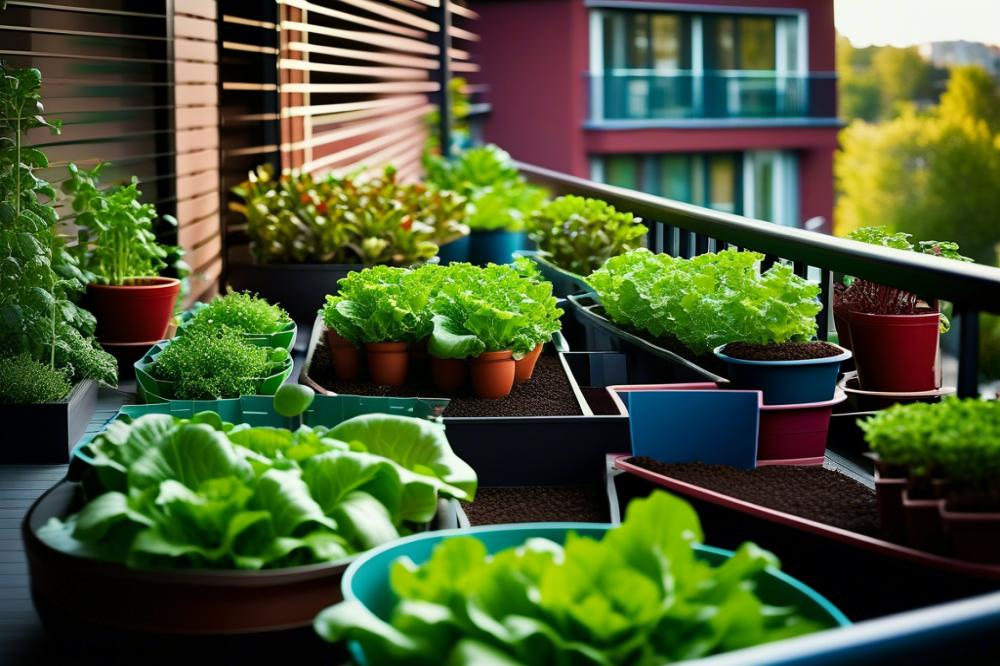
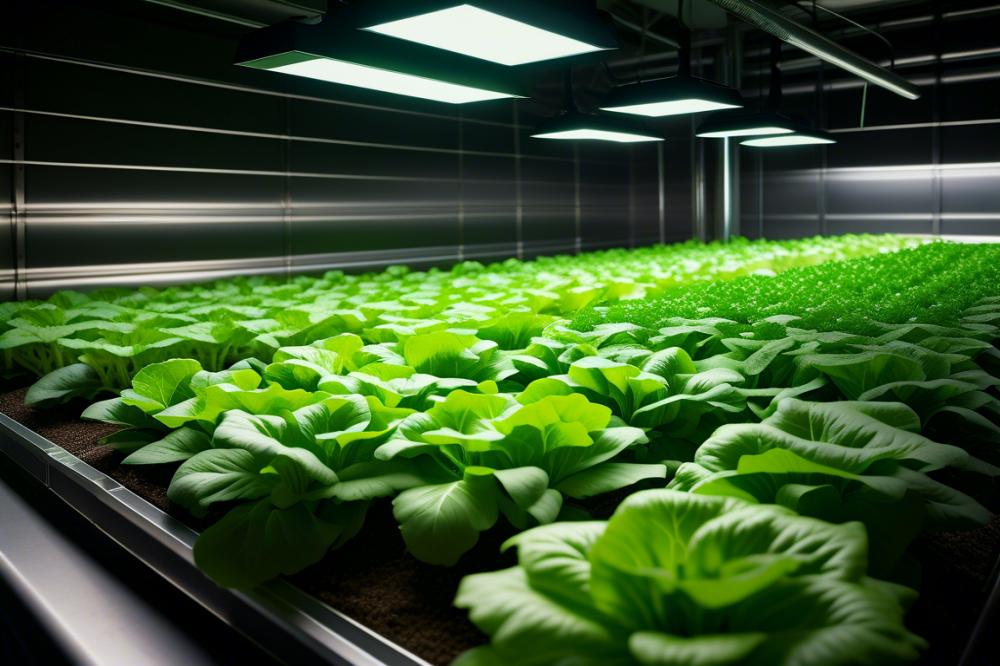
year-round gardening offers various methods suited for different environments. hydroponics stands out as a unique approach, allowing plants to grow without soil. This technique can thrive indoors, making it perfect for city dwellers with limited space. Indoor gardening, a popular practice, gives you the ability to cultivate greens regardless of the season. By using grow lights and maintaining appropriate temperature control, it is possible to create an ideal environment for growth.
Soil health also plays an important role in herb cultivation. When the soil is rich in nutrients, plants thrive even more. Regular plant care ensures your vegetables and herbs remain healthy. Understanding light requirements for different plants can optimize growth. Likewise, mastering proper watering techniques can prevent issues like root rot. These practices promote healthy plants that yield fresh produce throughout the year.
Incorporating organic gardening principles can further enhance your experience. This environmentally friendly approach fosters a sustainable way of gardening. By composting and avoiding synthetic additives, the garden becomes a natural ecosystem. You’ll find growing your own salad greens not only benefits your meals but also brings a sense of satisfaction. The joys of nurturing plants throughout all seasons can lead to a lifelong passion.
Understanding Fresh Lettuce
Types of Lettuce Suitable for Indoor Gardening
Different types of lettuce thrive in indoor gardening settings. Leaf varieties, such as butterhead and looseleaf, grow fast and are perfect for hydroponics. Romaine is also a popular choice. This variety does well in containers and offers crunchy texture. Growing these plants indoors can yield nutritious salad greens throughout the year. They don’t need deep soil, so potting them in shallow trays works great. For those who want to explore more, consider mesclun mixes for diverse flavors. Each type has unique growing needs, so read about them before planting.
Nutritional Benefits of Fresh Lettuce
Lettuce provides various health benefits. This leafy green is low in calories and high in vitamins A and K. Eating lettuce can support good vision and strong bones. It also contains antioxidants that help protect the body from damage. Additionally, lettuce has high water content, which aids in hydration. Incorporating it into daily meals promotes a healthy diet. When you grow your own, you can enjoy fresh ingredients without harsh chemicals. Organic gardening allows for safe options that nurture both body and planet.
Common Pests and Diseases Affecting Lettuce
Pests often threaten lettuce growth, even in controlled environments. Aphids and slugs are common culprits. These insects can damage leaves and stunt overall plant growth. Regular inspection can help catch these problems early. Diseases like downy mildew or lettuce drop may also occur. Maintaining soil health is vital to prevent diseases. Good air circulation and proper watering techniques also play a crucial role in plant care. It’s important to monitor humidity levels, as too much moisture can invite problems. Managing these issues ensures a bountiful harvest of vibrant greens.
Hydroponics for Fresh Lettuce and Herbs
Overview of Hydroponic Systems
Hydroponics is a method of growing plants without soil. Instead, plants receive nutrients from a water solution. Various systems exist for hydroponic gardening. Deep water culture, nutrient film technique, and aeroponics are among the most common. Each system has its own mechanics, but they all have one goal: to provide plants with nutrients and support. Many people choose this method for indoor gardening because it can easily fit into small spaces.
Benefits of Hydroponics for Year-Round Growth
Growing plants in hydroponics offers numerous advantages, especially for year-round gardening. This method allows for better control over plant care, leading to healthier crops. Without soil, there are fewer pests and diseases to manage. Temperature control becomes easier too. Plants grow more quickly since they can absorb nutrients directly through their roots. The precise light requirements can also promote growth without needing to worry about seasonal changes. By utilizing hydroponics, it’s possible to have salad greens throughout the year.
Best Hydroponic Methods for Lettuce and Herbs
Several hydroponic methods work particularly well for growing lettuce and herbs. Nutrient film technique (NFT) is popular because it uses a thin film of nutrient solution. This makes it ideal for leafy greens that require a lot of oxygen at their roots. Aeroponics offers another efficient way, where roots hang in air and are misted with nutrients. This promotes rapid growth and higher yields. Deep water culture is another good choice, providing consistent access to nutrients and oxygen. Each method has its own specific setup, but they all can thrive in controlled environments.
With the right hydroponic system, you can enjoy healthy herbs and vibrant lettuce throughout the year. The key lies in understanding plant needs and adjusting conditions accordingly. Whether one is aiming for organic gardening success or simply looking to ensure a fresh supply of greens, hydroponics can meet those needs effectively.
Optimal Conditions for Growth
Light Requirements for Fresh Lettuce
Sunlight is crucial for growing salad greens. Most leafy vegetables require about 12 to 16 hours of light each day. When natural light is limited, consider supplementing with grow lights. LED lights are energy-efficient and effective for indoor gardening. Position the lights just above the plants to prevent stretching. Observing the plants can help you adjust light levels as needed. If leaves start curling or turning yellow, they might not be getting enough light.
Temperature Control Strategies for Indoor Gardening
Maintaining the right temperature is essential for healthy growth. Lettuce thrives in cooler conditions, ideally between 60°F and 70°F. If temperatures rise above this range, plants may bolt, becoming bitter and tough. Utilizing thermostats can help monitor conditions in your growing area. Fans can also aid in air circulation, regulating temperature. In colder months, heating mats can provide warmth to the soil. Always check the microclimate where your plants are located to keep them happy.
Importance of Soil Health for Organic Gardening
Healthy soil is the foundation of organic gardening. Organic matter, such as compost, enriches the soil and improves water retention. Proper drainage is important too; good drainage prevents root rot. Testing soil pH can identify any imbalances in nutrients. Diverse microbial activity promotes robust plant development. Regularly amend your soil with natural fertilizers to support growth. Crop rotation can also help maintain soil vitality while reducing pests. Healthy soil translates to healthier plants and better yields.
Effective Plant Care Techniques
Watering Techniques for Optimal Plant Health
Adequate watering serves as the foundation for healthy salads and herbs. Developing a consistent routine is essential. Early mornings are typically the best time to water. This timing allows plants to absorb moisture before the sun’s heat increases. Overwatering can lead to plant stress or root rot. Be sure to check the soil’s moisture level. If the top inch feels dry, it’s time to water. Use a drip irrigation system or a simple watering can for efficiency. Hydroponics systems also provide precise control over water delivery, helping you keep track of moisture levels effectively.
Nutrient Management and Organic Fertilizers
Healthy soil plays a critical role in supporting plant growth. Understanding nutrient needs is vital for organic gardening. Composting at home can provide a steady source of nutrients. Many gardeners choose organic fertilizers, which are safer for both plants and the environment. Look for products labeled as all-natural. They help enrich the soil without the harmful chemicals found in synthetic options. Regularly testing soil health will guide your fertilization efforts. Different plants have various nutrient requirements. Tailoring your approach will enhance the growth of greens and maximize flavor.
Pruning and Harvesting Tips for Maintaining Freshness
Pruning is a key method for keeping plants productive. Regularly trimming leaves encourages new growth and healthier plants. Focus on removing any yellow or damaged leaves first. This practice not only improves aesthetics but also diverts energy to healthier parts. Harvesting is another crucial aspect of plant care. When collecting herbs, cut just above where leaves branch out. This technique helps promote fuller regrowth. Always aim to harvest early in the day. This helps capture the peak flavor and aroma, making for delicious additions to any meal. Temperature control is also necessary during harvesting. Excessive heat can diminish freshness and quality, so be attentive to storage conditions.
Maintaining fresh herbs and greens requires a balanced approach. Year-round gardening offers endless possibilities. By incorporating these effective plant care techniques, anyone can enjoy vibrant flavors all year long.
Challenges and Solutions in Year-Round Gardening
Common Issues Faced in Indoor Gardening
Indoor gardening can come with its challenges. Lighting often becomes a major hurdle. Natural sunlight is limited during winter months. Not all plants thrive under artificial light, either. Pests may also invade your indoor space, especially aphids and spider mites. Without outdoor weather changes, these pests can reproduce quickly. Improper watering can lead to root rot or dehydration, causing plant stress. Soil health remains an ongoing concern, too. Nutrient deficiencies can sneak up on even the experienced gardener.
Solutions for Maintaining Consistent Growth
Adapting to these challenges requires some smart strategies. Using hydroponics can minimize soil issues completely. This method allows for direct nutrient delivery, promoting healthy growth. For light, consider investing in full-spectrum LED lights. They simulate sunlight and can support various plant types. It’s essential to monitor temperature as well. Maintaining warmth during colder months ensures optimal growth. When watering, stick to a consistent schedule. Testing soil moisture can help avoid over or under-watering. Regularly check for pests and treat them immediately to maintain plant health.
Tips for Rotating Crops and Companion Planting
Crop rotation isn’t just for outdoor gardens. It helps indoor growers maximize yield. Each plant type affects soil (or water in hydroponics) differently. This means rotating crops can maintain balanced nutrients. Pairing salad greens with herbs can enhance flavors and discourage pests. Basil, for example, grows well alongside lettuce. Consider each plant’s specific light requirements when planning your layout. Companion planting can create a harmonious growing environment. This reduces competition for resources and promotes healthier plants.
Wrapping Up Your Year-Round Garden
Growing your own lettuce and herbs brings a host of benefits. Fresh produce is often more nutritious. It’s also more flavorful than store-bought options. Growing at home allows for easy access to fresh ingredients. This can lead to healthier meals and a more sustainable lifestyle.
Starting a year-round gardening project can be rewarding. With some planning and effort, you can cultivate your favorite greens no matter the season. Consider trying methods like hydroponics for efficient growth. These systems use water and nutrients without soil, making them an interesting option for any gardener.
For success in growing salad greens at home, begin small. Focus on easy-to-grow varieties, such as leafy greens and herbs. Regular care, including watering and monitoring light conditions, is vital. Pay attention to pests, as they can be troublesome. Consider using natural remedies to keep your plants healthy. Remember to enjoy the process. Gardening can be a calming and fulfilling hobby.
In summary, cultivating your own fresh produce is not only beneficial but also fun. Dive into your gardening journey and discover the many rewards of caring for your plants. You have the tools to create a thriving space for your greens all year long.