Creating a Small herb garden for salad flavors
Growing your own herbs and salad greens comes with numerous advantages. Fresh herbs, such as basil and parsley, can elevate any dish, adding rich flavors and aromas. Imagine snipping off a few leaves of cilantro or dill right from your own small garden. The freshness cannot be replicated by store-bought varieties, making a significant difference in taste. Not only do these plants enhance meals, but they also contribute to healthier eating habits.
Salads benefit immensely from fresh flavors. They can be refreshing and vibrant or rich and hearty, depending on the herbs and greens you choose. A handful of chives or a sprinkle of thyme can transform a simple salad into an extraordinary dish. With flavors that pop in every bite, salads become not just a side, but a delightful centerpiece at the table.
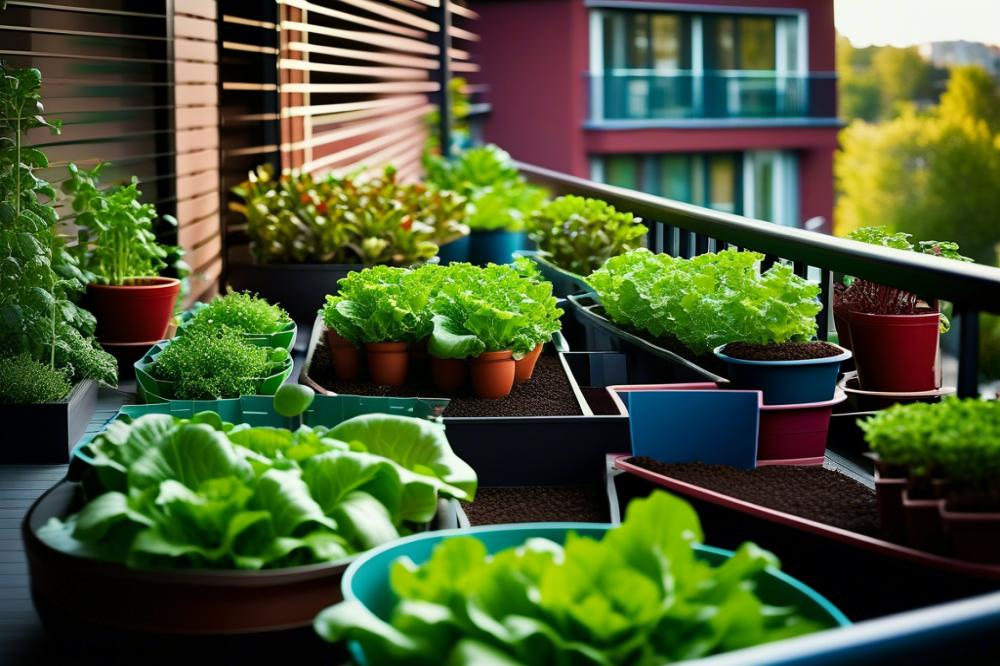
Small space gardening is an excellent way to get started. Many people believe that gardening requires a large yard, but that’s far from the truth. Even a small balcony or a sunny windowsill can accommodate pots of mint, microgreens, or other favorites. There are many gardening tips to consider when working in tight spaces, like using vertical planters or hanging pots. With a little creativity, anyone can cultivate their own mini oasis, filled with the ingredients for exceptional salads.
Creating a Small herb garden

Choosing the Right Location for Your Herb Garden
Finding the right spot for your herbs is crucial. Herbs thrive in a place that gets plenty of sunlight. Look for areas in your yard or balcony that can soak up sun for at least six hours a day. If you are limited in space, a sunny windowsill can also work well. Even small areas can be transformed into vibrant spots for basil, parsley, and mint. It’s important to keep your plants where they won’t be easily disturbed. Avoid spots with heavy foot traffic.
Understanding Sunlight Requirements for Herbs
Different herbs have varying sunlight needs. Basil loves warm, sunny spots. In contrast, parsley can tolerate partial shade. Cilantro prefers cooler temperatures and can do well with less sun. Knowing these preferences will help your plants flourish. Chives and dill typically enjoy similar conditions. With this knowledge, you can move your containers around if necessary. The right amount of sunlight will enhance the flavors of your herbs and encourage healthy growth.
Selecting Containers for Small Space Gardening
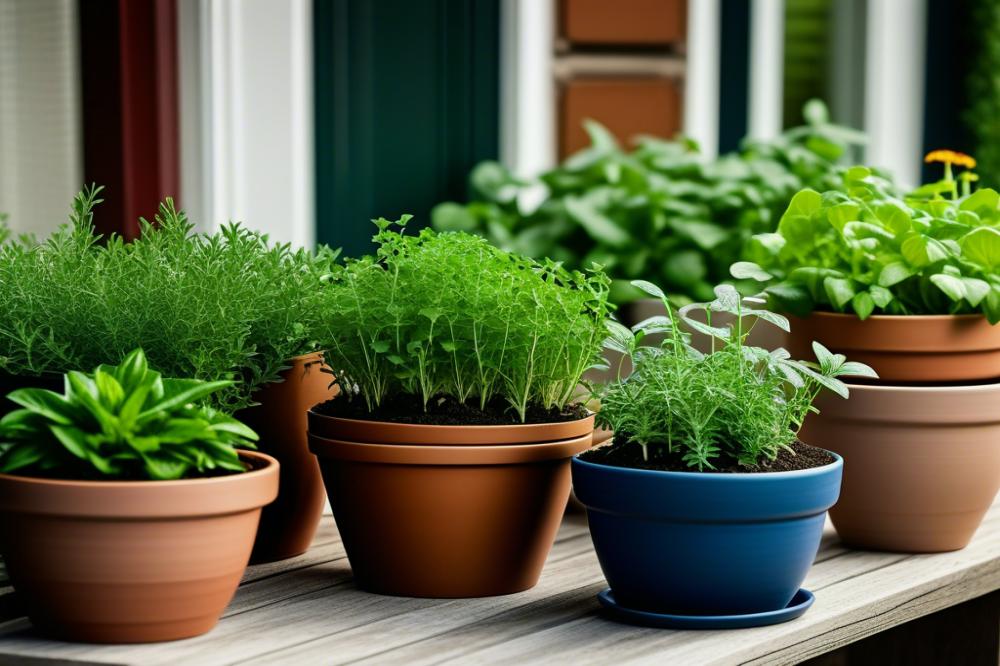
Containers play an important role in small space gardening. They come in many shapes and sizes, allowing you to maximize your available area. Choose pots that have drainage holes to keep roots from drowning. Consider using recycled materials for a unique touch. Herb pots shouldn’t just look good; they need to provide space for roots to grow. Traditional clay pots are great for herbs like thyme and chives. You can also use vertical planters to save floor space while enjoying microgreens. Ensure you are using quality soil for the best results. If you follow these gardening tips, you’ll have a thriving mini-garden right at home.
Essential Herbs for salad flavors
Basil: Versatility and Flavor Profile
Basil is a staple in many dishes. Its sweet and slightly peppery taste can elevate any salad. This herb works well with tomatoes and mozzarella, enhancing flavors beautifully. Growing basil is straightforward, requiring a sunny spot and regular watering. When you harvest, pick leaves from the top to encourage more growth.
Parsley: Nutritional Benefits and Culinary Uses
Rich in vitamins K, C, and A, parsley adds health benefits to salads. This herb is often used as a garnish, but it has a lot more to offer. It pairs nicely with various ingredients, providing a fresh and earthy flavor. Flat-leaf parsley is preferred by chefs, while curly parsley gives an extra pop to dishes. Consider mixing parsley with olive oil and lemon for a quick dressing.
Cilantro: How to Grow and Use in Salads
Cilantro is known for its unique flavor. This herb thrives in cooler weather, making it perfect for spring gardening. The bright green leaves can bring a zesty kick to salads. Be cautious, though—some people have strong opinions about its taste. Experiment with cilantro and lime for a refreshing salad dressing that enhances your dish.
Dill: Flavor Combinations and Growing Tips
Dill has a distinct taste that pairs well with cucumbers and yogurt. It grows best in well-drained soil and needs full sunlight. This herb attracts beneficial insects, making it great for a small space gardening setup. When added to salads, dill can offer a fresh burst of flavor. Try combining it with feta cheese for a unique addition.
Chives: Mild Onion Flavor for Salads
Chives bring a mild onion flavor to your salads without overwhelming other ingredients. These thin green stalks can be snipped and added directly to dishes. They thrive in a variety of conditions, from sunny to slightly shaded areas. Use chives fresh, as cooking can lessen their flavor. Blend with other herbs to create a delightful herb blend.
Thyme: Fragrant Addition to Enhance Flavors
Thyme offers a subtle earthiness that can make any salad special. It can be grown indoors or outdoors—perfect for limited space. This herb retains its flavor even when dried, making it versatile year-round. Thyme pairs well with roasted vegetables, making it an excellent choice for hearty salads. Mixing it with olive oil can yield a tasty dressing.
Mint: Refreshing Taste for Summer Salads
Mint brings a refreshing flavor that is perfect for warm-weather dishes. It grows rapidly, so planting it in a pot is wise to prevent overgrowth. The leaves can be muddled into salads or infused in dressings for a cool touch. Mint combines well with fruits like watermelon for unique summer salads. Use it sparingly, as its strong flavor can dominate other ingredients.
Microgreens: A Flavorful Alternative
Microgreens are tiny salad greens that pack a considerable flavor punch. They can be grown easily in small containers. Varieties like arugula and radish add spicy notes to meals. Once ready, just sprinkle them on top of salads for extra texture and a beautiful presentation. Their nutritional value is also impressive, making them a dynamic choice.
Growing Microgreens
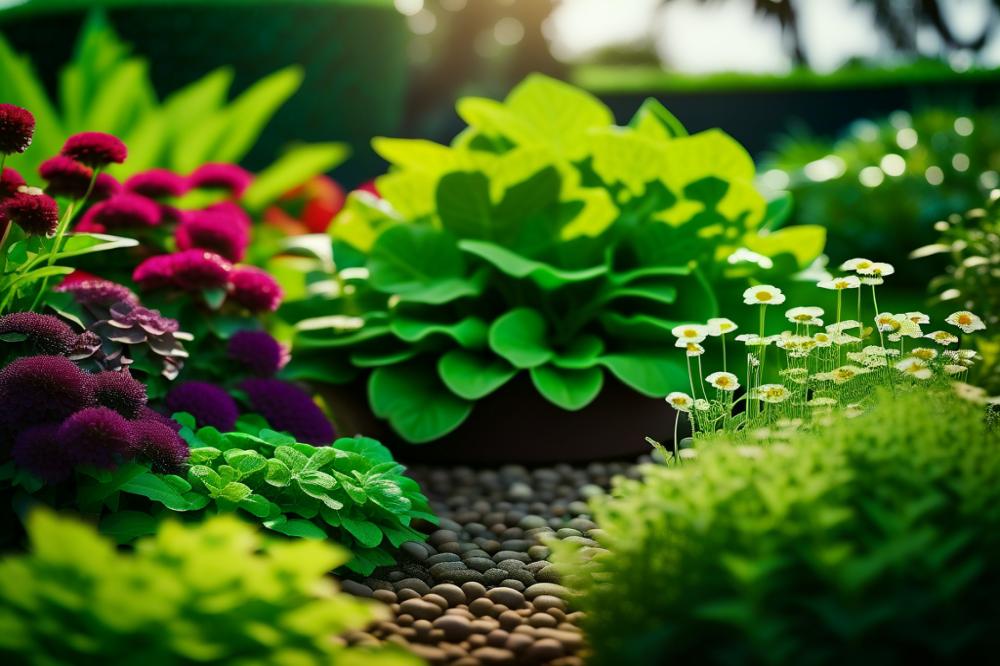
Introduction to Microgreens and Their Benefits
Microgreens are tiny, edible plants that pack a punch. They are young seedlings of vegetables and herbs. These greens are rich in nutrients, making them a fantastic addition to any meal. Not only are they flavorful, but they also require little space—perfect for small space gardening. Adding a few microgreens to your salad can boost taste and health benefits. Popular varieties include basil, cilantro, and parsley, each offering a unique flavor profile.
Popular Microgreens for Salad Enhancement
When it comes to enhancing salad flavors, several microgreens stand out. Basil microgreens bring a fresh, aromatic quality. Dill microgreens add a touch of subtle sweetness. Chives provide a mild onion flavor that elevates simple greens. You can also choose mint microgreens for a refreshing twist. Each type adds a different dimension to your salads. Mixing various microgreens can yield exciting results. Their vibrant colors also make your dish visually appealing.
How to Grow Microgreens in Tight Spaces
Growing microgreens is straightforward, even in tight spaces. Start with a shallow tray filled with soil. Make sure the soil is moist but not soggy. Sprinkle the seeds evenly across the surface. Cover them lightly with soil. Provide proper light; a sunny windowsill works well. Alternatively, you can use grow lights if you have limited natural light. Keep the soil damp throughout the growing process. Expect to see sprouts in just a few days.
Harvesting and Using Microgreens for Salads
Harvesting microgreens is an exciting moment. Use scissors to cut them just above the soil line. Rinse them gently under cool water. They are now ready to enhance your salads. Adding microgreens is easy; toss them onto a bed of greens for an instant flavor boost. Consider mixing them with herbs like thyme or dill for more complexity. Their freshness brightens up any dish. Experiment to find combinations you love, and enjoy the rewards of your small space gardening.
Care and Maintenance of Your Herb Garden
Watering tips for herbs
Watering is crucial for herb growth. Herbs like basil and parsley thrive in consistently moist soil. However, it’s important not to let the soil become soggy. A good rule of thumb is to check the top inch of the soil. If it’s dry, it’s time to water. Early morning is the best time to water. This practice allows plants to absorb moisture before the heat of the day. Use a watering can or a gentle hose to avoid splashing. Overhead watering can damage delicate leaves.
Fertilizing your herb garden for optimal growth
Fertilizing provides vital nutrients. Organic options, such as compost, are excellent for maintaining health. Consider feeding your herbs every four to six weeks during the growing season. A balanced fertilizer designed for herbs can also work well. Herbs such as dill and chives require less fertilizer than heavy-feeding vegetables. Too much fertilizer can lead to excess foliage with less flavor.
Pest management strategies
Pests can be a problem in any garden. Common pests include aphids and spider mites. Manual removal often works effectively for small infestations. Spraying a mild soap and water solution can also deter them. Introducing beneficial insects, like ladybugs, can help control pests naturally. Companion planting with plants like thyme can provide added protection. Always examine your herbs regularly for signs of trouble.
Pruning herbs to encourage growth
Pruning is essential for robust growth. Regularly snipping the tops of basil and mint encourages bushier plants. When herbs flower, they may lose flavor. Remove flower stalks promptly to maintain taste. This technique helps herbs like cilantro and dill grow back stronger. A few quick cuts with scissors can go a long way. It also gives you a chance to harvest fresh herbs for salads! For microgreens, gentle cutting at the base is crucial.
Creative Ways to Use Your Herbs in Salads
Fresh herbs can elevate any salad dish. From classic combinations to daring mixes, there are endless possibilities. Consider incorporating basil, parsley, and cilantro into your go-to recipes. These herbs not only add flavor but also bring nutrition and freshness.
Incorporating Fresh Herbs into Various Salad Recipes
Adding herbs like dill and mint can give salads a surprising twist. For a refreshing salad, mix chopped cucumbers, tomatoes, and yogurt, then sprinkle in fresh dill. This combination will awaken your taste buds. You can also create a salad with mixed greens and add chopped chives on top. They provide a gentle onion flavor that pairs well with many ingredients.
Microgreens are another excellent choice. Scatter them over your greens for a burst of taste and texture. Try mixing them with seasonal vegetables for variety. For instance, arugula combined with cilantro can result in a vibrant dish. Sumptuous tastes await with each addition.
Flavor Pairings: Matching Herbs with Greens
Understanding how to pair herbs with greens is essential. Some work together harmoniously, while others create unexpected flavors. Basil complements tomatoes beautifully, making it a perfect addition to a salad with fresh cherry tomatoes and mozzarella.
Thyme offers earthiness that can enhance hearty greens like kale. Try combining shredded kale with sliced apples and a thyme-infused dressing for a delightful mix. This combination balances the bitterness of kale with the sweetness of apples.
Mixing spinach with parsley creates a light, refreshing experience. The bright flavors of parsley lift the spinach, making it a great side dish or main entrée with added protein like grilled chicken.
Ideas for Herb-Infused Dressings and Marinades
Consider making herb-infused dressings for an extra kick. A simple vinaigrette with olive oil, vinegar, and finely chopped mint or basil is delicious. This dressing can enhance the simplest of salads. Don’t hesitate to experiment with different herbs to find your favorite combination.
For marinades, combine olive oil with chopped cilantro and lime juice. Marinate chicken or shrimp before adding it to your salad. This trick allows for a cohesive flavor profile throughout your meal. Your guests will love the vibrant tastes.
Lastly, think about creating a creamy herb dressing. Blend yogurt with dill and lemon for a tangy addition. Drizzle it over salads, or serve it as a dipping sauce. It’s a delightful way to add layers of flavor while keeping your meal light and healthy.
Final Thoughts on Growing Your Own Herbs
A small herb garden offers numerous benefits for anyone looking to enhance their salads. Fresh herbs like basil and parsley can transform a simple meal into something extraordinary. Not only do they add vibrant flavors, but they also provide essential nutrients. Growing your own herbs can lead to significant savings compared to store-bought options. It’s rewarding to step outside and harvest your own fresh ingredients.
Experimenting with different herbs can be a delightful adventure. Each variety has its own charm and flavor profile, so don’t hesitate to try something new. Mint, cilantro, and dill can add a refreshing twist to your dishes. Mixing and matching these plants can inspire creativity in the kitchen. Discover what works best for your taste buds and enjoy the journey.
Finally, there’s pure joy in nurturing your own plants. Watching them grow, caring for them, and using your harvest brings a sense of accomplishment. Sharing your creations with family and friends can enhance those wonderful moments together. As you dive into this green endeavor, remember, the world of herbs awaits your exploration. Enjoy the process, and relish the flavors you can bring to your meals!