Introduction
Gardening enthusiasts often seek plants that provide multiple benefits. One such plant is Comfrey. This hardy perennial has deep roots that tap into soil nutrients while offering a variety of uses. By incorporating it into your garden, you can enhance soil health, making it an excellent resource for organic gardening.
The role of Comfrey extends beyond just being a garden plant. It serves as a natural fertilizer due to its high nutrient content. When grown, its leaves can be used as green manure or mulch, enriching the soil as they decompose. This makes it a valuable addition for those practicing permaculture, as it promotes sustainable gardening methods.
Plant nutrients from comfrey are readily available to the surrounding plants. When crushed and added to Compost, the leaves break down with ease, adding essential minerals. Additionally, its ability to retain moisture helps improve overall soil quality. Many gardeners have discovered that using comfrey enhances the growth of other crops, leading to healthier plants and bountiful harvests.
In summary, comfrey provides a unique blend of benefits that cater to various gardening needs. Whether used as mulch, added to Compost, or even for herbal remedies, it offers considerable value. Understanding how to cultivate this remarkable plant can greatly impact your gardening journey.
Understanding Comfrey
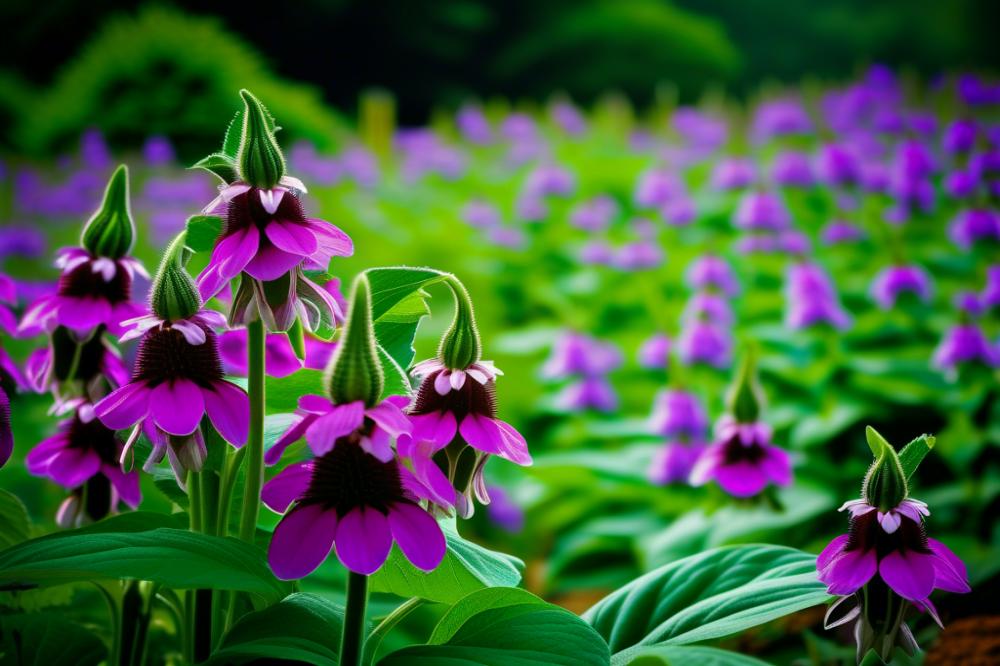
Comfrey comes in various plant varieties, primarily Symphytum officinale and Symphytum x uplandicum. The first one is often found in wild areas, while the latter is a hybrid, commonly cultivated in gardens. Both types are known for their robust growth and distinctive large leaves. These vibrant green leaves can grow quite large, providing a striking appearance in any garden setting.
This plant has a long history in herbal remedies and gardening. Traditionally, it has been used to promote healing, particularly for wounds and fractures. Ancient cultures recognized its ability to help mend broken bones. Today, gardeners value it more for its role in sustainable practices. It acts as a powerful ally in the quest for improved soil health.
As far as plant nutrients go, comfrey is rich in minerals, making it a superb addition to compost. Its leaves contain significant amounts of potassium, nitrogen, and phosphorus. These nutrients aid in plant growth and fertility. When added to compost, it breaks down quickly and enriches the mix, offering organic gardening enthusiasts a natural boost for their crops.
Using comfrey in your permaculture
Cultivation Requirements
Optimal Growing Conditions for Comfrey
Growing comfrey thrives in a variety of climates. However, it prefers mild to warm temperatures. This herbaceous plant can tolerate colder conditions but flourishes best in zones 4 to 8. It grows vigorously with the right amount of sunlight. Aim for a location that receives full sun to partial shade. Such light exposure aids in optimal growth and enhances its nutrient content.
Soil Requirements and Preparation for Planting
Soil health is crucial for the success of this plant. Amending the soil with organic matter, like compost or aged manure, improves fertility. A well-drained, loamy soil with a pH between 6.0 and 7.0 is ideal for planting. Before planting, clear the area of weeds and debris. Tilling the soil allows for better root development and nutrient uptake. Consider applying mulch around the base once planted, as it can help retain moisture.
Watering and Light Needs for Healthy Comfrey Growth
Regular watering supports healthy root growth in this plant. While it is somewhat drought-tolerant, consistent moisture during dry spells is vital. Water deeply but avoid creating soggy conditions. Too much water can lead to root rot. Overhead watering in the morning prevents disease by allowing foliage to dry quickly. Remember to keep an eye on light levels as well. Ideal conditions include bright daylight but avoiding extreme heat during peak hours can prevent stress on the plant.
Planting Comfrey
Best Methods for Propagating Comfrey
To start, there are several effective ways to propagate this versatile herb. Root cuttings are one of the simplest methods. Select healthy roots during early spring before new growth appears. Each piece should be about 4 to 6 inches long. Alternatively, you can use seeds, though they may take longer to grow. For a faster yield, opt for the root cutting method. Divide established plants in early spring or autumn. This promotes strong growth and helps spread the plants.
Steps to Plant Comfrey Effectively in the Garden
Planting requires some planning. Choose a sunny spot with well-drained soil. Enhance the soil health by mixing in compost before planting. Hold the root cuttings horizontally in the soil. Position them about 2 to 4 inches deep. Water them well after planting. This encourages the cuttings to take root. Regular moisture is important for the young plants. Observe the weather and provide extra water during dry spells. After a few weeks, you will see new growth emerging.
Spacing and Arrangement in Sustainable Gardening Practices
Proper spacing can optimize growth and yield. Space plants at least 3 feet apart. This allows for ample airflow and helps prevent disease. Arrange them in groups to form patches, which promotes a natural look in your garden. Consider companion planting with vegetables that benefit from the nutrients released by these plants. Using them as a green manure is a sustainable practice that boosts soil fertility. Lastly, applying mulch around the base helps retain moisture and suppress weeds. These simple tips can enhance not only your vegetable garden but also the overall health of your soil.
Harvesting Comfrey
When the leaves of this robust plant reach a height of around two feet, it’s time to consider harvesting. Typically, the best time to cut the leaves is during the flowering phase. At this stage, the plant is packed with nutrients useful for promoting soil health. Look for deep green leaves that are vibrant and healthy, as these signify the presence of essential plant nutrients.
Cutting should be done with clean tools. This helps to prevent any diseases. Aim to remove about one-third of the plant, allowing it to continue growing. The ideal method is to cut leaves close to the stem but leave enough behind for the plant to regenerate. Concentrating on selective harvesting also encourages quicker growth. After cutting, process the leaves promptly to maintain their nutrient content.
Mulching is one effective way to prepare the leaves for composting. Chopping them into smaller pieces can promote faster decomposition. Comfrey leaves also make excellent green manure, enriching your garden beds. To store leaves for later use, consider drying them or adding them straight into the compost. Timing is crucial for retaining nutrients; try to use the leaves shortly after harvesting for the best results.
For optimal nutrient retention, harvesting should align with ideal weather conditions. Dry days, when plants are not stressed by excessive moisture, are best. Quality composting depends on this; wet leaves break down too slowly and may lead to unwanted odors. Managing this balance can elevate your sustainable gardening practices significantly.
After cutting, the processed leaves can be layered into compost bins or used as mulch around plants. This serves dual purposes: providing essential nutrients and suppressing weeds. In the world of organic gardening, these strategies contribute to a vibrant ecosystem, benefiting both the garden and the gardener. Following some simple gardening tips can maximize the benefits of this versatile herb.
In permaculture design, the integration of comfrey can enhance overall soil health. Its deep taproots draw up nutrients from the soil, which are then returned to the surface when you harvest the leaves. This natural process supports the local biodiversity and improves the sustainability of your gardening efforts.
Using Comfrey in Compost and fertilizer
Methods for Incorporating Comfrey into Compost
Adding comfrey to your compost bin can significantly enhance the quality of your compost. Start by chopping the leaves into smaller pieces. This helps speed up the decomposition process. Layer these pieces with other organic materials, such as vegetable scraps and leaves. The high nitrogen content in comfrey acts as a catalyst for microbial activity, fostering a rich compost environment. Remember to turn the pile regularly; this aeration helps balance moisture and oxygen levels. A properly maintained compost bin will yield nutritious compost in a few months.
Benefits of Using Comfrey as Green Manure
Utilizing comfrey as green manure offers many perks for your garden. Planting this herb in your garden beds can improve soil structure. Its extensive root system can draw nutrients from deep underground, making them available to other plants when the leaves die back or decompose. As a result, soil fertility increases, leading to healthier plants. This practice is beneficial in permaculture systems, where sustainable gardening principles are essential. Additionally, green manure reduces weeds and erosion, contributing to a thriving garden ecosystem.
Creating Comfrey Mulch and Its Advantages for Soil Health
Mulching with comfrey has several advantages for your garden’s soil health. To create mulch, simply chop the leaves and spread them around your plants. This layer protects the soil from erosion and retains moisture during dry spells. Over time, the mulch will decompose, adding organic matter and essential plant nutrients to the soil. The breakdown process encourages beneficial microbial activity. As the mulch enriches the soil, plants will benefit from the slow release of nutrients. For those interested in organic gardening, this method promotes a cycle of growth and sustainability.
Gardening Tips with Comfrey
Integrating Comfrey into a Permaculture System
Permaculture thrives on the concept of working with nature. By adding comfrey to your garden, you create a support system for your plants. This herb acts as a dynamic accumulator, drawing nutrients from deep soil layers. Those nutrients, when chopped, can enrich the surface soil, boosting overall soil health. It can also control erosion, thanks to its robust root system. Using it as a green manure enriches your compost heap. As it decomposes, it enhances soil structure and moisture retention. Building a permaculture garden without this plant might mean missing out on valuable resources.
Companion Planting: How Comfrey Benefits Other Plants
Companion planting is all about creating harmony in your garden. This herb works well alongside many other crops. Its large leaves can serve as mulch, suppressing weeds and keeping moisture in the soil. Strongly scented, it can repel some pests, thus protecting neighboring plants. Many gardeners find that tomatoes, peppers, and cabbage thrive when planted near comfrey. Those crops often benefit from the nutrients released by comfrey as it decomposes. In the herb garden, it pairs nicely with other plants, enhancing flavor and growth.
Common Pests and Diseases Affecting Comfrey and Prevention Strategies
While it is hardy, comfrey can face challenges. Aphids and slugs are known to target its lush foliage. Regular inspection helps catch infestations early. Using organic insecticidal soap is one effective method to combat these pests. Rotating companion plants can also disrupt their cycles. Fungal issues, though rare, can arise if the air circulation is poor. Ensuring good spacing between plants prevents excessive moisture buildup and creates better airflow. Maintaining healthy plants strengthens their ability to resist diseases. Organic gardening discourages chemical treatments, so monitoring and natural solutions are your best bets.
Final Thoughts on Comfrey in Gardening
Growing this remarkable plant offers a wealth of benefits for your garden. Its rich nutrient profile makes it an excellent source of organic fertilizer. Plus, cultivating it is not just easy; it also supports overall soil health. The deep roots of the plant draw minerals from the earth, which contribute to enhanced soil fertility when used in compost. This process creates a natural cycle of growth that can significantly impact your garden’s success.
Integrating comfrey into your sustainable gardening practices can be a game-changer. Many gardeners find that its ability to break down quickly adds vital nutrients back into the soil, improving plant health. This can lead to better yields and more resilient plants, which is a win-win situation. By including this plant in your gardening routine, you embrace a method that promotes a healthier ecosystem.
It’s crucial to recognize the impact of this perennial herb on both soil and plants. By enriching your compost with its leaves, you help create an environment where plants can thrive. Strong soil promotes vigorous growth and can reduce the need for chemical fertilizers, which is beneficial for both the planet and your health. In summary, nurturing this plant not only beautifies your garden but also paves the way for sustainable practices that can lead to gardening success.