Benefits of Growing Your Own Greens
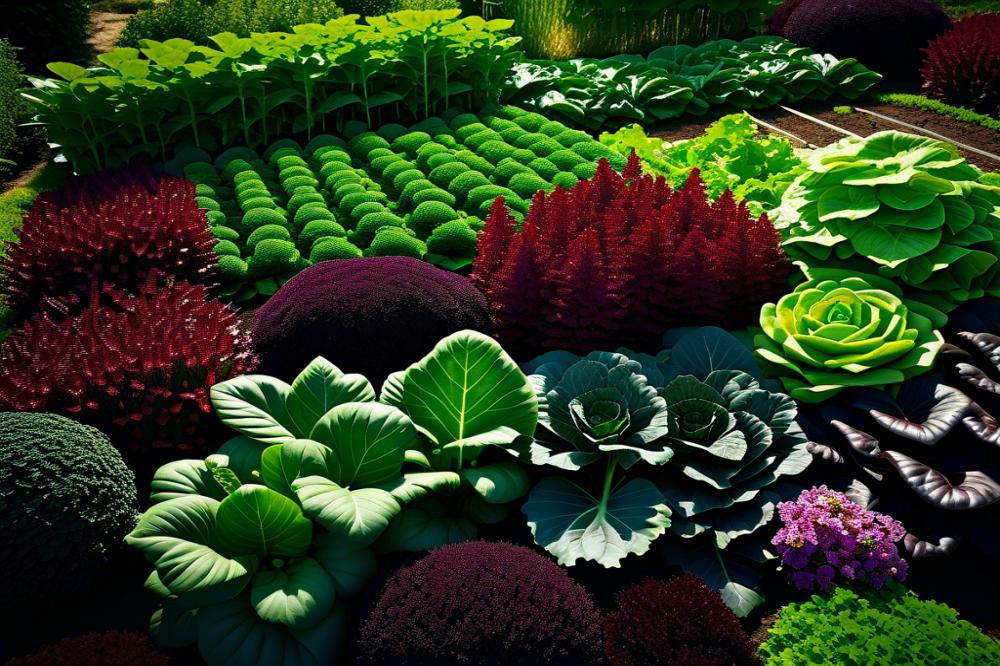
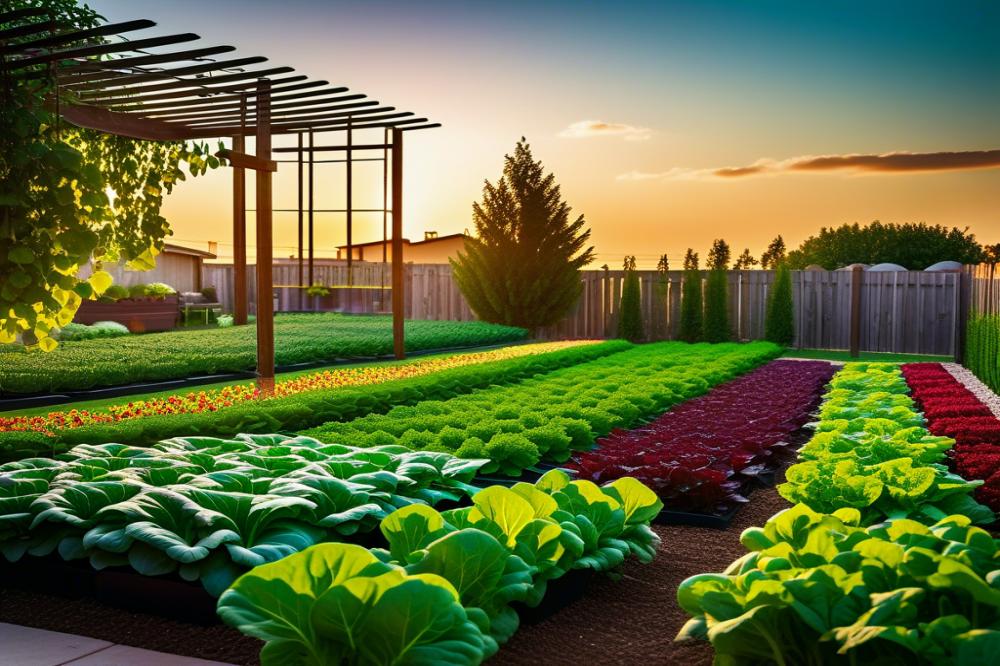
Growing your own herbs and salad greens offers numerous advantages. For many, cultivating a garden becomes a fulfilling hobby that brings enjoyment and relaxation. The fresh produce provides a sense of satisfaction that store-bought options often cannot match. quick-growing greens, such as spinach, arugula, and microgreens, allow gardeners to see results in just a few weeks. Imagine stepping into your own backyard, harvesting fresh ingredients for a salad, and enjoying the crisp flavors of your efforts.
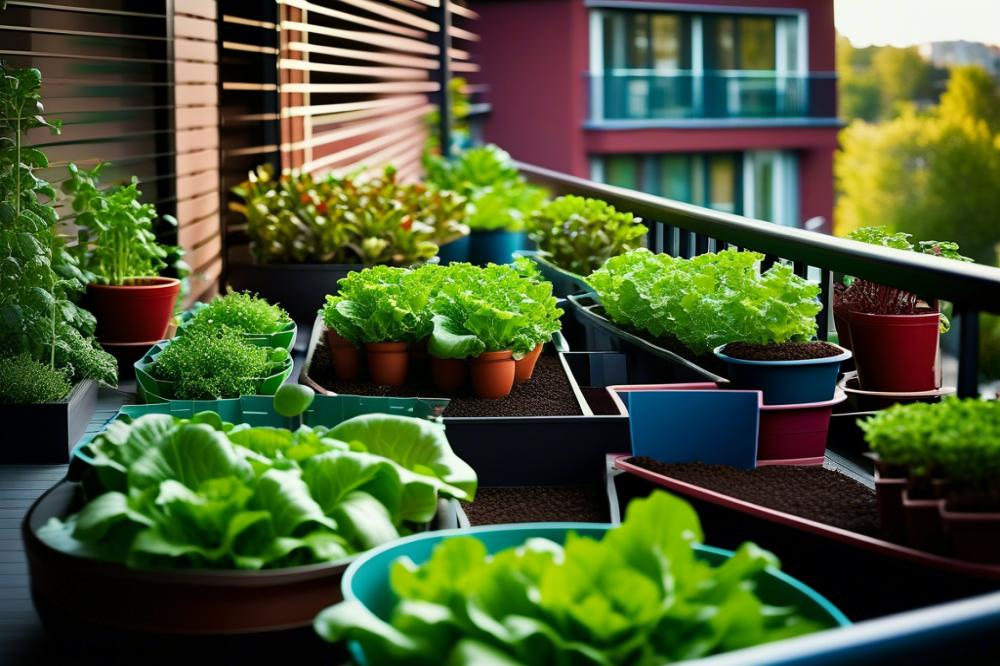
Urban farming has gained traction as a viable choice for city dwellers. Limited space can be challenging, yet many have turned to creative solutions for home gardening. Vertical gardens, container plants, and small plots make it possible to grow vibrant vegetables even in tight quarters. This accessibility means more people can embrace self-sufficiency in their own lives. Individuals can gain control over their food sources and improve their health by selecting organic options that are free from chemicals.
Fast-growing vegetables, including chard and various lettuces, contribute to quick rewards. Many of these crops thrive in diverse conditions and can flourish with minimal care. This ease of cultivation makes them perfect for beginners or anyone pressed for time. Regular harvests not only enhance meals but also reduce grocery bills. Furthermore, employing sustainable practices benefits the environment, fostering a connection to nature in our increasingly tech-driven world.
In conclusion, backyard gardening opens the door to a lifestyle filled with health, satisfaction, and convenience. quick-growing greens can transform ordinary meals into something extraordinary. The journey begins with a single seed, and from there, the possibilities are endless.
What Are Quick-Growing Greens?
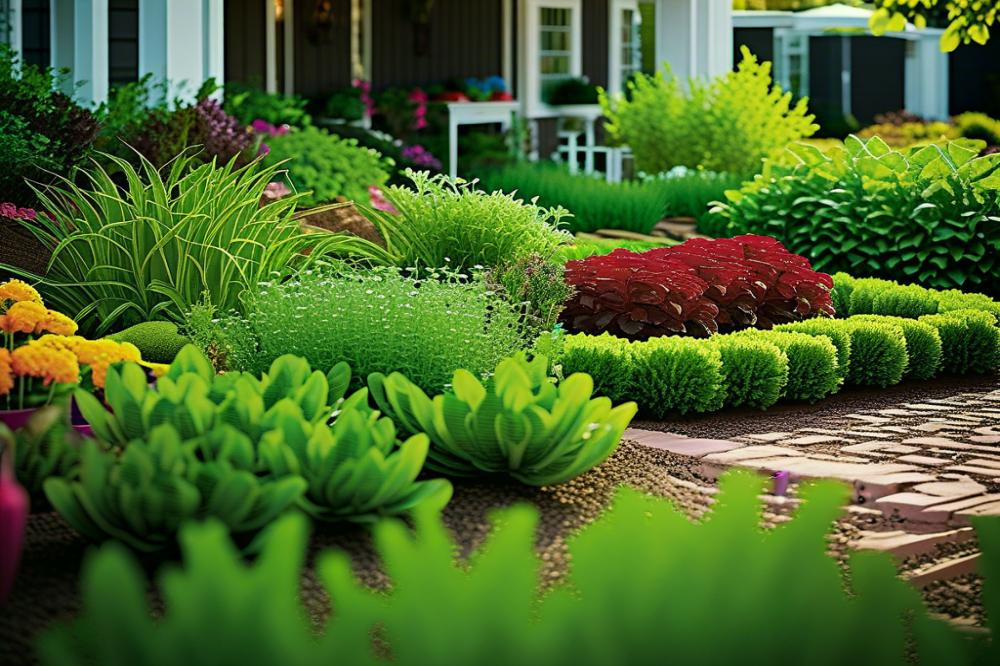
Quick-growing greens refer to a variety of leafy plants that thrive in a short amount of time. These include salad greens, spinach, kale, arugula, and even microgreens. They are popular choices for home gardening and urban farming due to their rapid growth cycle. Many of these plants can be harvested within a matter of weeks after sowing the seeds.
Speed is a key characteristic of these greens. Most can reach maturity in just 30 to 45 days. This makes them ideal for gardeners looking to enjoy fresh produce without waiting long periods. Perfect conditions for their growth often include well-drained soil, adequate sunlight, and consistent watering. Different types may have varying requirements, but many thrive in cool weather.
In terms of cultivation, salad greens and lettuces are particularly favored. They flourish in spring and fall, enjoying mild temperatures. Spinach and kale also grow well under similar conditions. On the other hand, arugula is known for its peppery flavor and can even tolerate a bit of heat. Microgreens offer tremendous benefits as well. They can be grown indoors on a windowsill, making them accessible year-round.
This quick turnaround appeals to many novice gardeners. People can start small with fast-growing vegetables and easily expand their gardens gradually. Chard is another excellent choice, offering vibrant colors and nutritious leaves. When planning your garden, consider planting a mix of these greens to enjoy a harvest that keeps coming. Growing these plants is rewarding and encourages a healthy lifestyle.
Top Quick-Growing Greens for backyard gardening
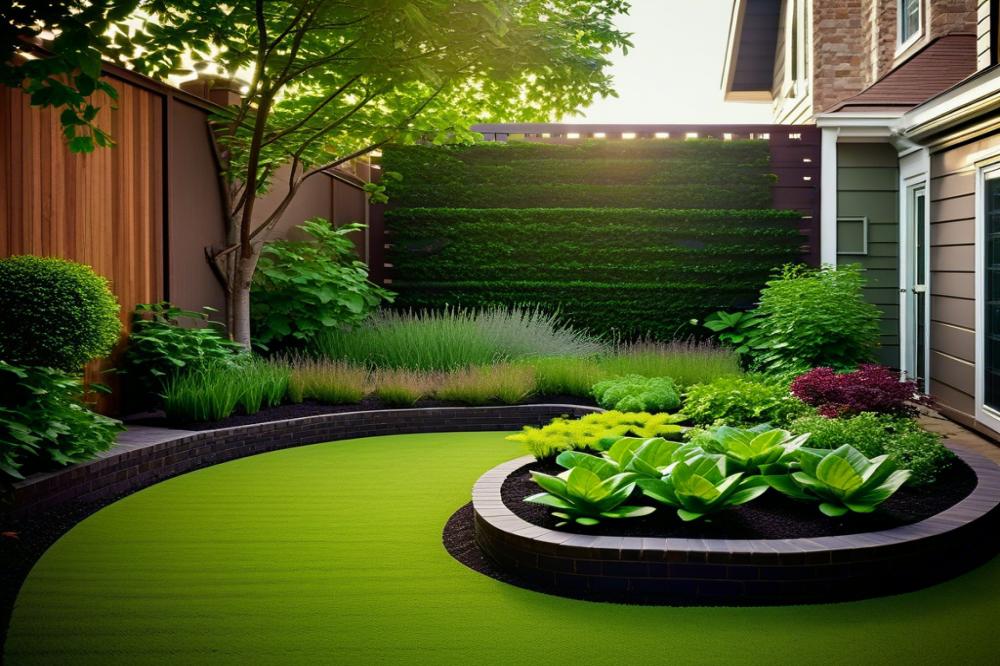
Spinach
Spinach is a powerhouse of nutrients. Packed with vitamins A and C, it also offers iron and calcium. This leafy green thrives in cooler climates and can be planted both in spring and fall. Aim for well-drained soil and regular watering. Harvest when leaves are young for the best taste. Fresh spinach can be eaten raw in salads or cooked in various dishes.
Kale
Kale is known for its versatility. It works well in salads, soups, and smoothies. This hearty green is rich in antioxidants and fiber. For optimal growth, plant kale in the spring or fall. Once the leaves are mature, pick from the outside while letting the inner leaves continue to grow. A simple rinse after harvesting will prepare it for your dinner plate.
Arugula
Arugula offers a peppery flavor that many love. It adds a zesty kick to salads and sandwiches. Quick to germinate, arugula can be ready for harvest in just three to four weeks. It thrives in cool weather, so plant it in early spring or late summer. Regular watering helps this plant flourish. Serve it fresh for the best flavor experience.
Microgreens
Microgreens are tiny and packed with nutrients. They grow quickly, often ready to harvest in under two weeks. Various types, such as radish, basil, and sunflower, can be grown indoors or outdoors. To grow them, simply spread seeds on a shallow container with soil. Water lightly and keep them in a sunny spot. They make a beautiful addition to any dish, enhancing both taste and presentation.
Chard
Chard is colorful and nutritious. It comes in several varieties, including rainbow and Swiss chard. Rich in vitamins K, A, and C, it thrives in well-drained soil. This green can grow throughout the warm season and can handle some heat. Picking the outer leaves promotes new growth from the center. Chard works well in stir-fries, stews, or as a side dish.
Lettuces
Lettuces are among the most popular salad greens. Varieties range from crisp romaine to tender butterhead. For optimal growth, they prefer cooler weather, making spring and fall ideal planting times. Space seeds adequately for best results. Regular watering keeps them crisp and fresh. Harvest individual leaves as needed or cut the entire head, depending on your preference.
Cultivation Tips for Fast-Growing Vegetables
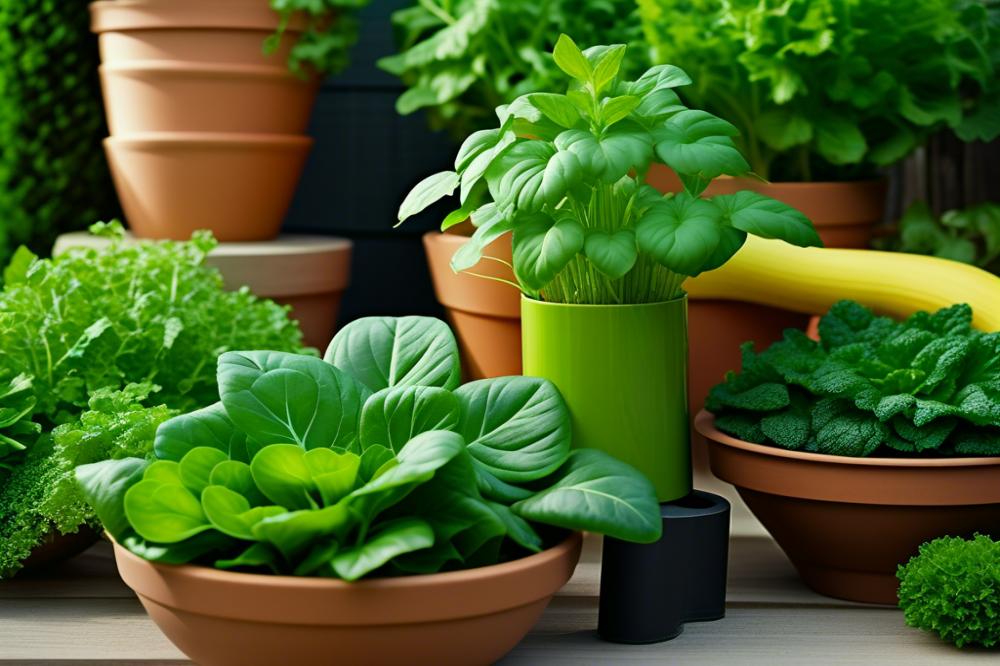
Choosing the right season for planting can make a big difference. Most quick-growing greens thrive in cooler weather. Spring and fall are optimal times to start these vegetables. In warm climates, salad greens and spinach can even be planted in winter. Look for frost-resistant varieties to maximize your harvest.
Soil preparation is another critical aspect. Begin by testing your soil’s pH; most greens prefer a slightly acidic to neutral range, around 6.0 to 7.0. Adding organic matter, like compost, helps provide nutrients. Loose and well-drained soil promotes healthy root growth. Turn the soil at least 12 inches deep before planting. This gives roots plenty of room to access nutrients.
Watering practices play a vital role in growth speed. Keep the soil consistently moist but not waterlogged. Aiming for about one inch of water each week is a good rule of thumb. If the top inch of soil feels dry, it’s time to water. Be careful during hot spells; faucets run dry quickly in summer.
Fertilizing regularly can enhance growth rates. Using a balanced fertilizer every few weeks ensures plants remain nutrient-rich. Liquid fertilizers can offer immediate results. While it’s essential to feed greens, over-fertilizing can lead to leafy plants with less flavor.
Pest control is integral for a successful harvest. Keep an eye out for common pests such as aphids and caterpillars. Natural remedies, like neem oil or insecticidal soap, can be useful. Regularly inspecting plants can help catch infestations early. Sometimes companion planting can distract pests away from your greens.
Consider growing microgreens indoors if space is limited. These tiny plants are packed with flavor and nutrients. They can be cultivated on windowsills or under grow lights. With just a shallow tray and some potting mix, you can enjoy fresh greens year-round. Arugula and kale are great choices for this method.
Lastly, spacing plants correctly promotes airflow. Staggering rows of lettuces, chard, and other fast-growing vegetables prevents overcrowding. This strategy helps reduce diseases and encourages quicker growth. Remember to check growing conditions regularly, adjusting as needed for plant health in home gardening.
Harvesting and Storing Your Greens
Timing is crucial for the optimal harvest of salad greens and other fast-growing vegetables. A general rule is to pick them when they are tender and vibrant. Spinach can be harvested about six weeks after planting, while chard may take a bit longer. For kale, it’s best to begin collecting leaves when they are at least six inches tall. A key aspect of harvesting is to do it in the morning. This time of day often provides the greens with the most moisture and nutrients.
Techniques for harvesting can significantly affect regrowth. You can use scissors or garden shears to cut the outer leaves, allowing the inner leaves to continue growing. This selective approach not only gives you fresh greens but also encourages the plants to thrive. Be gentle during the process to avoid damage to the remaining foliage. For microgreens, simply snip them above the soil line. This method yields fresh greens and stimulates further growth.
When it comes to storing greens, freshness is key. After harvesting, wash them gently to remove any dirt. Use cold water for a thorough rinse. Dry them as much as possible, preferably with a salad spinner or by gently patting them with a clean cloth. Package your lettuces and arugula in perforated plastic bags to help them breathe. For harder greens, like kale and chard, wrapping them in damp paper towels before placing them in a plastic bag can keep them crisp longer.
Another method many home gardeners enjoy is storing greens in an airtight container. This approach can preserve leafy vegetables effectively. Remember to check your storage regularly for any signs of spoilage. Cleaning out any wilting greens ensures that the fresher ones remain crisp. Understanding these simple strategies can help you enjoy a steady supply of vibrant greens from your own urban farming efforts.
Integrating Quick-Growing Greens into Your Diet
Fresh greens can elevate any meal. Salad greens like lettuce, arugula, and spinach are versatile. They add color, crunch, and a boost of nutrients. Use a mix of these leaves for a vibrant salad. Toss in some cherry tomatoes, cucumbers, and a simple vinaigrette for an easy dish. Mixing greens can also make everyday sandwiches feel special. Layer them between slices of whole-grain bread with turkey or hummus.
Another delightful way to enjoy greens is in smoothies. Blend spinach or kale with fruits like bananas or apples. A handful of microgreens can enhance the nutritional profile. Many people love adding a little ginger or yogurt for creaminess, too. This quick meal option is not only tasty but also packed with vitamins.
Recipes Featuring Greens
For a hearty meal, consider a stir-fry. Quickly sauté some chard, kale, or any fast-growing vegetables with garlic and soy sauce. This dish pairs well with rice or noodles. It’s easy and takes only a few minutes. You could also create a savory quiche using fresh greens. Beat some eggs, add your choice of greens, cheese, and bake until golden. Serve it warm or cold, and it’s always a hit.
Herbs can be just as essential. Basil, parsley, and cilantro bring out flavors in any dish. Chop them finely and sprinkle over tacos, pasta, or grilled meats. Your taste buds will notice the difference. A sprinkle of microgreens on top of soups can add a fresh touch. It’s an easy way to make a meal look gourmet.
Benefits of Quick-Growing Greens
Including greens in your diet has numerous perks. They offer essential vitamins and minerals, helping to keep the body healthy. Eating a variety of greens can support heart health and improve digestion. Home gardening or urban farming makes it simple to access fresh produce. You can step outside and pick what you need. This ensures your meals stay fresh and flavorful.
Small changes in daily meals can lead to healthier habits. Making salads a daily tradition can encourage the whole family to eat better. Experiment with different dressing options; this can completely change a dish’s flavor. With quick-growing greens readily available, there are endless possibilities. Aim to try a new recipe each week. It’s a fun way to enjoy gardening’s benefits beyond the backyard.
Final Thoughts
Growing greens in your backyard offers numerous benefits. These plants can thrive in a small space and often have a short growing season. Not only do they enhance your meals, but they also contribute to better health. Each harvest provides fresh flavors and nutrients that packaged greens simply can’t match.
Consider how easy it is to grow salad greens. They do well in various conditions and can even flourish in containers. Spinach is another excellent choice. It’s packed with vitamins and grows quickly, allowing you to enjoy fresh produce in no time.
Take a moment to reflect on what gardening can bring to your life. It’s a wonderful way to connect with nature. One can appreciate the satisfaction that comes from tending to plants and watching them flourish. Starting your own herb garden or growing vegetables can foster a sustainable lifestyle. Over time, you’ll find that producing your own food can be rewarding both physically and mentally.
So why not start today? Choose a few easy-to-grow options and watch your garden come to life. You might discover a new hobby, enhance your meals, and enjoy the freshest ingredients right at your fingertips. Dive into the fulfilling world of backyard gardening, and make those quick-growing greens a part of your everyday life!