The Best Global Techniques for Growing Vertical Vegetables and Fruits in Any Climate
vertical gardening represents a remarkable shift in how we think about growing food. This method allows gardeners to cultivate plants upwards, which is especially vital in urban environments where space is limited. By utilizing walls, trellises, and containers, individuals can create lush green spaces even in the smallest areas. Significantly, this approach contributes to sustainable agriculture by promoting efficient land use and reducing the need for extensive horizontal farming.
Benefits abound when it comes to growing fruits and vegetables vertically. For one, space-saving techniques make it possible to produce a substantial amount of food out of less area. Consider how urban farming initiatives can transform concrete jungles into flourishing gardens. hydroponics and container gardening offer innovative ways to grow food without traditional soil. These methods often lead to better control over nutrient management and pest control, crucial elements for healthy plants.
Climate adaptability is another important aspect of vertical gardening. No matter if someone lives in a hot desert or a chilly region, this gardening style can be tailored to meet specific climate needs. For instance, crops can be grown indoors, taking advantage of controlled environments to extend growing seasons. By using organic practices, growers not only produce clean food but also contribute to ecological health.
This article will delve into a variety of techniques from around the globe that showcase the versatility and advantages of growing vertically. From innovative hydroponic systems to creative indoor setups, there’s a wealth of knowledge to explore. Understanding crop rotation and integrating these ideas can further enhance the gardening experience, making it both enjoyable and fruitful.
Understanding Vertical Gardening
Vertical gardening offers a creative way to grow plants in limited spaces. Instead of sprawling across the ground, these gardens make use of walls, fences, and other vertical surfaces. This method is highly efficient, allowing gardeners to maximize their yield even in small areas. Many urban dwellers find it beneficial, especially where traditional gardening is not feasible.
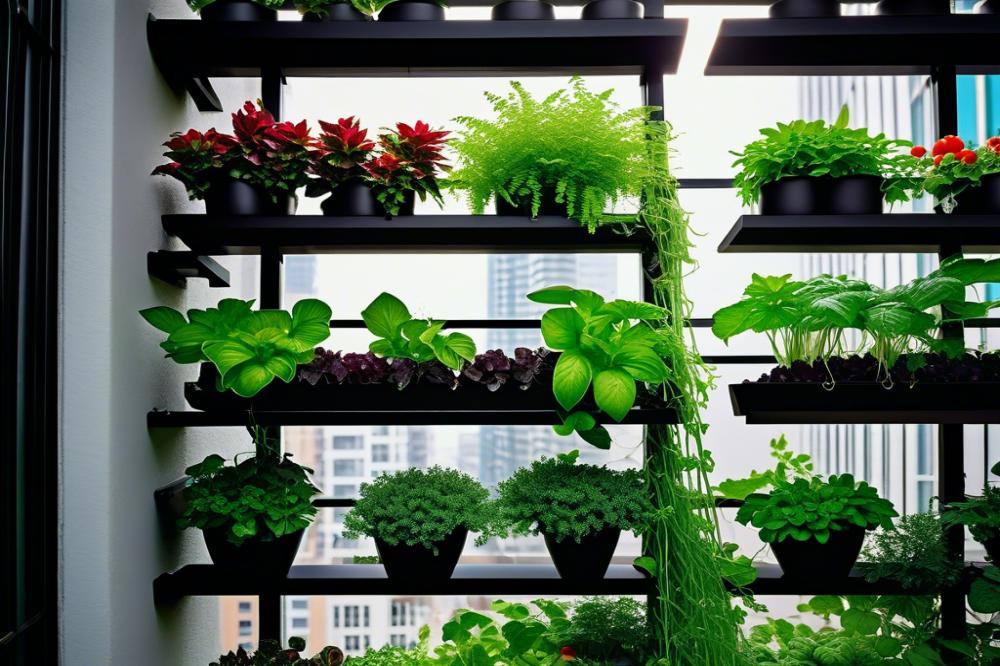
Various methods exist for implementing vertical structures. One popular approach involves using trellises. These are typically made of wood or metal and support climbing plants like beans and cucumbers. Wall planters also provide an innovative solution. They can be mounted on buildings and houses, holding an array of flowers and herbs. Hanging systems elevate pots and containers, allowing plants to grow above the ground, adding beauty and functionality to any space.
For those interested in sustainability, vertical gardening fits perfectly. This practice aligns with sustainable agriculture principles by reducing the land needed for farming. Container gardening often pairs well with vertical setups, helping to keep roots contained and manageable. Climate adaptability is critical as well. By positioning plants strategically on walls or using hydroponics, gardeners can create microclimates that enhance growth even in less than ideal conditions.
Using organic practices is vital in vertical systems. Many gardeners opt for natural fertilizers and pest control methods. This approach minimizes harmful chemicals, resulting in healthier plants and produce. Crop rotation should not be overlooked either. By changing the plants grown in specific spots, soil fertility improves, and pest problems decrease. Nutrient management is important too. Regularly testing soil and water helps ensure plants receive what they need to thrive.
Indoor gardening can also benefit from vertical techniques. With limited space indoors, elevating plants can create a lush environment without cluttering surfaces. The beauty of this method is that it can be tailored to each individual’s needs and preferences. Ultimately, by adopting these techniques, anyone can create a flourishing garden in even the most restricted settings.
Global Techniques for Vertical Gardening
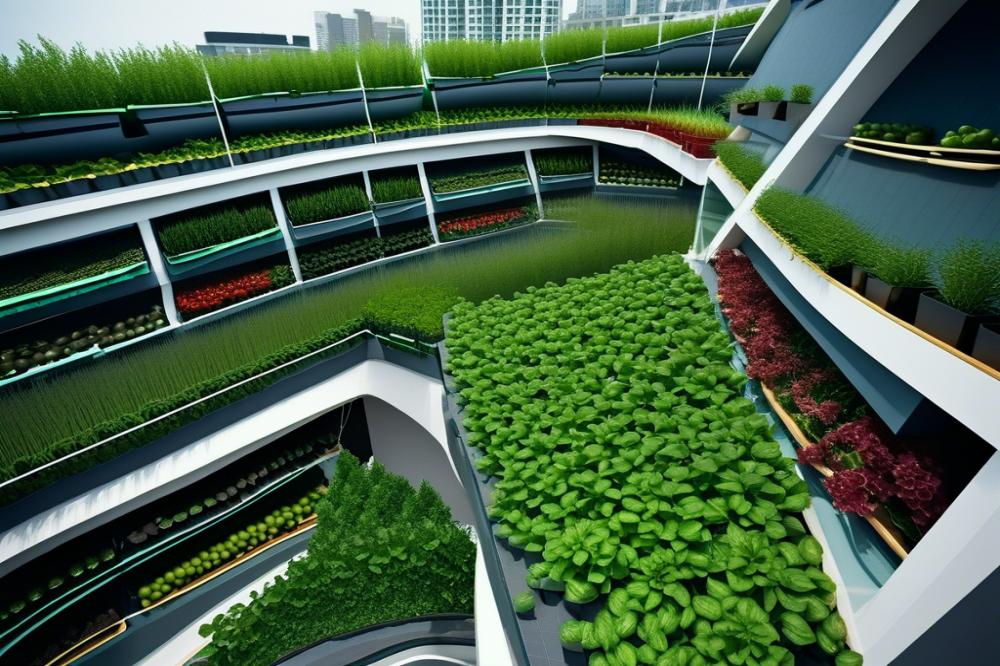
Innovative methods from around the world are transforming how we grow vegetables and fruits. One of the most prominent techniques is hydroponics. This method employs a soil-free system where plants receive nutrients through water. Indoor gardening benefits greatly from hydroponics as it allows for year-round cultivation regardless of external conditions. Moreover, it uses less water compared to traditional gardening, making it an essential part of sustainable agriculture.
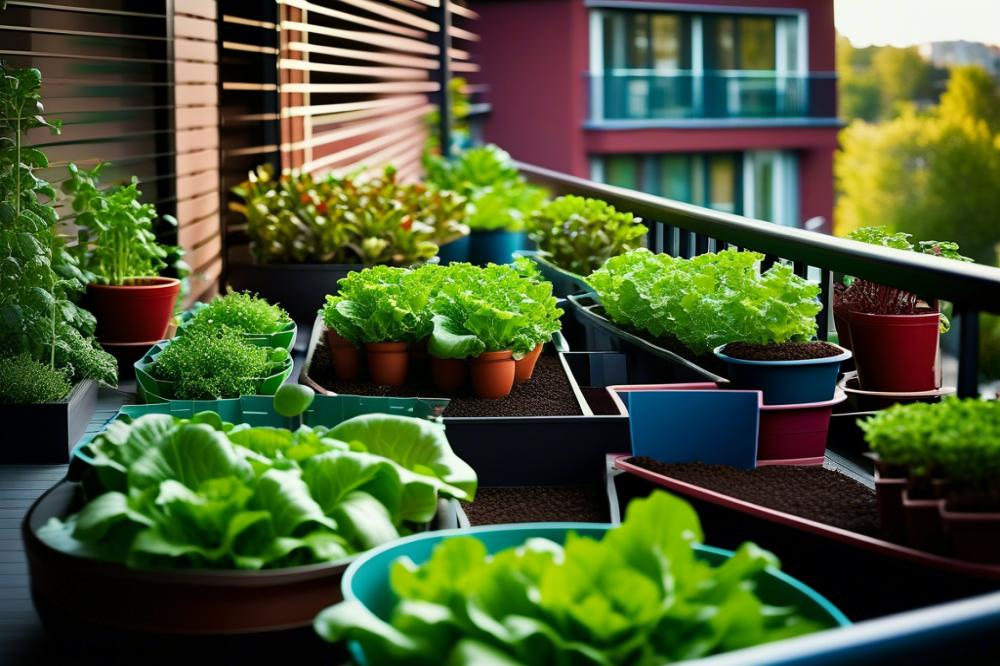
Container gardening is another versatile technique. This approach involves growing plants in various containers, allowing for maximum climate adaptability. Whether in a small backyard or an urban balcony, containers can fit into any space. The flexibility of this method means that gardeners can easily move their plants to protect them from harsh weather. Furthermore, container gardening facilitates organic practices like crop rotation and nutrient management. This can lead to healthier plants and less dependency on chemical inputs.
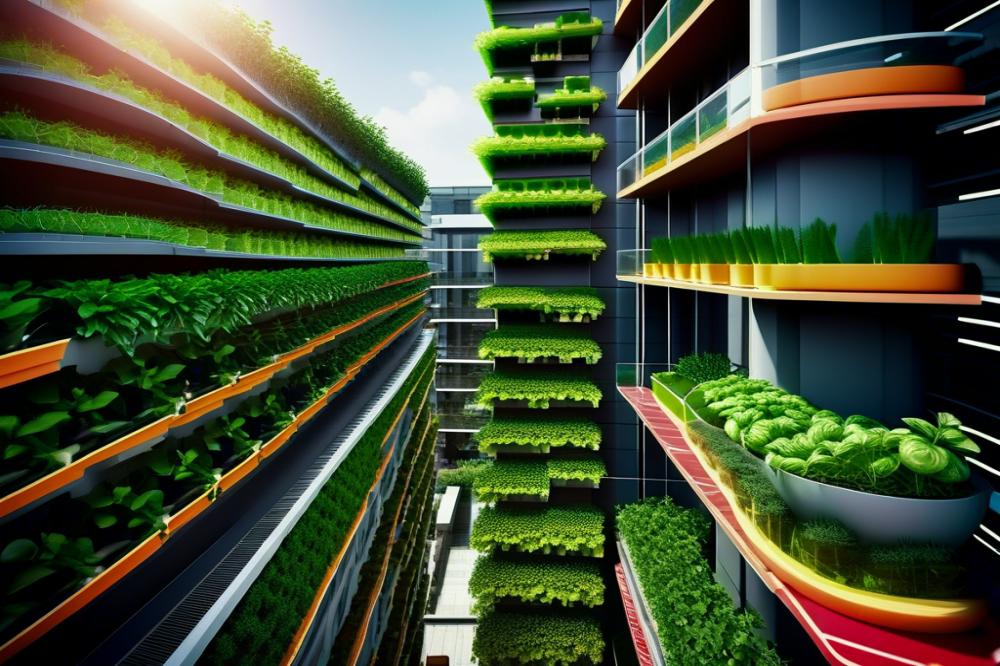
In urban environments, vertical farming systems are increasingly popular. These setups use tall, stacked structures to grow crops while utilizing minimal ground space. They also leverage advanced technologies for efficient pest control and nutrient delivery. urban farming can mitigate food deserts by bringing fresh produce closer to city dwellers. This method not only promotes local food production but contributes to community engagement as well.
Many techniques are emerging in response to the global need for sustainability and food security. Each of these methods brings unique benefits, and their use can be tailored to fit various climates and urban environments. Understanding these practices equips aspiring gardeners with the knowledge to grow their own food in innovative ways.
Climate Adaptability in Vertical Gardening
Vertical gardening can be adapted to fit various climates, making it an appealing option for many. Different regions present unique challenges. From extreme heat to chillier temperatures, it’s important to understand how to overcome these hurdles.
Extreme weather conditions can be daunting. In hot climates, shade cloths can protect delicate plants from harsh sunlight. Additionally, using hydroponics can provide consistent moisture and nutrients without the risk of soil overheating. For those facing heavy rainfall, a well-drained container gardening setup prevents root rot while still allowing for vertical growth.
Cold weather also requires special considerations. Greenhouses or indoor gardening can extend the growing season. This method keeps temperatures stable and shields plants from frost. Using heat mats can further bolster warm soil conditions. Crop rotation in a closed greenhouse environment enhances soil health, as different plants have varied nutrient needs.
Spring and fall bring their own set of changes. During these transitional seasons, monitoring temperatures becomes essential. Floating row covers can protect crops from unexpected frosts. Organic practices can promote health during these fluctuations, ensuring better yield quality. Critical timing in planting can turn seasonal challenges into fruitful opportunities.
What about pests? In warmer months, managing pests and diseases is crucial. Integrated pest management techniques combine biological controls with safe sprays. Companion planting provides natural pest deterrence, promoting coexistence. Creating a balanced ecosystem fosters robustness in plants, further aiding adaptation.
Using space-saving techniques maximizes growing potential in any climate. Vertical structures can be designed to provide airflow, which is especially important in humid conditions. Moreover, choosing plants that thrive in specific regions can lead to better results. Selection includes heat-tolerant or cold-resistant varieties, based on local climates. Nutrient management must also reflect environmental conditions for optimal growth.
Each gardener can personalize their setup. Observing local weather patterns aids in planning seasonal activities. By being aware of your unique environment, you can implement practices that support your vertical garden all year round.
Pest Control and Crop Rotation Strategies
Pest control can pose a significant challenge in gardening. Organic pest management techniques can be effective and beneficial. These methods focus on using natural substances to deter or eliminate pests. Companion planting is one approach. This involves growing specific plants near each other to naturally repel unwanted insects. For example, marigolds can deter nematodes when planted alongside vegetables.
Another method is introducing beneficial insects. Ladybugs and lacewings can keep aphid populations in check. By attracting these helpful creatures, gardeners can reduce reliance on chemical pesticides. Handpicking pests like caterpillars or snail removal is also effective. It requires some dedication, but it keeps plants safe without harsh chemicals. For indoor gardening, maintaining cleanliness can help prevent infestations.
Organic Practices in Pest Management
Using organic practices extends to soil health as well. Healthy soil promotes strong plants that can resist pests more naturally. Regularly adding compost will boost nutrient management and foster resilience. Additionally, diatomaceous earth can act as a natural barrier against soft-bodied insects. Spraying neem oil is another option; it disrupts the life cycle of many pests without harming beneficial species.
The Role of Crop Rotation
Crop rotation is essential for sustainable agriculture. This technique involves changing the types of crops planted in specific areas each season. By rotating crops, gardeners prevent soil depletion and reduce pest buildup. Some pests and diseases become established when the same plants grow in the same spot year after year. Rotating them disrupts their life cycles and keeps populations lower.
By varying plant families each growing season, gardeners can improve soil health. Each type of plant has different nutrient needs, which helps maintain a balanced ecosystem. For example, legumes like beans can add nitrogen to the soil. Over time, this practice contributes to greater productivity in vertical gardens and container gardening setups.
Effective pest control and crop rotation work together. They help create a harmonious environment for plants to thrive, no matter the climate. Sustainable practices make it easier to adapt to various growing conditions, ensuring gardeners can enjoy successful harvests all year long.
Case Studies and Success Stories
Across the globe, various vertical gardening projects have demonstrated incredible success, inspiring others to adapt these concepts. One notable example is the urban farm in Singapore called Sky Greens. This project utilizes a tiered system to grow leafy greens. They use a unique technique of rotating the crops to maximize sunlight exposure, leading to faster growth and higher yields.
Living walls have made a mark in cities like Sydney, Australia. These vertical gardens thrive with herbs, tomatoes, and even strawberries. By employing hydroponics, they manage to grow produce in limited spaces. Here, container gardening permits residents to cultivate food in tiny urban apartments, demonstrating remarkable climate adaptability.
Crops That Thrive
Many crops do exceptionally well in vertical systems. For instance, beans and peas climb naturally, making them perfect candidates. These vegetables are often favored for their high nutritional value. Additionally, leafy greens like kale and spinach offer an abundance of harvests with minimal space. Their quick maturation and the ability to grow densely contributes to sustainable agriculture efforts.
Fruits such as strawberries also flourish in vertical setups. Their ability to spread out while keeping compact in space is a gardener’s dream. Using pest control methods that align with organic practices keeps these crops safe from insects. Strawberries can yield fruit throughout the growing season, making them highly sought after.
Innovations in Design and Technology
Cutting-edge designs enhance the effectiveness of vertical gardens. One such innovation involves smart irrigation systems that monitor moisture levels. These systems help manage nutrients and ensure that plants receive the right amount of water. Additionally, using biodegradable materials for containers promotes eco-friendliness in agriculture.
LED grow lights have also changed the game for indoor gardening. They provide the necessary light spectrum for photosynthesis while being energy efficient. When combined with vertical arrangements, these advancements support year-round crop rotation.
Furthermore, automated systems are gaining popularity. Automation in planting schedules and nutrient management reduces the time and effort needed by growers. This means anyone can enjoy the benefits of producing their food, regardless of their gardening expertise.
Wrapping It Up
Embracing innovative gardening techniques can produce remarkable benefits. From conserving space to maximizing yields, vertical growing methods show great adaptability across various climates. Even the most limited areas can be transformed into vibrant green spaces, making fresh produce more accessible.
Urban environments often pose challenges for traditional gardening. However, innovative strategies mitigate these obstacles. Consider, for instance, hydroponics. This soil-less growing method thrives in both small and large scales, paving the way for year-round cultivation. Whether in apartments or community spaces, anyone can join the movement.
Organic practices are fundamental to sustainable agriculture. Prioritizing these methods not only nurtures our health but also protects the planet. By reducing chemical usage and promoting biodiversity, gardeners contribute to a healthier ecosystem. Endeavoring to adopt such techniques fosters responsible habits in food production.
Gardening in this way can redefine how we interact with our food sources. Increased awareness of where our meals come from encourages better choices. It is important to recognize the role that sustainable practices play in both urban and rural settings.
Encouragement to explore these methods should resonate with everyone. Whether seeking a hobby or a serious venture, the benefits are undeniable. Start small, be creative, and let the journey unfold. The world of vertical gardening awaits, ready to change lives, one plant at a time.