Why Your Garden Needs an Archway: Stunning Vertical Structures for Tomatoes, Cucumbers, and Melons
In the world of vegetable gardening, vertical gardening has emerged as an exciting method to enhance both aesthetics and functionality. With limited space in many backyards, using vertical garden structures offers a solution for gardeners who wish to maximize their growing area. climbing plants, such as tomatoes, cucumbers, and melons, thrive when given support, allowing these vegetables to reach their full potential while adding beauty to the landscape.
garden archways serve not only as stunning focal points but also provide essential support for these plants. They encourage growth upwards rather than spreading out on the ground. This leads to healthier plants that receive more sunlight and better air circulation. Furthermore, vertical gardening can help keep fruits and vegetables off the ground, reducing the risk of rot and pest infestations. By using archways, gardeners can create an inviting atmosphere that makes harvesting easier and more enjoyable.
Throughout this article, we will explore the benefits of growing tomatoes, cucumbers, and melons using these supportive structures. Each of these crops showcases the advantages of vertical gardening in unique ways. By the end, readers will understand why incorporating a garden archway into their outdoor space can change the game for their growing efforts.
The Role of a Garden Archway in Vertical Gardening

A garden archway serves as a stunning focal point in any outdoor space. It is essentially a structure that provides support for climbing plants. This concept is central to vertical gardening, which has gained popularity among backyard gardening enthusiasts. Using a support structure helps optimize limited garden space.
Vertical gardening transforms ordinary gardening into a creative endeavor. Climbing plants like tomatoes, cucumbers, and melons can flourish upward, rather than sprawling across the ground. These vegetables take up less ground space, allowing gardeners to maximize their yields. Such systems also enhance airflow and sunlight exposure, promoting healthier plants.
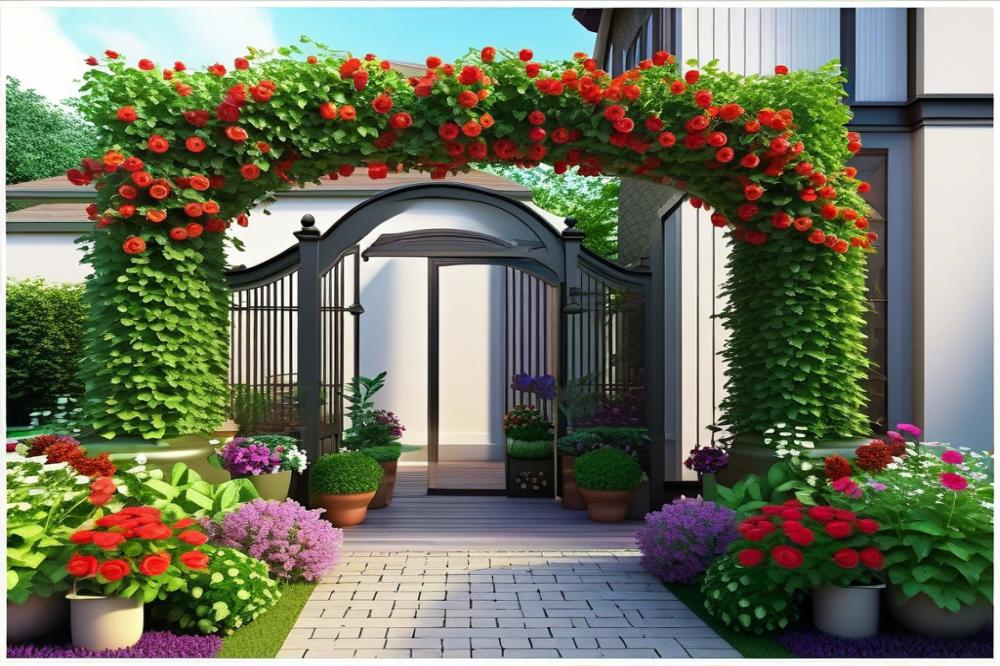
In addition to functionality, archways add elegance to garden design. They can elevate the aesthetic of any landscaping project. When draped with lush vines and colorful blooms, they become beautiful living art. Homeowners often find that these structures draw the eye and create captivating pathways throughout the garden.
Another major benefit of using vertical structures is the ease of harvesting. When plants grow on an archway, reaching fruits and vegetables becomes much simpler. Gardeners may avoid back strain from bending over low plants. This accessibility makes the gardening experience more enjoyable and less labor-intensive.
Moreover, an archway can invite pollinators and beneficial insects. Many gardeners appreciate how these vertical designs create a welcoming environment for nature. This can lead to a more productive garden overall. Simply put, archways serve several vital roles in vegetable gardening.
Best Climbing Plants for Archways
When planning your vegetable gardening adventure, incorporating climbing plants can transform your garden design. Archways offer stunning vertical structures that allow plants to thrive. This method not only saves space but also adds a beautiful element to your backyard. Many vegetables are perfect candidates for climbing.
Tomatoes: Types, Growth Habits, and Archway Support
Among climbing vegetables, tomatoes are a favorite. Various types exist, each with different growth habits. Indeterminate varieties grow tall and continuously produce fruit throughout the season. These types benefit from strong support structures. Using an archway, these tall plants can reach new heights. Properly tying them to the structure keeps them healthy and accessible.
Cucumbers: Training Methods for Optimal Growth
Cucumbers are another excellent choice for vertical gardening. Several training methods exist to guide their growth. Starting them on a trellis ensures they receive plenty of sunlight and airflow. Wrap the long vines around the support as they grow. This method promotes healthier plants and easier harvesting. When cucumbers climb, the risk of rot decreases, which is vital for successful backyard gardening.
Melons: Recommended Varieties and Techniques for Successful Vertical Growth
Melons can also thrive in a vertical setting. Certain varieties are more suitable for climbing than others. Small or bush-type melons are excellent choices. These tend to have lighter fruit that can hang from an archway without breaking branches. Support the melons with slings made from fabric or mesh. This technique prevents damage and helps the fruits develop properly.
Space-Saving Benefits of Using an Archway
Your backyard gardening efforts can be boosted by incorporating an archway into your landscape. These support structures offer a way to maximize the area you have. Instead of spreading plants across the ground, climbing plants like tomatoes, cucumbers, and melons can be trained to grow upward. This simple change can transform a cluttered garden into a more organized space.
For small gardens, efficient use of vertical space becomes crucial. Limited room often requires creative solutions. By using an archway, you can take advantage of unused airspace above the soil. This not only allows for more plants but also reduces the chance of disease since air circulation improves around climbing plants.
Organizing your plant layout is another key benefit of vertical gardening. When placed correctly, an archway can guide how plants grow. Easy access to fruits and vegetables becomes a reality. You won’t have to bend down as much to pick ripe harvests. Instead, you can enjoy a more relaxed garden experience.
A well-designed and strategically placed archway also helps in landscaping. Neighbors and visitors will notice the aesthetic appeal it brings. This design element can contribute to a vibrant atmosphere in your backyard. Overall, taking advantage of vertical gardening with an archway will enhance both practicality and beauty in your outdoor space.
Support Structures: Ensuring Stability and Safety
Building durable archways for your garden involves choosing the right materials. Many gardeners prefer wood because it blends beautifully with nature. Pressure-treated lumber resists rot, while cedar offers natural resistance to insects. Metal frames are another option; they provide a modern look and incredible strength. Whichever material you choose, ensure it can withstand wind and rain. Consider using materials that are sustainable to create an eco-friendly garden design.
Stability is key when it comes to supporting climbing plants, particularly tomatoes, cucumbers, and melons. It’s essential to anchor your structures properly. Use concrete footings for wooden archways or steel stakes for metal frames. This prevents tipping and keeps your plants upright. Tie the plants securely to the archway with soft ties or garden twine. Be careful not to damage the stems while providing support.
Regular maintenance can extend the life of your support structures. Check for signs of wear and tear each season, particularly after heavy storms. Look for cracks in wooden frames or rust on metal ones. Repair or replace compromised sections as needed. Rinsing away debris will keep your structures looking clean and functional. Pests can sometimes be an issue too; inspect your archways for any invading insects. Healthy support structures are vital for thriving climbing plants in your backyard gardening.
Incorporating Archways into Your Garden Design
Ideas for Integrating Archways with Landscaping
Adding a striking archway can enhance your vegetable gardening efforts. These structures work well as support for climbing plants such as tomatoes and cucumbers. Choose materials that fit your overall garden design. Wooden archways blend beautifully with natural surroundings. Metal frames give a modern touch, standing out against greenery. You might also consider planting flowers around the base. Colorful blooms can create a harmonious transition from one area to another.
Creating Pathways and Visual Interest with Archways
Pathways leading through an archway invite exploration. They can also serve as focal points in your backyard gardening space. Imagine walking under arching vines of melons, their fruits hanging playfully. Such pathways guide eyes and feet alike throughout the garden. Creating a sense of movement in your layout adds depth. Landscaping becomes effortless when archways define spaces while also providing functional support structures.
Seasonal Changes and Archway Aesthetics Throughout the Year
Each season brings new life to archways. In spring, new buds and greens rejuvenate the space. Summer’s warmth encourages climbing vegetables to thrive, providing shade underneath. Autumn showcases vibrant foliage, offering a stunning contrast against fading blooms. Even winter can be appealing with evergreen vines. Consider using twinkling lights during the colder months to add warmth. Year-round, archways become not just functional but visually captivating elements of your garden.
Final Thoughts on Your Garden’s Future
Throughout this article, we have explored the numerous benefits of incorporating an archway into your garden. Such structures do more than just look beautiful; they can transform the way you grow your vegetables and fruits. By providing support for climbing plants like tomatoes, cucumbers, and melons, you can maximize your space and boost your harvest.
Vertical gardening techniques are not only efficient but also environmentally friendly. They allow for better air circulation while reducing the risk of disease. Such approaches can increase sunlight exposure for your crops, leading to healthier plants and abundant yields.
Think about how easy it is to access your produce when it hangs within reach. This also minimizes ground pests, giving your garden a fighting chance against unwanted invaders. Consider how much more enjoyable harvesting can be when your fruit and vegetables are clearly visible and easy to pick.
As you plan your garden layout, remember that adding an archway can enhance aesthetic appeal while simultaneously improving productivity. The beauty of these structures also means they can serve as focal points, drawing attention to your gardening efforts.
In summary, integrating an archway can significantly enhance your vegetable gardening experience. It leads to higher yields and offers a unique way to savor your harvests. Now is the perfect time to embrace these ideas and elevate your gardening game.