Understanding benefits-of-adding-sorrel-to-your-herb-collection”>companion planting and the Role of herbs
benefits-of-adding-sorrel-to-your-herb-collection”>companion planting serves as an effective strategy for enhancing the productivity of vegetable gardens. By placing certain plants in close proximity, gardeners can promote growth and protect crops from pests. This technique focuses on natural relationships between plants, which can lead to healthier and more bountiful harvests.
herbs play a vital role in this planting strategy. Their aromatic qualities not only add flavor to meals, but they can also deter unwanted insects that threaten vegetables. For example, basil keeps pests away from tomatoes, improving overall yields. Beyond pest control, certain herbs enhance the growth of nearby plants. Their unique abilities to attract beneficial insects and pollinators create a thriving garden environment.
Additionally, planting herbs alongside vegetables can contribute to improved soil health. Certain herbs boost nutrient levels and can even fix nitrogen in the soil, further supporting vegetable growth. Promoting biodiversity is another benefit of incorporating these plants. A diverse garden can resist disease and pests more effectively than a monoculture.
When considering planting strategies, enthusiastic gardeners often focus on herb pairings that maximize these benefits. Understanding which herbs work well with specific vegetables unlocks the potential for a flourishing garden. For instance, combining parsley with carrots not only improves flavor but also enhances growth rates. Embracing organic gardening practices through companion planting encourages a more sustainable approach to food production.
In conclusion, integrating herbs into vegetable gardens not only fosters pest control and growth enhancement but also nurtures the overall ecosystem. Embracing these practices can lead to a more productive, healthy, and diverse garden that reflects the beauty of nature.
Understanding Companion Planting

Companion planting refers to the strategic arrangement of different plants in proximity for mutual benefits. This method utilizes the natural relationships between various species to improve growth, deter pests, and promote soil health. Farmers and gardeners have been implementing these practices for centuries, relying on observations from their own experiences or those passed down through generations.
Traditionally, cultures around the world have recognized the importance of plant partnerships. Native American tribes, for example, cultivated the “Three Sisters” method, combining corn, beans, and squash. Each plant contributes to the others’ growth. Historically, such arrangements were crucial for efficient farming and sustainability in diverse ecosystems.
Biodiversity is vital in any garden, especially a vegetable garden. A variety of plants supports a balanced environment, which strengthens the resilience of crops against pests and diseases. When different species coexist, they create a richer ecosystem and can attract beneficial insects that aid in pest control.
Organic gardening principles align perfectly with these planting strategies. Avoiding synthetic fertilizers and pesticides promotes a healthier growing space. By maintaining a diverse garden, gardeners naturally enhance their soil’s fertility and structure. Aromatic herbs, when paired correctly, often repel harmful insects while inviting helpful ones.
Successful herb pairings can greatly influence the productivity of your plants. Basil, for instance, is known to improve the flavor of tomatoes while keeping certain pests at bay. Similarly, planting cilantro near leafy greens can repel aphids. Such relationships illustrate the practical advantages of understanding plant interactions in your own gardening efforts.
Benefits of Using Herbs in Companion Planting
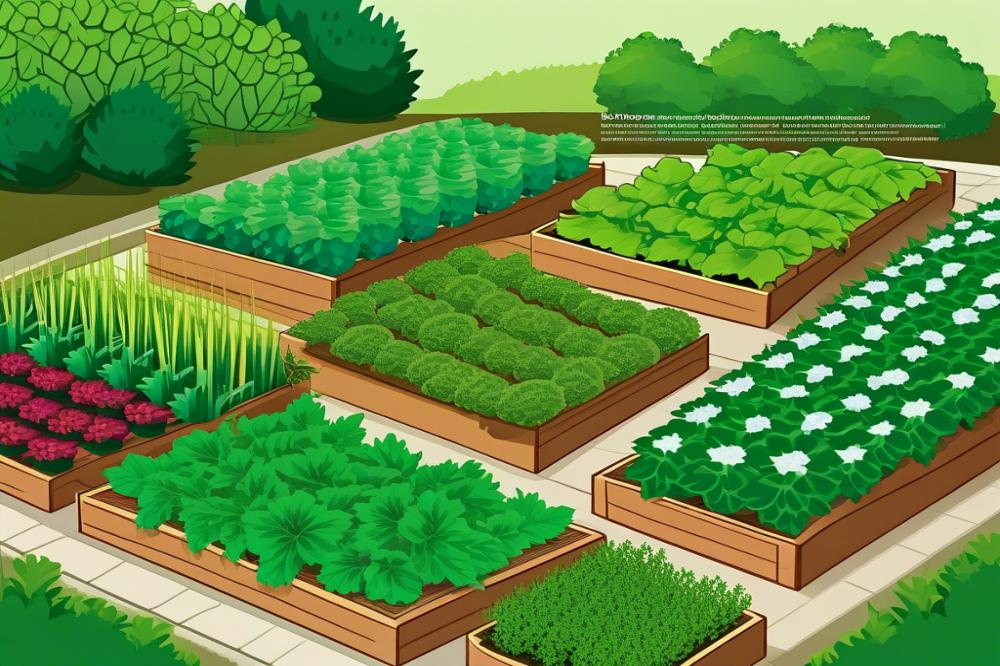
Using herbs in your vegetable garden offers several benefits. One of the primary advantages is pest control. Many aromatic herbs, such as basil and mint, naturally repel unwanted insects. They can protect your crops by masking their scents or emitting oils that deter pests. Beneficial insects, like ladybugs and lacewings, are attracted to certain herb pairings. This creates a balanced ecosystem that supports crop health.
Growth enhancement is another key benefit. Certain herbs can stimulate faster growth in neighboring plants. For example, basil can enhance the flavor of tomatoes while helping them grow more robustly. The presence of herbs often leads to greater resilience against diseases and environmental stressors. When strategically placed, these plants contribute positively to the overall health of your garden.
Soil Health
Herbs also play a significant role in maintaining soil health. As they grow, these plants contribute to nutrient cycling. Their root systems can improve soil structure, allowing for better water retention and aeration. Fewer chemical inputs are needed when employing organic gardening techniques, leading to richer soil over time. This natural approach creates a thriving environment for all garden inhabitants.
Biodiversity
Incorporating herbs into your planting strategies enhances biodiversity. An array of plants helps attract pollinators, essential for fruit and seed production. Insects like bees, drawn to flowering herbs, perform crucial roles in cross-pollination. The resulting variety encourages a balanced habitat, allowing beneficial organisms to flourish. This diversity not only supports individual plants but creates a more resilient garden overall.
Effective Planting Strategies with Herbs
Planning the Vegetable Garden Layout with Herbs
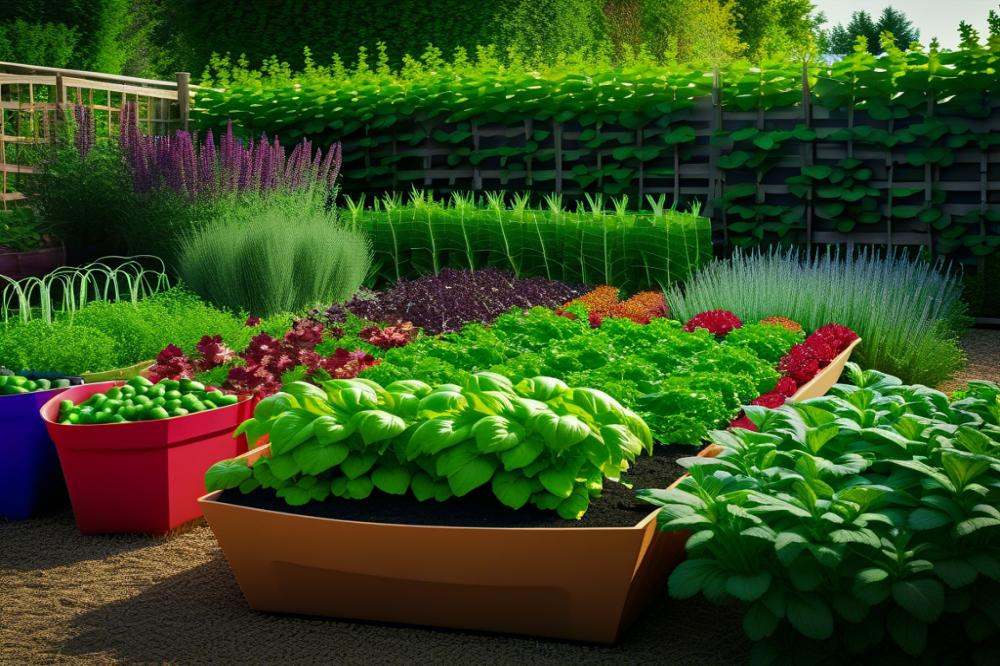
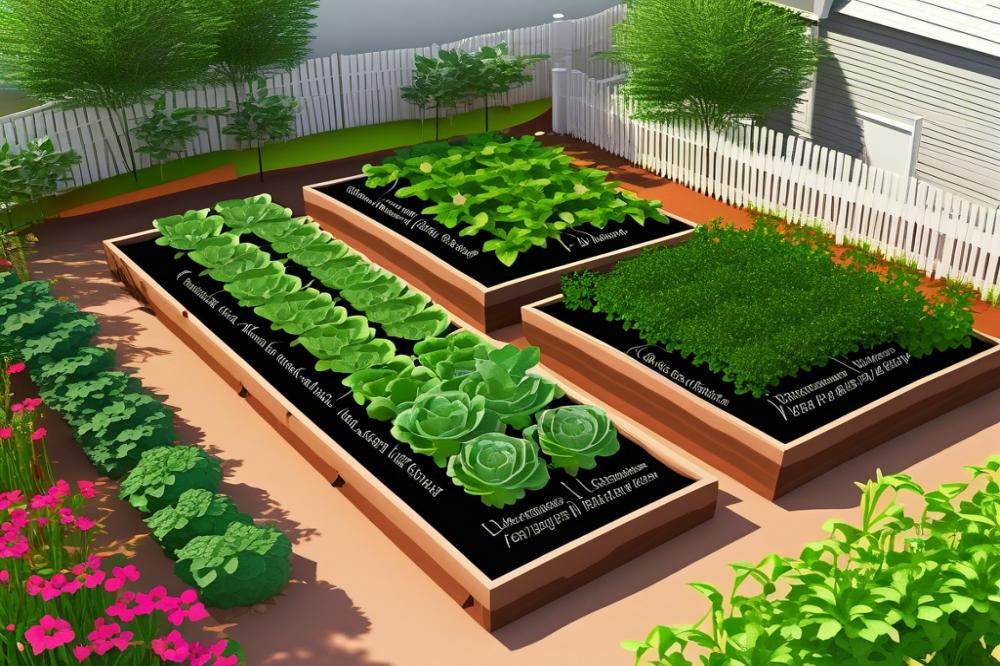
When designing your vegetable garden, consider placing herbs strategically throughout the space. Herbs can be used as borders or interspersed among larger plants. This approach maximizes growth enhancement while promoting biodiversity. Aromatic herbs like basil and rosemary can repel pests, protecting your more vulnerable vegetables. Additionally, a well-planned layout can improve overall soil health, as different plants contribute various nutrients.
Timing: When and How to Introduce Herbs into the Garden
Timing plays a crucial role in successfully using herbs within your garden. Start by planting early in the season when temperatures are still mild. This allows herbs to establish their root systems alongside vegetables. Observe local frost dates to avoid damage during unexpected cold snaps. As the season progresses, introduce heat-loving herbs like oregano or thyme for summer. Planting at the right time helps ensure both vegetables and herbs thrive.
Techniques for Interplanting Herbs with Vegetables
Interplanting techniques can be highly effective for creating a thriving vegetable garden. Herbs can be nestled between rows of vegetables like tomatoes or peppers. This not only enhances flavor but also improves pest control. For example, the presence of marigolds can deter nematodes and other harmful insects. Also, consider planting herbs that require similar sunlight and moisture levels to ensure optimal growing conditions.
Companion Planting Charts and Resources for Herb Pairings
Utilizing companion planting charts can provide valuable insights into effective herb pairings. These resources can help you understand which herbs complement specific vegetables. Easy-to-read charts may show common pairings like cilantro with beans or dill with cabbage. Online communities and gardening books can offer additional strategies and advice for those interested in organic gardening. Exploring these resources is a worthwhile investment for any passionate gardener.
Popular Herb Pairings for Companion Planting

Many gardeners utilize common herbs in their vegetable gardens. These plants not only add flavor but also offer various advantages to their companions. Aromatic herbs, in particular, can enhance growth and promote soil health while diversifying plant life.
Basil and Tomatoes
This pairing is one of the most famous in home gardening. Basil helps repel insects that might harm tomatoes. Furthermore, it can improve the flavor of the tomato itself. Growing these together creates a harmonious environment where both can thrive.
Mint and Cabbage
Mint has a strong scent that deters pests such as aphids and cabbage moths. Cabbage, which is prone to such insects, benefits immensely from mint’s presence. However, it is essential to control mint’s growth, as it can become invasive.
Parsley and Asparagus
Parsley may enhance the growth of asparagus. This herb attracts beneficial insects, which can help with pest control. When planted nearby, it creates a beneficial ecosystem that supports both plants.
Chives and Carrots
The sharp smell of chives can act as a deterrent against carrot flies. Carrots benefit by thriving in a sheltered environment. This duo showcases how thoughtful planting strategies promote biodiversity while enhancing growth.
Rosemary and Sage
These two herbs work well together, promoting healthy growth in vegetables like beans and cabbage. Rosemary can repel cabbage moths and other pests. In return, sage contributes essential nutrients to the soil, making it more productive.
Culinary Herbs with Gardening Benefits
Many culinary herbs serve a dual purpose in the garden. For example, thyme is not just great for seasoning food; it also attracts pollinators. Similarly, oregano encourages soil health and supports a thriving garden ecosystem.
Effective herb pairings like these can transform a vegetable garden. Each combination unlocks a new set of benefits, adding value to the planting process. Organic gardening enthusiasts often include these strategies to create a more sustainable and productive environment.
Tips for Maximizing Benefits of Herbs in the Garden
Proper Care and Maintenance of Herbs for Optimal Growth
Herbs need special attention to thrive. Watering is crucial, but overwatering can be harmful. Be mindful of soil drainage. Utilize organic compost to enrich the soil and improve its health. Regular pruning encourages bushier growth and prevents flowering too soon. A well-maintained plant will yield more aromatic herbs, enhancing your vegetable garden’s overall productivity.
Seasonal Considerations for growing herbs in Companion Planting
Timing is everything when it comes to herbs. Some types flourish in the spring while others prefer the warmth of summer. Monitor temperatures, as many herbs need a specific range for growth enhancement. In colder months, consider planting herbs that survive frost. Alternating seasonal crops can also promote biodiversity, creating a balanced ecosystem in your garden.
Organic Gardening Tips for Herb Cultivation
Organic practices can greatly benefit herb growth. Avoid synthetic fertilizers; instead, focus on natural amendments. Crop rotation helps prevent soil depletion and pest issues. Additionally, the right herb pairings can deter unwanted insects. For instance, basil can protect tomatoes from pests while adding flavor. Always choose seeds and plants that are organic to maintain a healthy growing environment.
Final Thoughts on Using Herbs in Your Garden
Integrating herbs into your planting strategies brings numerous benefits. They can deter pests, attract beneficial insects, and even enhance the flavor of your vegetables. Many gardeners have discovered that herbs like basil and marigold not only thrive alongside crops but also add beauty to the garden. This natural synergy can lead to healthier plants and higher yields. That’s something every gardener craves.
Don’t hesitate to experiment with different herb pairings. You might be surprised by what combinations work best in your specific environment. Keep an open mind, and observe how your plants interact. It’s a bit of a trial-and-error process, but that makes gardening even more rewarding.
Think of your vegetable garden as a living, breathing space. By integrating herbs, you create a more diverse ecosystem. This approach goes beyond aesthetics; it fosters resilience in your plants. Remember, successful gardening often requires creativity and a little patience. Embrace the challenge and enjoy the process of discovery.