The Role of Fennel in Supporting Pollinators and soil health
In the realm of gardening and herb cultivation, certain plants stand out for their multiple benefits. One such plant is Fennel, known for its aromatic qualities and culinary uses. Its importance extends far beyond the kitchen, touching on vital aspects of ecosystem health. With increasing awareness around sustainable agriculture, gardeners and farmers alike are recognizing how this herb can make a significant impact.
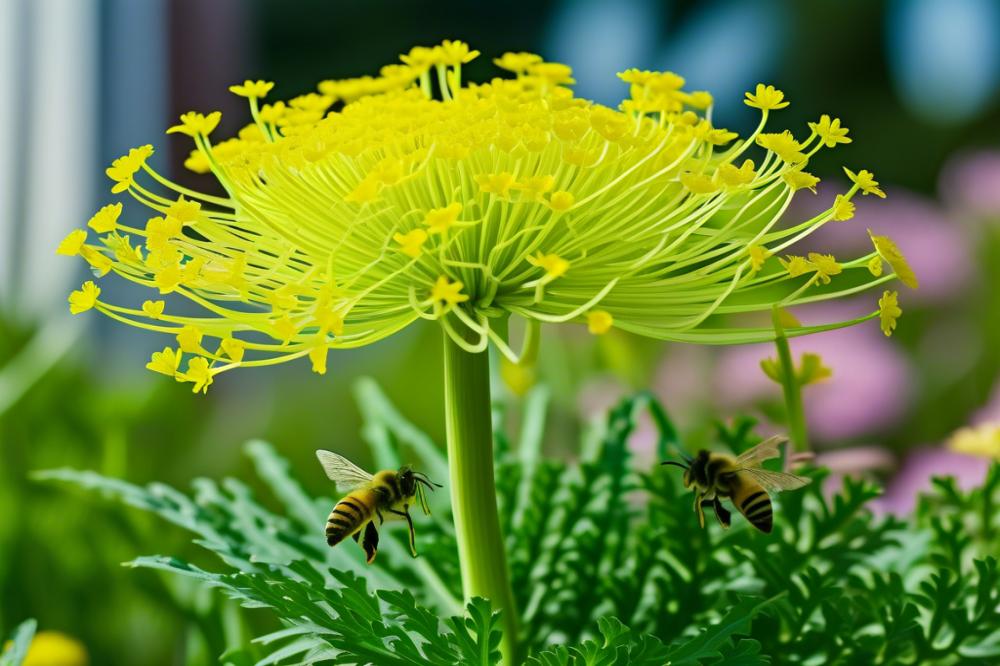
Fennel plays a dual role in nurturing both pollinator support and soil health. By attracting bees, butterflies, and other beneficial insects, it helps create a thriving environment for flora throughout the garden. Pollinators contribute crucially to crop production, underscoring the interconnectedness of plant life and wildlife. Increasing biodiversity promotes healthier ecosystems, which is essential for maintaining balance in nature.
Companion planting is another facet where this herb shines. When mixed with other crops, it can help ward off pests and improve growth rates. Additionally, fennel’s roots contribute to soil health by breaking compacted layers and allowing vital nutrients to penetrate deeper. This not only strengthens the surrounding plants but also enhances the soil structure itself.
As more gardeners strive to employ sustainable practices, the role of herbs in natural gardening has gained traction. Essential oils released by fennel can also inhibit the growth of harmful bacteria and fungi. These properties make it a valuable addition to any garden, promoting overall health while being easy to grow. Embracing this herb places gardeners on a path toward not just a beautiful landscape but a flourishing ecosystem that benefits all forms of life.
The Importance of Fennel in Supporting Pollinators
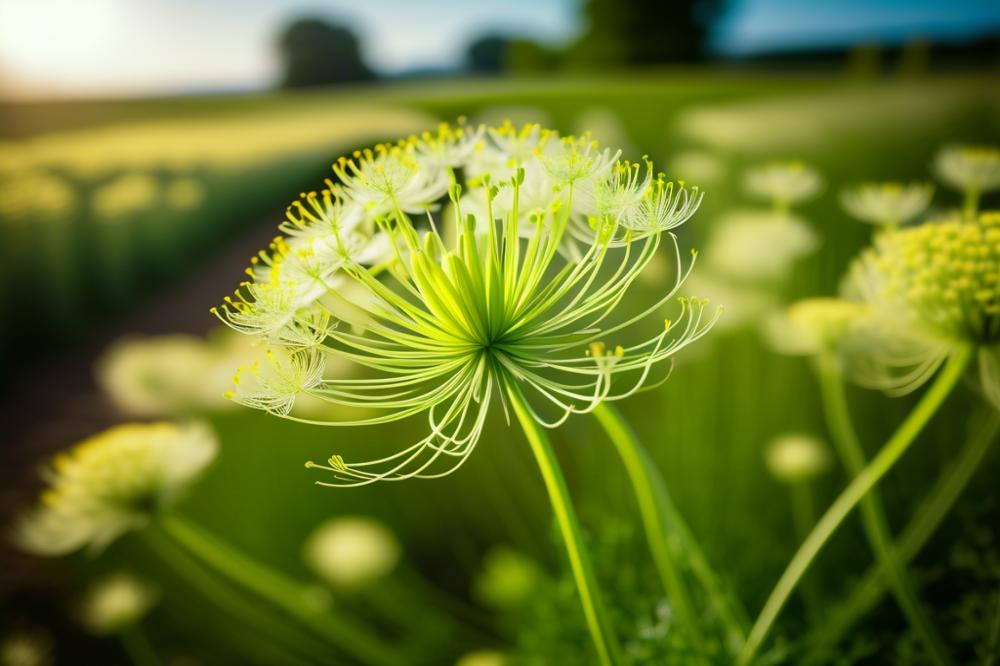
Pollinators are crucial for thriving ecosystems. Fennel plays a significant role in attracting these beneficial insects, including bees and butterflies. Its tall, feathery stalks and bright yellow flowers are eye-catching, making it a favorite among garden visitors.
The flowering patterns of fennel contribute to its appeal. Blooms usually appear in the summer, providing a reliable source of nectar and pollen during this critical period. Pollinators feed on the flowers, gathering food that supports their life cycles. This relationship helps maintain their populations, which are vital for biodiversity.
Healthy ecosystems rely on the presence of a diverse range of pollinators. They assist with the fertilization of many plants, leading to increased fruit and seed production. By planting herbs like fennel, gardeners can create an inviting environment that supports these essential species. Companion planting with fennel encourages a habitat rich in life.
Additionally, the connection between pollinator support and soil health cannot be overstated. When these insects thrive, they contribute to the overall robustness of agricultural systems. Many plants flourish due to effective pollination, and consequently, this enhances soil health, creating a cycle of prosperity.
Fennel also offers numerous benefits in sustainable agriculture. Its essential oils can naturally repel certain pests. This trait decreases the need for chemical pesticides and promotes a balanced ecosystem. As gardeners incorporate these practices, they contribute to a healthier world for pollinators and plants alike.
Encouraging pollinators through gardening is not just beneficial—it is necessary. By integrating plants like fennel into landscapes, individuals can support important connections within nature. This practice helps foster a flourishing environment that benefits everyone.
Fennel and Soil Health
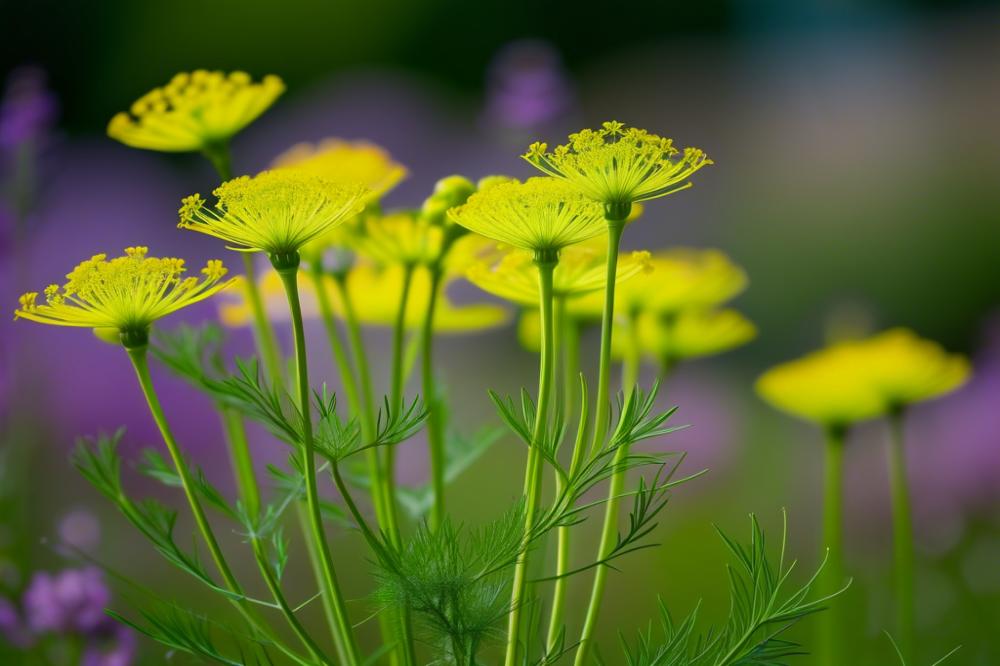
Soil health is vital for growing plants and supporting ecosystems. A robust root system plays a key role in maintaining soil structure. By penetrating deep into the earth, fennel helps aerate the ground. This gives space for air and water to reach deeper soil layers, promoting healthier plant growth.
Improved soil structure leads to better water retention. Moist soil supports diverse life forms below the surface. When fennel is planted, it can enhance nutrient retention. This creates a more fertile environment for other plants. This process aids in companion planting, where different plants help each other thrive. As a result, gardens flourish with a mix of herbs and flowers. This is important for overall ecosystem health.
Biodiversity in the soil microbiome is equally significant. Healthy soil teems with microorganisms that keep systems in balance. These tiny creatures break down organic materials, releasing nutrients. They also help prevent diseases, which is essential for sustainable agriculture. The role of essential oils from fennel can attract beneficial insects. This means more pollinator support and enhanced plant health.
When soil is healthy, it benefits the entire environment. Gardens become vibrant ecosystems where wildlife can thrive. This harmony encourages the growth of various species. Strong soil fosters resilience against environmental stresses. When plants and soil work together, they support sustainable practices. Together, they can combat climate change and pollution. Overall, embracing diverse planting strategies leads to more robust garden systems. Planting herbs like fennel is one way to enrich soil content and promote healthier ecosystems.
Companion Planting with Fennel
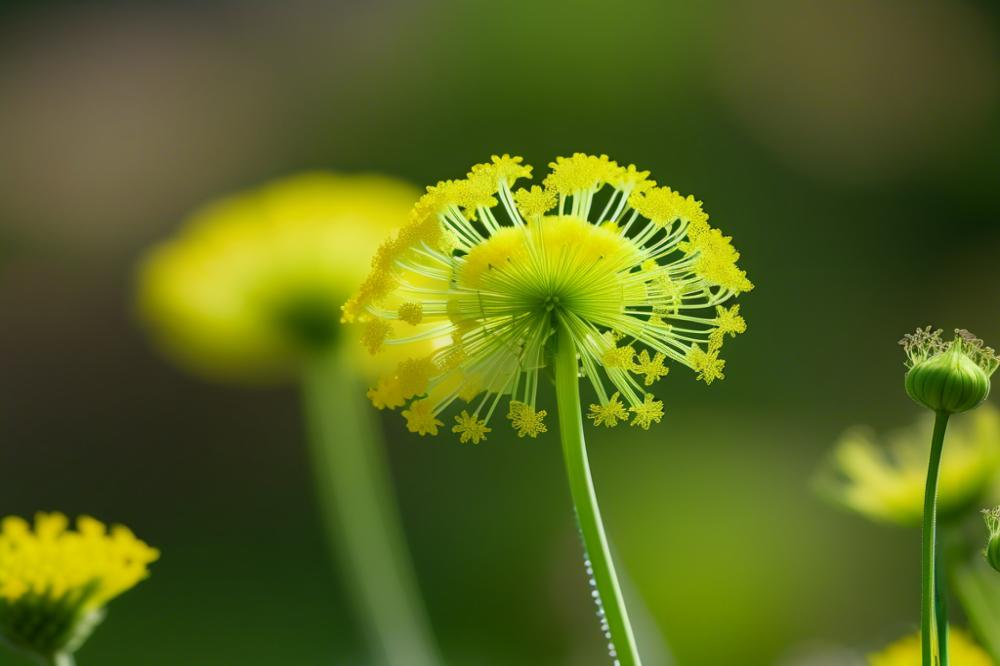
Companion planting is a method used in gardening that involves growing certain plants close together. This strategy can create a more diverse ecosystem. Biodiversity is crucial for maintaining healthy gardens and supports various forms of life, including important pollinators.
Fennel is recognized for its potential benefits in companion planting. This herb produces essential oils that can deter some pests while attracting others that support healthy pollination. However, it is important to note that fennel does not pair well with all plants. For example, it is known to hinder the growth of beans and tomatoes. On the other hand, certain herbs and vegetables thrive when grown nearby. Herbs like basil and dill can benefit from the presence of fennel, as they may see improved growth.
Soil health can also improve through this planting method. Integrating a variety of plants helps to enrich the soil. Decomposing plant matter from diverse species returns nutrients to the ground. Healthy soil produces better yields and supports thriving ecosystems.
In terms of natural pest control, companion planting provides unique advantages. By mixing different plants, gardeners can create habitats for beneficial insects. These insects can help keep harmful pests in check. growing herbs alongside vegetables can attract predatory insects that feed on pests, reducing the need for chemical pesticides.
Sustainable agriculture benefits greatly from practices like companion planting. It promotes a more harmonious relationship between plants and the environment. By utilizing the natural companions found in your garden, you can help support pollinator populations. This leads to improved crop yields and biological diversity.
Consider adjusting your garden layout to maximize these benefits. Pay attention to which plants work well together. By doing so, you create a thriving ecosystem within your own backyard.
The Role of Essential Oils in Fennel
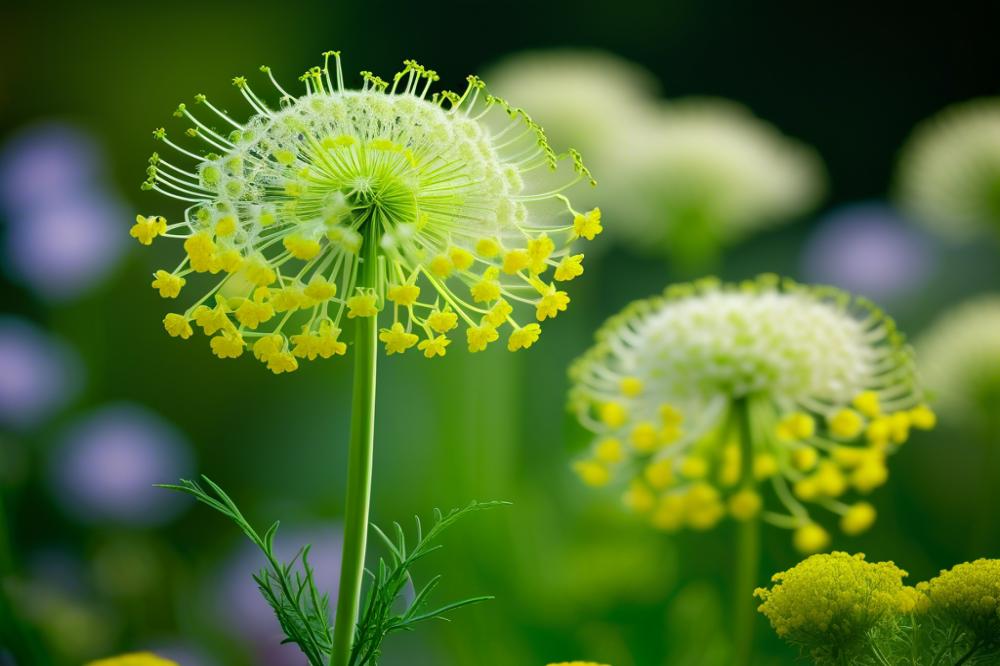
The essential oils produced by fennel are remarkable and serve many purposes in gardening. These oils have a distinctive aroma that many find pleasant. However, their benefits extend beyond mere fragrance. They play a significant role in supporting biodiversity and ecosystem health. The oils can attract beneficial insects and repel harmful pests, creating a more balanced ecosystem for all creatures.
One of the key advantages of essential oils is their natural pest-repellent properties. When applied, they can deter common garden pests like aphids and spider mites. These oils work without harsh chemicals, making them suitable for sustainable agriculture practices. By using these natural substances, gardeners can protect their plants while minimizing harm to the environment.
In addition to repelling nuisances, fennel’s essential oils attract beneficial pollinators such as bees and butterflies. These insects are vital for plant reproduction. Their presence helps increase the yield of fruits and vegetables in the garden. Companion planting with herbs like fennel can further enhance pollinator support. Plants growing together can create an environment rich in nutrients, leading to improved soil health.
Soil health is crucial in gardening, and the essential oils aid in this aspect as well. They can enhance microbial activity, which benefits the overall quality of the soil. Healthy soil supports a diverse range of plants. This diversity contributes to stronger ecosystems. Thus, planting fennel next to other crops can result in richer, more productive garden beds.
Overall, incorporating fennel into garden spaces yields many benefits. From attracting the right pollinators to enriching soil quality, these essential oils serve as a critical component in promoting a vibrant and balanced environment. Their role in sustainable practices cannot be overstated. Gardeners should consider these oils as a valuable asset in their quest for healthier plants and more fruitful harvests.
Maximizing Fennel Benefits in the Garden
Integrating this herb into your garden can yield numerous advantages. Start by selecting a location that receives full sun. Fennel thrives in well-drained soil rich in organic matter. Prioritize soil health by tilling the ground before planting. Adding compost or aged manure can further enhance soil quality.
This herb prefers a pH between 6.0 and 7.0. Test your soil beforehand to make necessary adjustments. Water regularly but avoid overwatering, as fennel doesn’t like soggy roots. When planting, space seeds or seedlings about 12 to 18 inches apart, allowing room for growth.
Consider companion planting to boost biodiversity. Fennel pairs well with a variety of plants, but be cautious around certain crops. For instance, it can hinder the growth of beans or tomatoes. Instead, plant it alongside herbs like basil or dill to enhance flavors while supporting pollinator activity.
Throughout the growing season, maintain healthy plants by monitoring for pests. Encourage natural predators by providing habitats around your garden. Care for your plants by pruning the flower stalks. This practice can promote bushier growth and encourage the production of essential oils. These oils can attract beneficial insects and pollinators.
Incorporate these aromatic herbs into your culinary garden. Not only do they enhance flavor, but they will also support ecosystem health. Keeping a diverse planting scheme promotes sustainability. This practice is vital in sustainable agriculture, as it reduces reliance on chemical fertilizers and pesticides.
Don’t forget to allow some plants to flower. This provides food for pollinators and seeds for wildlife. A thriving insect population contributes significantly to your garden’s health. Ultimately, planning for this herb in your layout can yield an impressive return. Consider adding it to your herb gardening plans for a unique experience. Rich flavors, improved soil, and vibrant activity from pollinators await those who choose to engage with this wonderful plant.
Final Thoughts
The multifaceted benefits of incorporating fennel into gardening practices cannot be overstated. This herb not only attracts a wide variety of pollinators, which play a vital role in the ecosystem, but it also contributes positively to soil health. By planting this aromatic herb, gardeners can create a welcoming environment for bees, butterflies, and other beneficial insects.
Supporting biodiversity should be a primary goal for anyone interested in sustainable agriculture. Pollinators thrive on the nectar and pollen provided by plants such as fennel, leading to a healthier ecosystem. A flourishing garden filled with diverse plant life leads to more robust and resilient agricultural practices.
Encouragement to grow this herb in your garden is more than just a suggestion; it is an invitation to make a difference. By doing so, you can contribute to the health of the environment while enjoying the culinary delights that fennel brings to your kitchen. The ecological advantages of adding this herb to your planting strategy are significant. Not only do you provide food for pollinators, but you also enrich your soil, creating a symbiotic relationship crucial for the future of sustainable gardening. Explore the benefits today and witness the transformation in both your garden and the surrounding ecosystem.